








Quick Answers
Proper roof ventilation extends a roof’s lifespan by regulating attic temperature and moisture. Without it, trapped heat bakes roofing materials from the inside, while trapped moisture rots the wooden decking below. A balanced ventilation system ensures structural integrity, prevents mold growth, and significantly lowers indoor cooling costs.
Most homeowners think about their roof only when water drips through the ceiling. We hear this a lot: “The shingles are only ten years old, why are they failing?” The answer is almost always trapped air.
When your attic cannot breathe, your home’s first line of defense breaks down. Heat and humidity build up inside the house, creating a pressure cooker effect that destroys roofing materials long before their warranty expires. You are not just losing a few shingles. You are slowly degrading the structural integrity of your entire home.
We have spent over 35 years diagnosing premature roof failures. The data is clear. A roof is not just a static lid placed on top of a house. It is an active system that requires intake and exhaust to function properly. Understanding how this airflow works is the single most important factor in maximizing your investment.
Why does climate dictate your roof’s ventilation needs?
Climate determines exactly how much stress your roof endures on a daily basis. In areas with high humidity and intense sun, ventilation is not an optional upgrade. It is a structural necessity.
Take Odessa, Florida, as a practical example. Located just off the Gulf Coast, Odessa experiences a brutal combination of relentless solar heat and heavy ambient humidity. During a typical Florida summer, an unventilated attic in Odessa can easily reach temperatures exceeding 150 degrees Fahrenheit. That trapped heat has nowhere to go but into the living space below and back up into the roof deck.
We use Odessa as a case study because it perfectly illustrates the compounding nature of climate damage. When the outside air is thick with moisture, the natural airflow required to dry out an attic becomes sluggish. If a home lacks a balanced system of soffit intake vents and ridge exhaust vents, the humid air stagnates. At that point, the environment inside the attic becomes highly destructive to the materials sitting right above it.
How do humid climates affect different roofing materials?
Different roofing materials react to trapped heat and moisture in distinct ways. Understanding these differences helps dictate the type of ventilation system your home requires.

How do humid climates affect different roofing materials?
Asphalt shingles
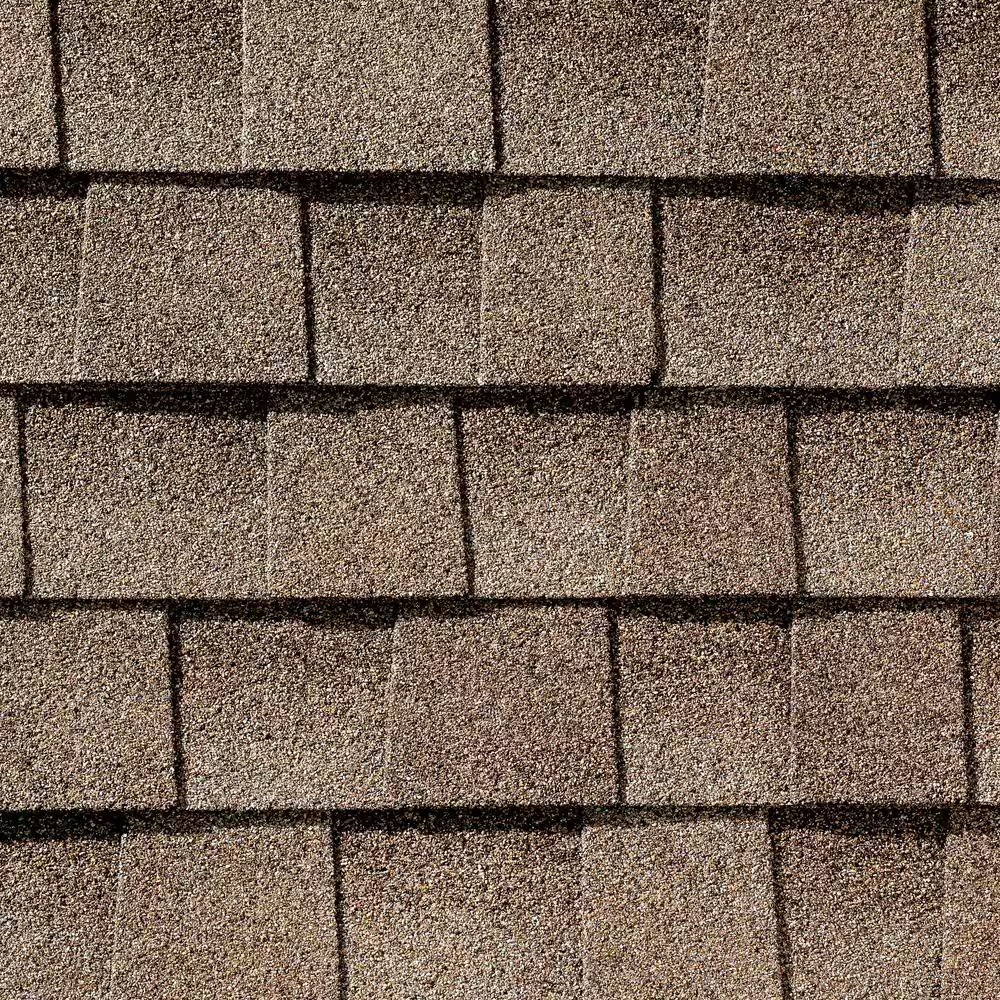
Asphalt shingles are highly vulnerable to poor ventilation. When attic temperatures soar, the intense heat bakes the shingles from the underside. This causes the asphalt to blister, curl, and prematurely shed its protective granules. According to most manufacturers, inadequate ventilation instantly voids the warranty on asphalt shingles. You could buy a 30-year shingle, but without airflow, it will fail in half that time.
Metal roofing
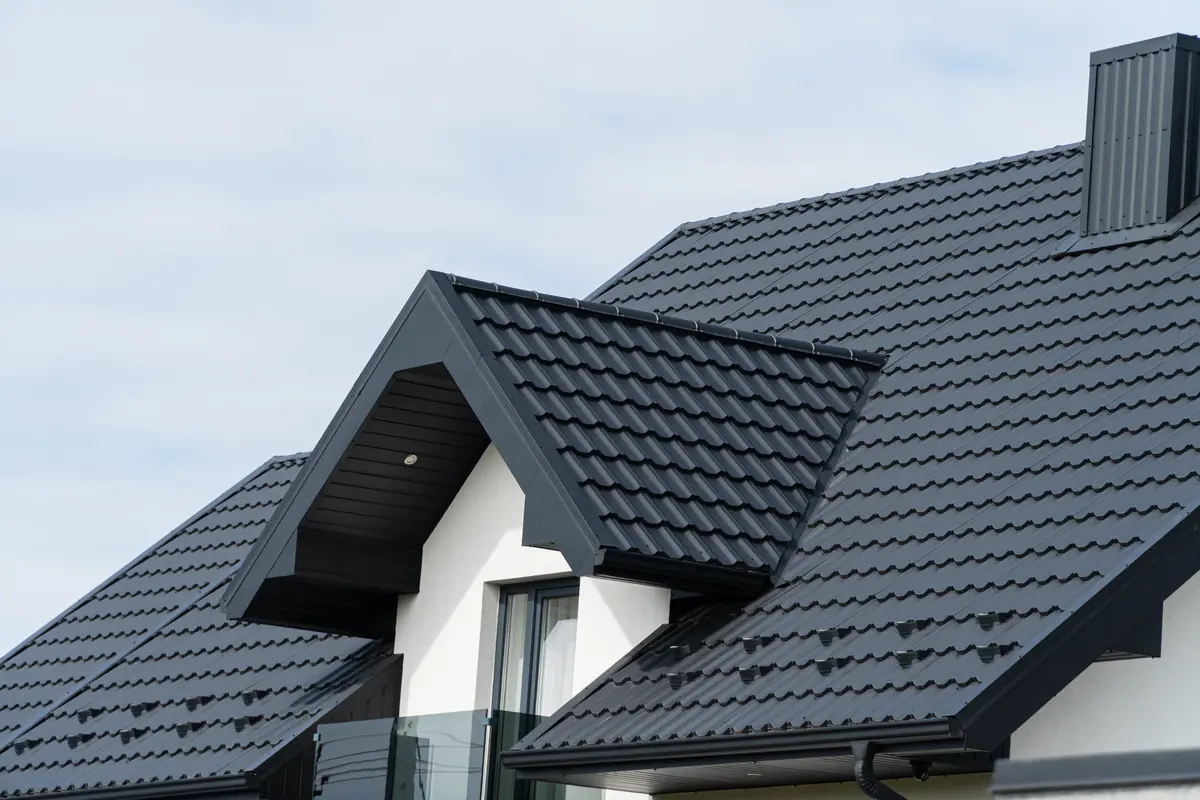
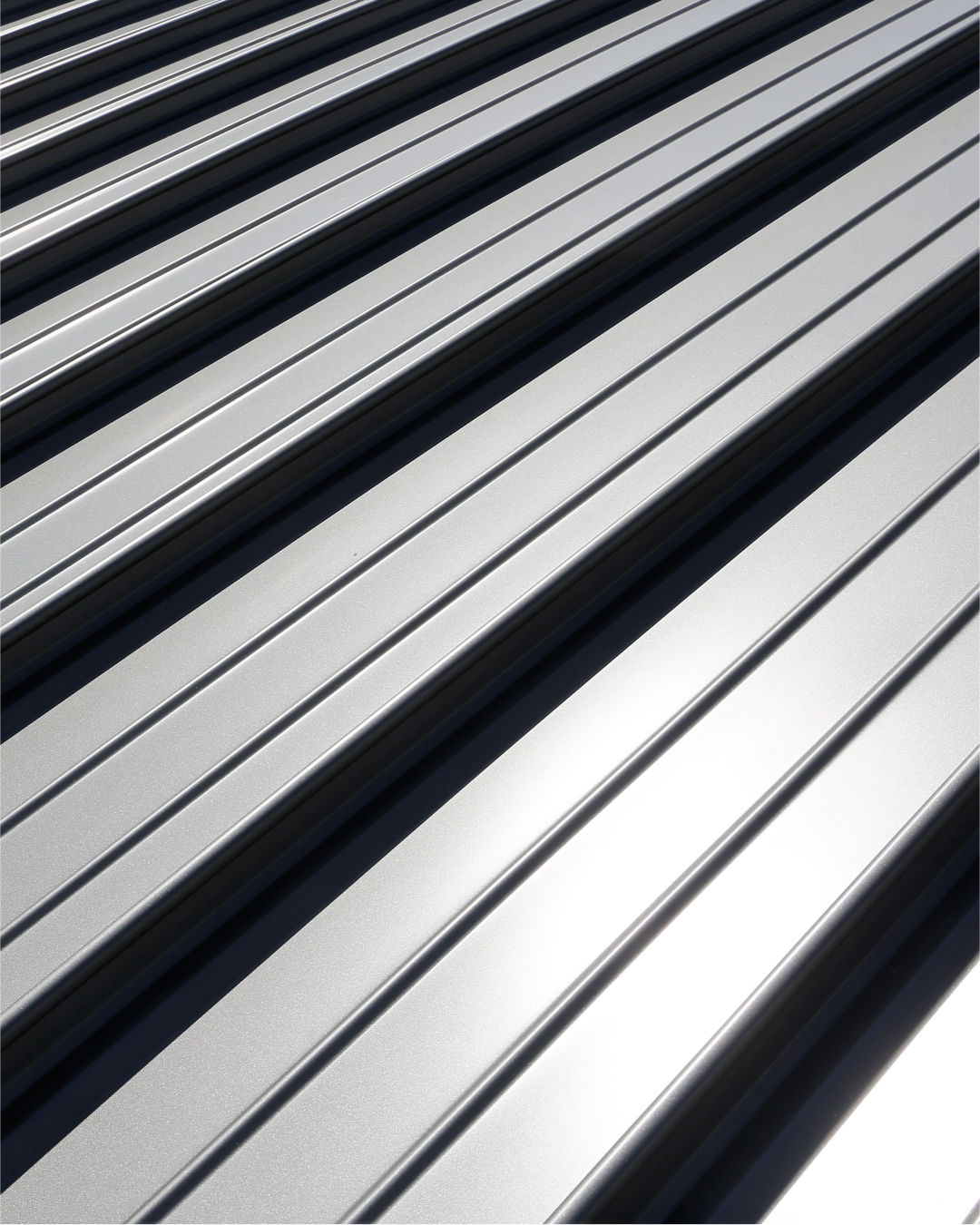
Metal roofs handle surface heat much better than asphalt, but they are not immune to ventilation issues. While the metal panels will not blister, the wooden decking underneath remains at risk. In high-humidity environments, warm air rises and hits the cooler underside of the metal panels, causing condensation. Without proper ventilation to sweep that moisture away, the water drips back onto the wood decking and insulation. Over time, this causes the wood to rot. Strong, sleek, and energy-efficient metal roofs are engineered to withstand harsh weather, but they still require a breathing attic to protect the structure beneath them.
What are the key benefits of proper roof ventilation?
A properly ventilated roof solves multiple problems at once. It protects your structural investment while directly impacting your monthly household expenses.
Preventing moisture and mold
Proper airflow stops condensation from forming inside the attic. When warm, moist air from your bathrooms and kitchen rises, it needs a clear exit path. If it gets trapped, it settles on the wooden trusses and decking. This creates the perfect breeding ground for toxic mold and wood rot. By maintaining a constant flow of fresh air, you keep the wood dry and preserve the load-bearing integrity of your roof.

Reducing Household Energy Costs Year-Round
Ventilation acts as a natural cooling system for your home. When we recently completed a roof replacement on a standard single-family home in Odessa, we found the previous system had entirely blocked soffit vents. The homeowner’s HVAC system was running constantly just to fight the heat radiating down from the ceiling. By installing a balanced ridge and soffit ventilation system, the attic temperature dropped by 30 degrees. The homeowner saw a noticeable decrease in their monthly energy bills immediately following the installation.
Signs Your Roof Needs Better Ventilation
You do not need to be a roofing contractor to spot the warning signs of trapped air. The symptoms usually manifest in clear, observable ways both inside and outside the house.
Internal warning signs:
- Moldy smells: A musty odor in the upper levels of your home indicates trapped moisture.
- Oppressive attic heat: If your attic feels like an oven on a mild day, the exhaust vents are failing.
- Water stains and rust: Look at the nail heads protruding through the roof deck. If they are rusted, you have a condensation problem.
External Warning Signs
- Wavy or curling shingles: When shingles look warped or buckled, they have been cooked by trapped attic heat.
- Spongy roof decking: If the roof feels soft when walked on, the plywood underneath has likely rotted from moisture buildup.
- Ice dams (in colder climates): While not an issue in Florida, poor ventilation causes uneven snow melt, leading to destructive ice buildup on the eaves.

Recommended Types of Roof Vents for Florida Homes
Choosing the right roof vents is crucial for proper ventilation in Florida’s humid climate. Ridge vents, installed at the roof peak, let hot air escape and draw in fresh air through soffit vents, preventing heat buildup, moisture damage, and mold. Gable and turbine vents also enhance airflow; gable vents move air across the attic, while turbine vents use wind to pull out moist air. Attic fans can further boost ventilation, protecting roofing materials and extending your roof’s lifespan. Combining these vent types improves energy efficiency and indoor air quality.
Why is professional installation required for ventilation?
Slapping a few vents on a roof does not solve a ventilation problem. In fact, installing the wrong mix of vents can actually disrupt natural airflow.
Effective ventilation requires a precise mathematical balance between intake (air entering at the eaves) and exhaust (air leaving at the peak). If you have more exhaust than intake, the roof will pull air from your air-conditioned living space. If you have too much intake and no exhaust, the air simply pressurizes the attic.
At Trust Roofing, we calculate the exact net free area (NFA) required for your specific attic square footage. We do not guess. Knowing exactly where to place vents and how to clear blocked intake baffles is not about selling you something. It is about math and honesty. We ensure the system breathes exactly as the manufacturer intended.
Protecting your home’s first line of defense
If you are calling for a patch every time you notice a curled shingle or a damp spot on the ceiling, you are not solving the problem. You are funding it.
A new roof is not just a construction project. It is returning your home’s first line of defense to full strength. That starts with ensuring the environment underneath the shingles is fundamentally sound. With over 1,300 reviews and a 5-star average rating, our customers know that we build systems designed to last. Our in-house crews bring 35 years of hands-on experience to every job, backed by our 10-year workmanship warranty. We require zero deposits on jobs under $30k, because doing the right thing is just how we operate.
If you suspect your roof is failing prematurely due to trapped heat, get a professional inspection. Give us a call today to secure your home.

Read our blog: The Truth About Asphalt Shingle Lifespan