






Most homeowners think of their roof as protection from rain, wind, and severe weather. While that’s certainly its primary job, your roofing system also plays an important role in your home’s overall energy efficiency. The materials on your roof, the condition of your attic ventilation, and the quality of the installation all influence how hard your HVAC system has to work to keep your home comfortable.
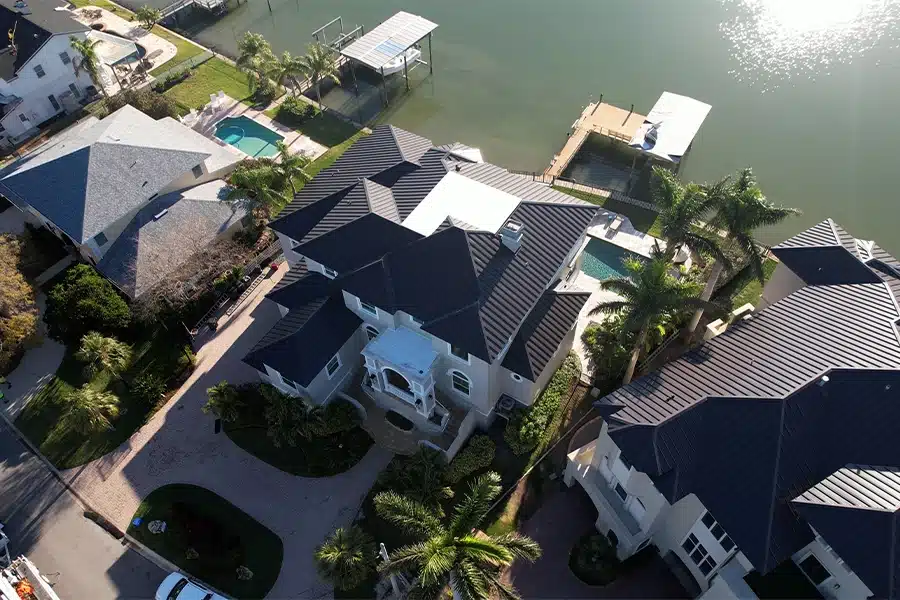
Recently, our team completed a roofing project for a homeowner in Trinity who was frustrated by consistently high cooling costs. They initially suspected their air conditioning system was the problem, but after inspecting the roof, we discovered worn roofing materials and inadequate attic ventilation were allowing excessive heat to build up inside the home. Once the roofing system was replaced and the ventilation improved, the home was better equipped to manage heat during Florida’s long cooling season. It’s a situation we see more often than many homeowners realize and a great example of how closely your roof and HVAC system work together.
Whether your roof is nearing the end of its lifespan or you’re simply looking for ways to improve your home’s energy efficiency, understanding this relationship can help you make more informed decisions.
Why Your Roof Matters for HVAC Efficiency in Trinity, FL
Every day, your roof absorbs sunlight. As roofing materials heat up, that heat transfers into the attic before eventually making its way into your living space. The hotter your attic becomes, the harder your HVAC system must work to maintain comfortable indoor temperatures.
A well-designed roofing system helps reduce this heat transfer by combining quality roofing materials, proper attic insulation, and effective ventilation. Together, these components help reduce the workload placed on your air conditioner while maintaining more consistent indoor temperatures throughout the year.
The Connection Between Roofing and Energy Costs
An inefficient roofing system doesn’t just make your home less comfortable—it can also increase your monthly energy bills.
Older roofs often absorb and retain more heat than modern roofing systems. Combined with poor ventilation, this trapped heat can create extremely high attic temperatures that force your air conditioner to run longer and more frequently.
A modern roofing system helps improve efficiency by:
- Reflecting more solar heat away from the home
- Reducing heat transfer into the attic
- Improving attic airflow
- Helping maintain more consistent indoor temperatures
While every home is different, reducing unnecessary heat gain often leads to lower energy consumption and a more comfortable living environment.

Roofing Materials That Influence HVAC Performance
The roofing material you choose has a direct impact on how efficiently your home manages heat. Different materials provide different levels of reflectivity, insulation, and thermal performance.
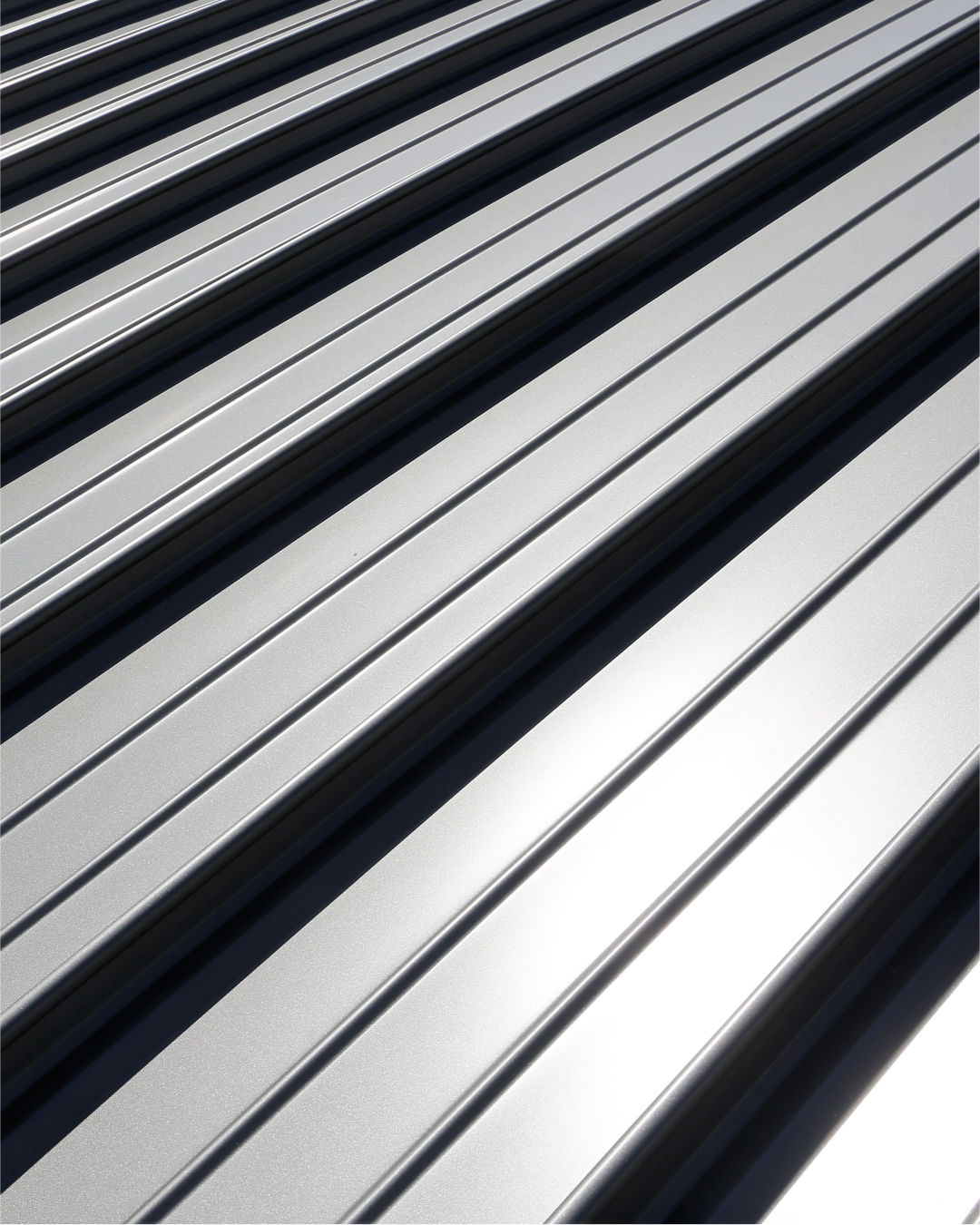
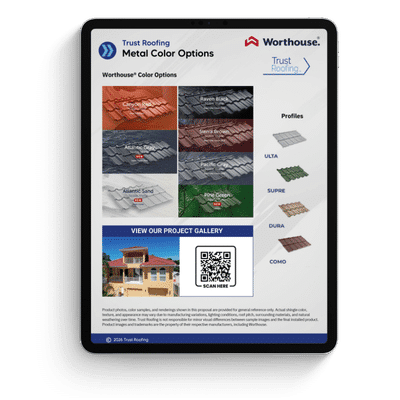
Metal Roofing
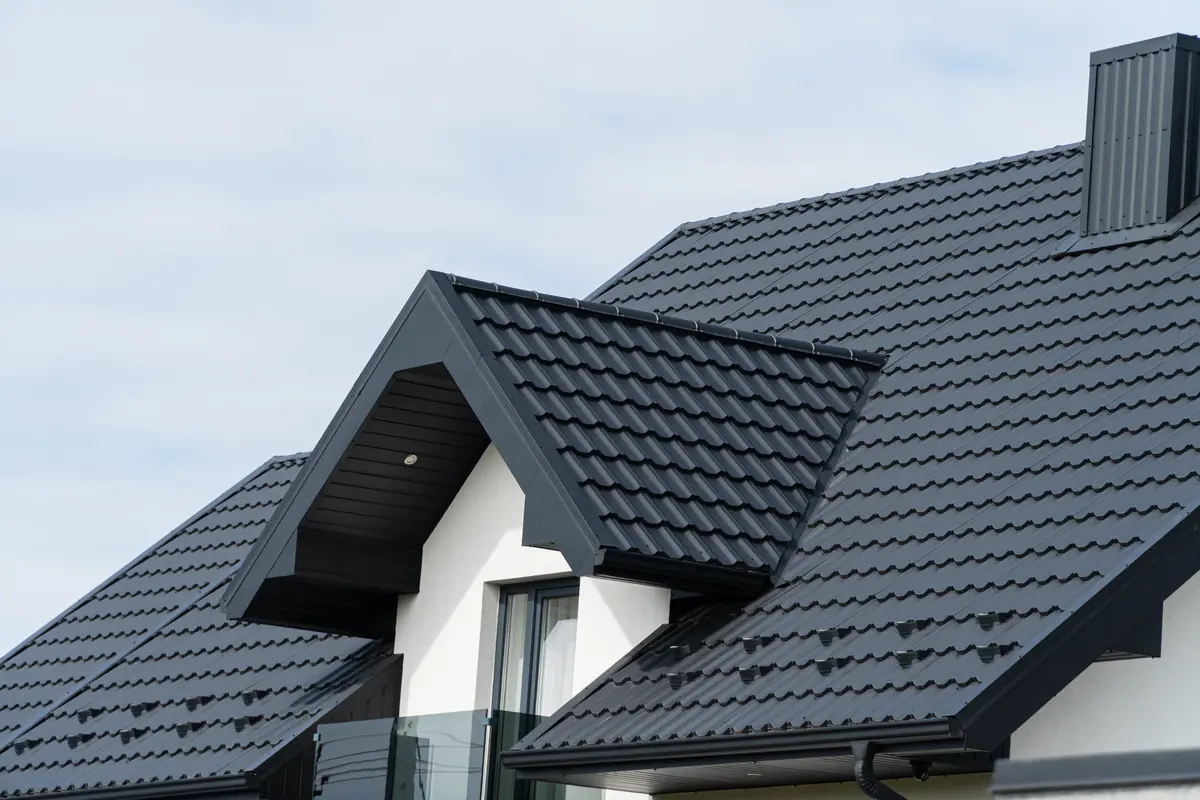
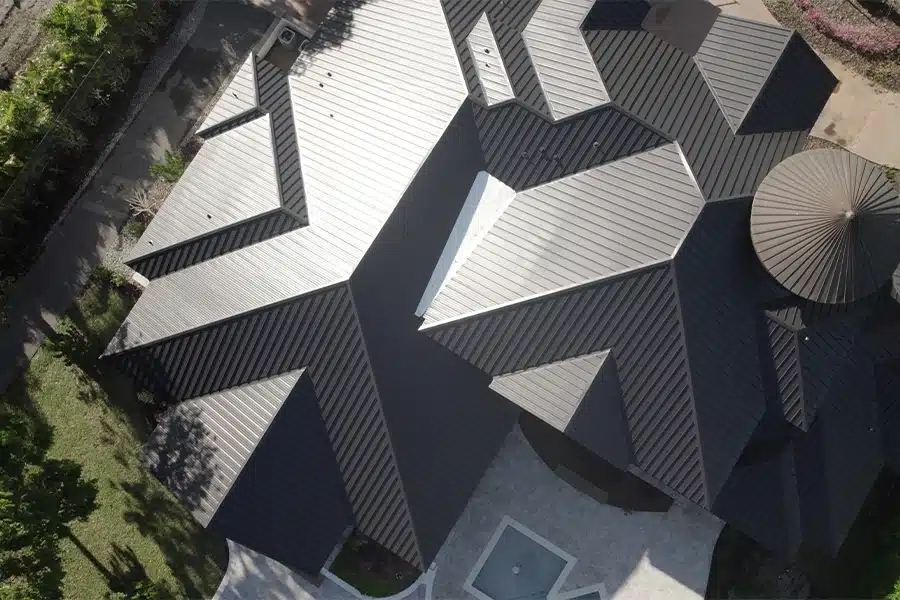
Metal roofs are among the most energy-efficient roofing options available. Their highly reflective surfaces help redirect solar radiation away from the home, reducing attic temperatures and decreasing cooling demands.

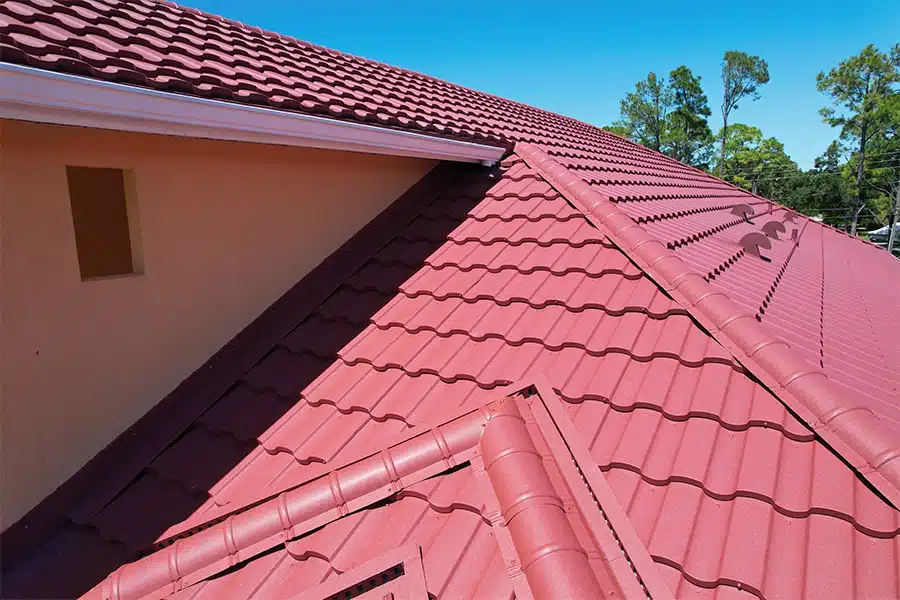
Tile Roofing
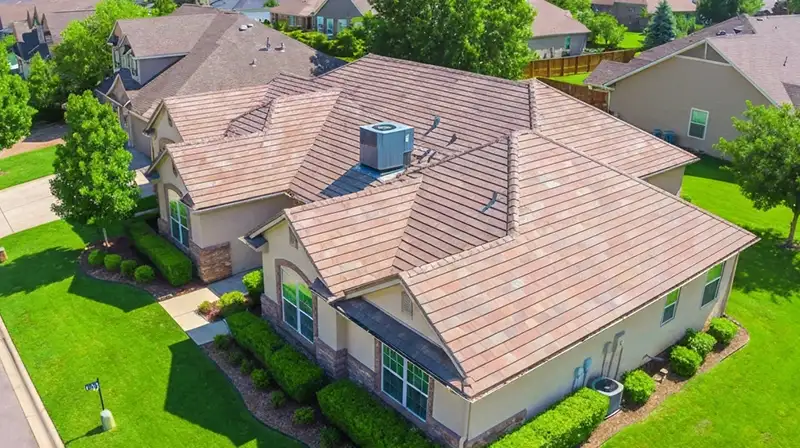
Concrete and clay tile roofs naturally create small air spaces beneath the tiles. These pockets of air help reduce heat transfer while providing exceptional durability in Florida’s climate.
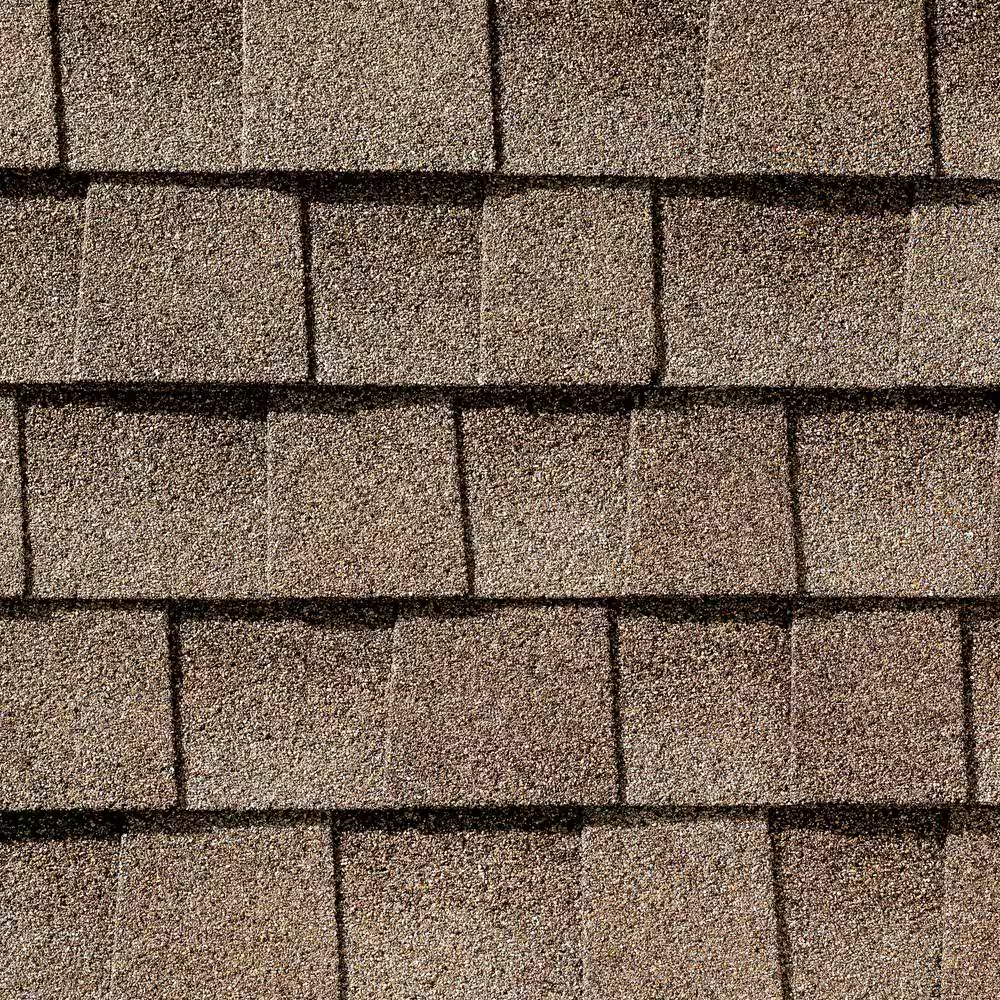
Architectural Asphalt Shingles
Modern architectural shingles remain the most common roofing material because they offer an excellent balance of durability, affordability, and performance. Many premium shingles feature reflective granules designed to reduce heat absorption compared to older roofing products.
When properly installed alongside effective attic ventilation, architectural shingles can provide excellent energy performance for many homeowners.
Why Roof Ventilation Is Just as Important
Even the most energy-efficient roofing materials can’t perform at their best without proper attic ventilation.
Ventilation allows hot air to escape while drawing cooler outside air into the attic. This continuous airflow helps regulate attic temperatures, reduces moisture buildup, and minimizes the strain placed on your HVAC system.
Without adequate ventilation, heat becomes trapped beneath the roof, reducing energy efficiency and potentially shortening the lifespan of roofing materials.
Roof Design and Insulation Matter Too
A roofing system functions as a complete system—not as individual components.
Roof pitch, insulation, ventilation, underlayment, and roofing materials all work together to determine how effectively your home manages heat. Improving one component while overlooking the others may limit your home’s overall energy performance.
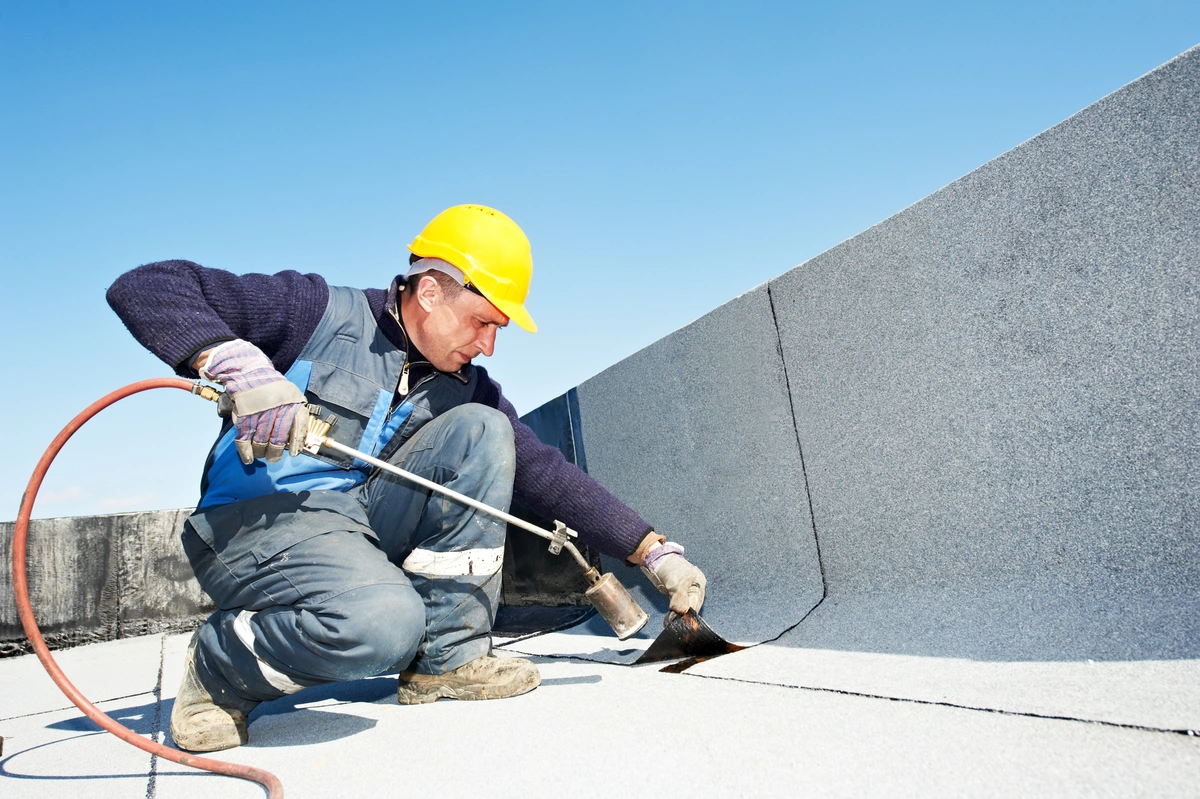
That’s why a professional roof replacement should evaluate the entire roofing system rather than focusing solely on the shingles.

Signs Your Roof May Be Affecting Energy Efficiency
Many homeowners don’t realize their roof may be contributing to higher cooling costs.
Common signs include:
- Increasing energy bills
- Hot or uncomfortable upstairs rooms
- An excessively hot attic
- Aging or deteriorating roofing materials
- Poor attic ventilation
- An HVAC system that seems to run constantly during warm weather
If you’ve noticed any of these issues, your roof may be contributing more to your energy costs than you realize.
Why Homeowners Trust Trust Roofing
Improving energy efficiency starts with installing a roofing system that’s designed to perform as a whole.
At Trust Roofing, we evaluate roofing materials, attic ventilation, flashing, decking, and other critical components to ensure your new roof delivers long-term protection and dependable performance. With more than 35 years of experience, over 1,000 five-star reviews, an A+ BBB rating, and recognition as an INC. 5000 company, we’ve helped homeowners throughout the Tampa Bay area invest in roofing systems built for Florida’s climate.
Improve Your Home’s Comfort and Efficiency
Your roof does much more than protect your home from the elements. It plays a major role in regulating indoor temperatures, supporting HVAC efficiency, and helping control monthly energy costs.
If your roof is showing signs of age or you’re interested in improving your home’s energy performance, Trust Roofing can help you determine the best solution for your property.