






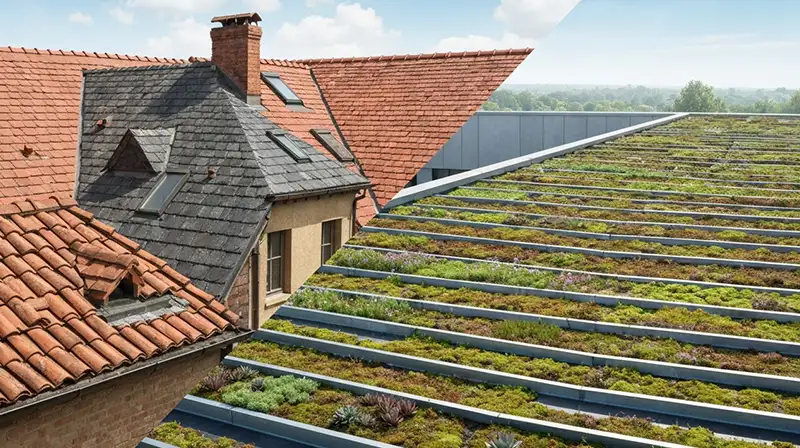
Choosing a roof used to be largely about cost, appearance, and how long the material would last. Today, homeowners have more to consider.
Advances in roofing materials have created options that can last longer, improve energy efficiency, reduce construction waste, and make use of recycled or recyclable materials. For Florida homeowners, these developments are especially valuable. A roof must contend with intense sunlight, heat, heavy rain, high winds, and severe weather—all while helping protect one of your largest investments.
From reflective metal roofing to modern synthetic materials, eco-friendly roofing has evolved considerably. Here’s how roofing materials have changed, what sustainable options are available today, and what Tampa Bay homeowners should consider when choosing a new roof.
How Roofing Materials Have Evolved
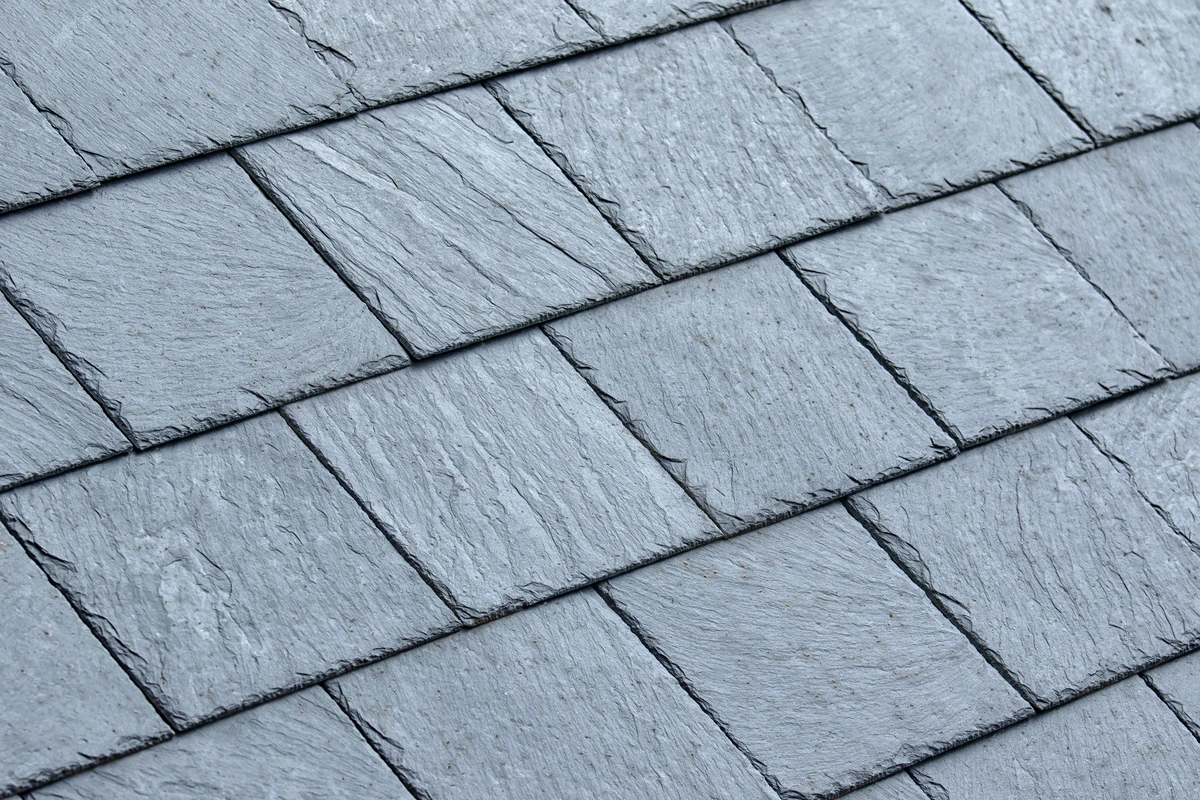
For centuries, roofing materials were largely determined by what was locally available. Wood, clay, stone, and eventually slate were common choices, each offering its own advantages and limitations.
Clay and slate offered impressive durability, while wood provided a readily available building material. However, weight, cost, maintenance requirements, fire resistance, and the availability of raw materials all influenced how these roofing systems were used.
The industrial era brought increasingly standardized and mass-produced roofing materials. Asphalt shingles eventually became one of the most common residential roofing products in North America because of their affordability, versatility, and relatively straightforward installation.
Today, the roofing industry is entering another stage of development. Manufacturers are increasingly focused on improving durability, energy performance, manufacturing efficiency, recyclability, and the overall environmental impact of roofing systems.
For homeowners, that means sustainability no longer necessarily requires choosing an unconventional roof.
What Makes a Roofing Material Eco-Friendly?
There isn’t one characteristic that automatically makes a roof environmentally friendly. Instead, several factors can contribute to the overall sustainability of a roofing system.
These include the material’s expected lifespan, recycled content, recyclability at the end of its service life, energy performance, maintenance requirements, manufacturing process, and how frequently the roof will need to be replaced.
That last factor is particularly important.
A roofing material that lasts significantly longer may reduce the amount of material entering the waste stream over the life of a home. Likewise, roofing systems that reduce heat absorption can potentially decrease the amount of energy required to cool a building.
For Florida homeowners, the best sustainable roofing choice therefore needs to balance environmental considerations with something equally important: performance in Florida’s climate.

Modern Eco-Friendly Roofing Materials
Homeowners today can choose from several roofing materials with sustainability advantages. The right option depends on the property, budget, architectural style, and homeowner’s priorities.
Metal Roofing
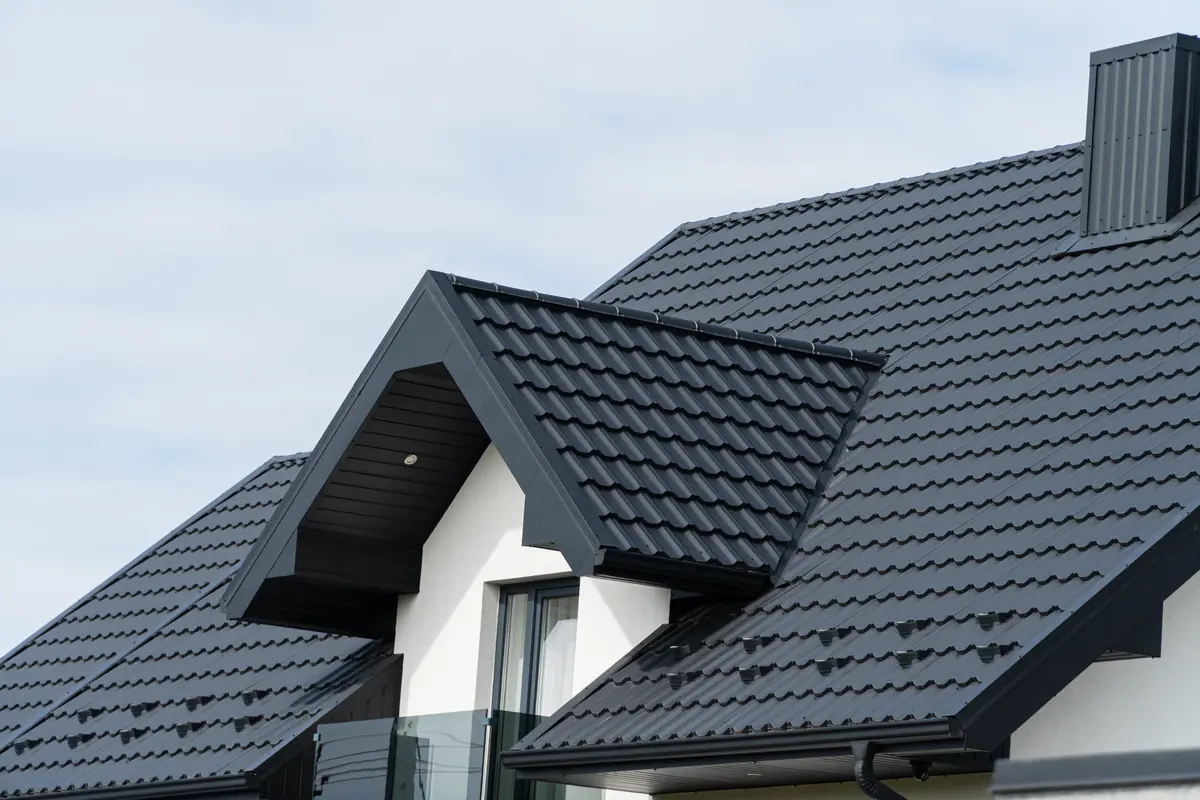
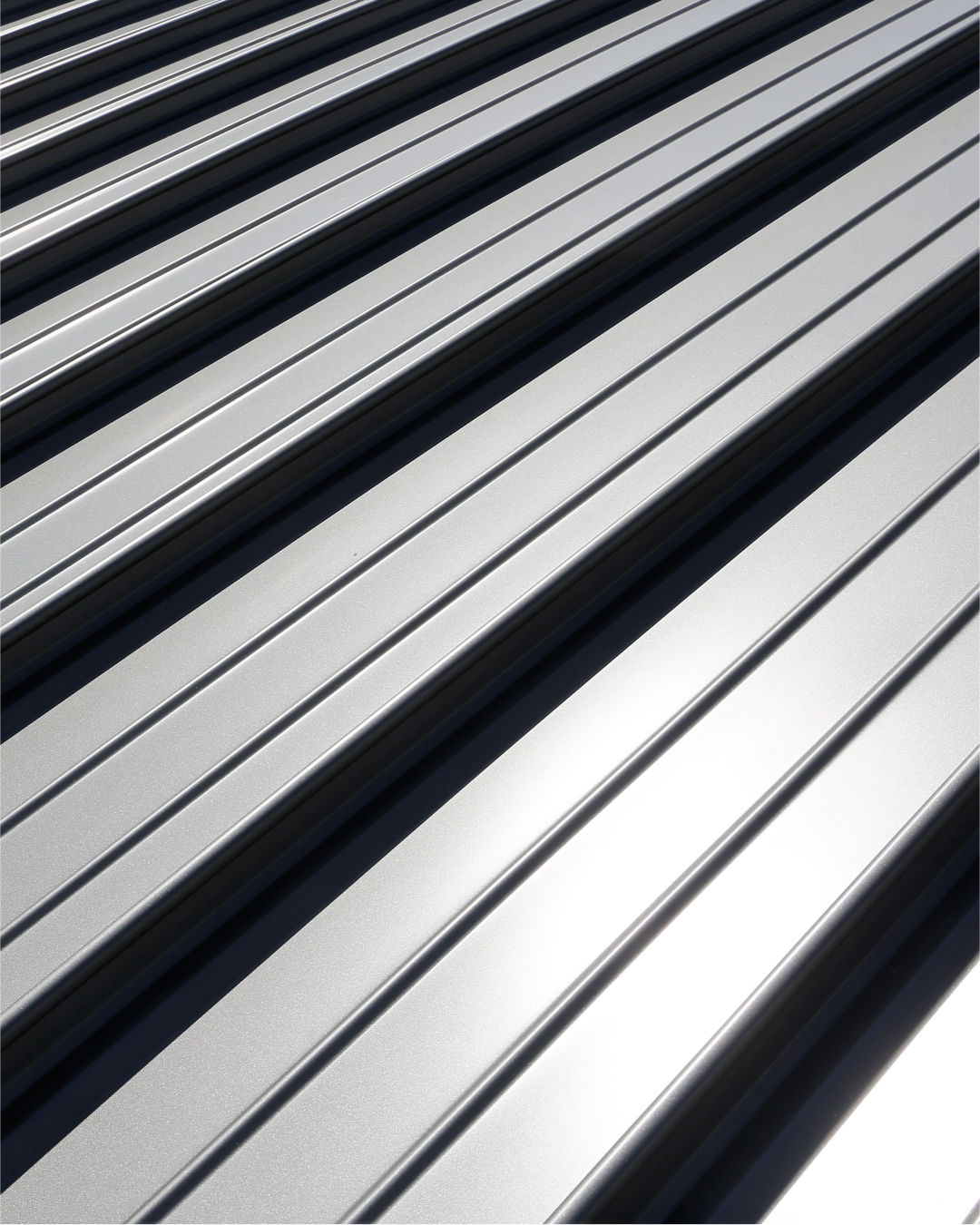
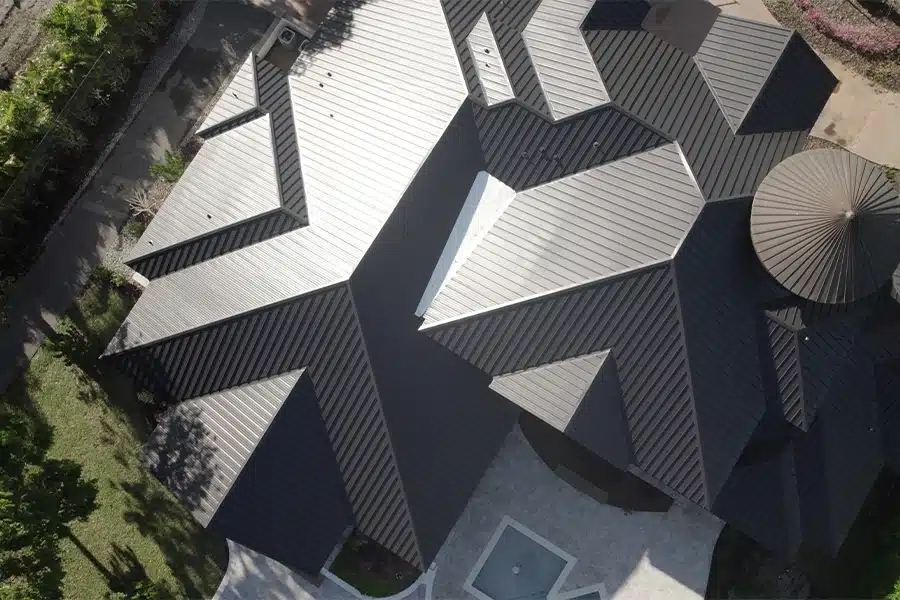
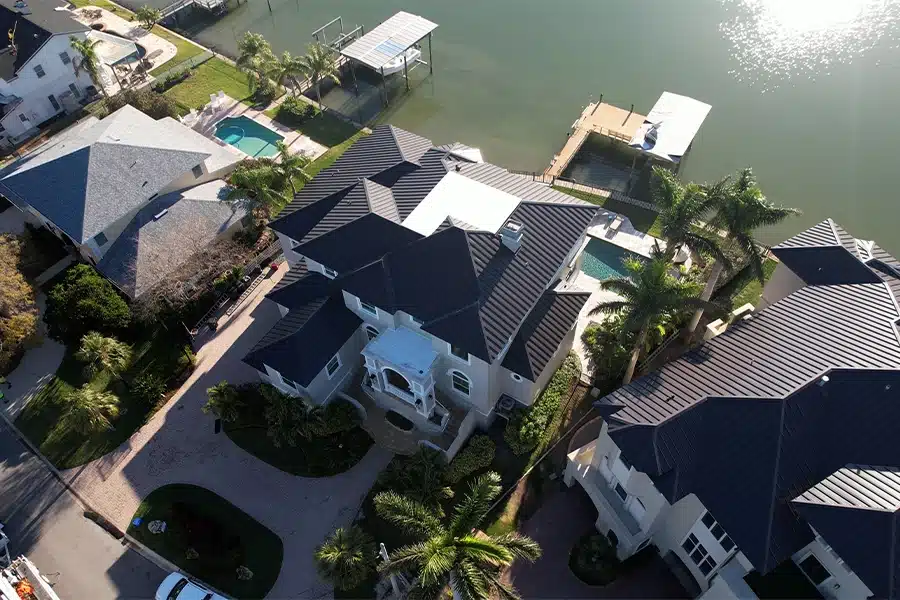
Metal has become an increasingly popular option for homeowners looking for a durable, long-lasting roofing system.
One of metal roofing’s environmental advantages is its longevity. A longer service life can mean fewer roof replacements and less roofing material entering landfills over time. Many metal roofing products also incorporate recycled material and can be recyclable at the end of their useful life.
Metal can provide energy-performance benefits as well. Depending on the system, finish, and color selected, a metal roof can reflect a portion of the sun’s energy rather than absorbing it into the roofing system.
Those characteristics can make metal particularly attractive in Florida, where roofs are exposed to intense sunlight for much of the year.
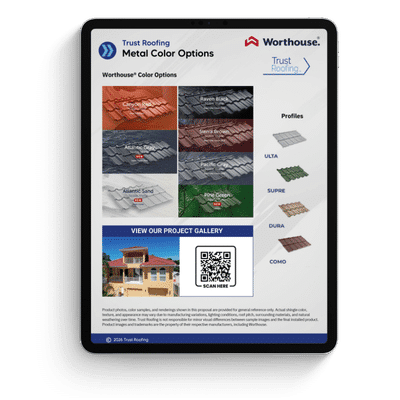
Homeowners are also no longer limited to the traditional appearance many people associate with metal roofing. Modern systems are available in a wide variety of profiles, colors, and architectural styles.
For example, Worthouse metal roofing systems offer Florida homeowners another option for combining the longevity and performance characteristics of metal with distinctive residential designs.
Metal roofing typically carries a higher initial investment than standard asphalt shingles, so homeowners should consider both upfront cost and expected service life when comparing materials.
Synthetic and Composite Roofing
Composite and synthetic roofing represent another significant development in modern roofing materials.
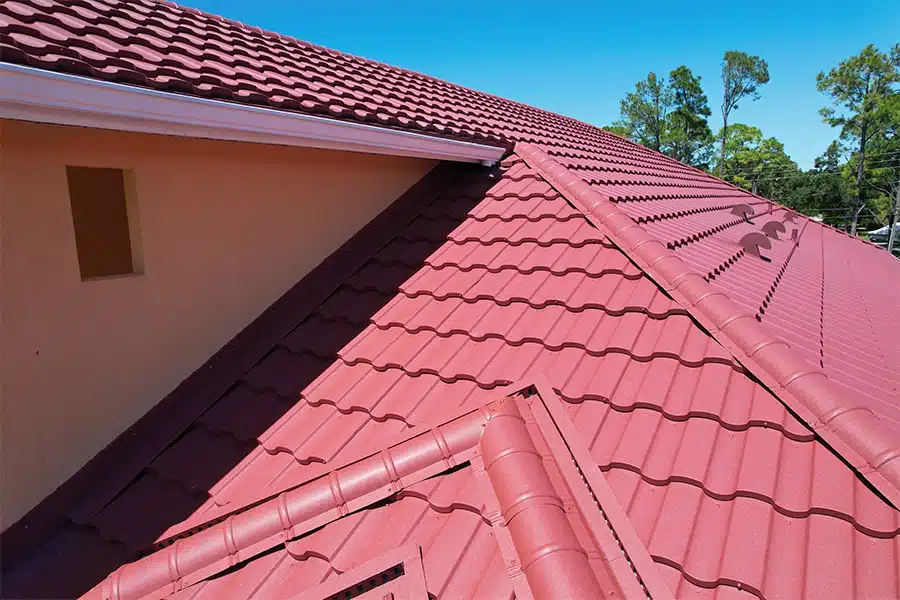
These products can be engineered to reproduce the appearance of traditional materials such as slate, cedar shake, or clay tile while offering different performance and maintenance characteristics.
That creates an interesting option for homeowners who want a particular architectural appearance without necessarily using the traditional material associated with it.
Brava synthetic roofing systems, for example, are available in profiles designed to recreate the appearance of cedar shake, slate, and Spanish barrel tile. For Florida homeowners considering premium roofing materials, synthetic products can be worth comparing alongside traditional tile, metal, and other roofing systems.
As with any roofing material, homeowners should evaluate the specific product rather than assuming that every product within a broad category offers the same environmental or performance benefits.
Asphalt Shingles
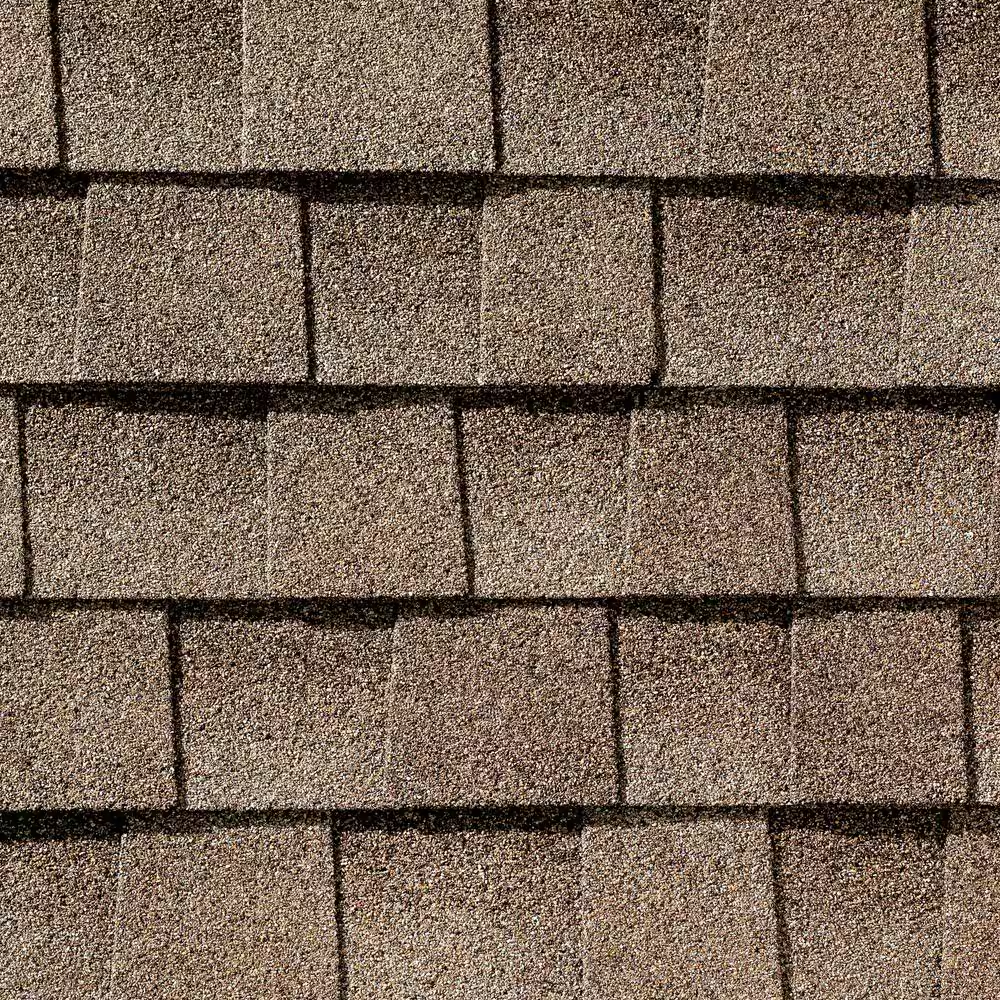
Asphalt shingles remain one of the most widely used residential roofing materials, largely because of their affordability, accessibility, and range of styles.
Although asphalt isn’t typically the first material associated with sustainable roofing, the category continues to evolve. Manufacturers have developed products and manufacturing processes aimed at improving performance, durability, and resource efficiency.
Certain shingle products can also incorporate reflective technology designed to reduce solar heat absorption.
For homeowners comparing asphalt shingles with longer-lasting materials, however, sustainability should be evaluated across the entire expected lifespan of the roof—not simply by looking at one feature of the material.

The Growing Role of Cool Roofs
A “cool roof” isn’t necessarily a particular roofing material. Instead, the term generally refers to roofing designed to reflect more sunlight and absorb less solar energy than a comparable conventional roof.
That distinction matters in Florida.
Reducing the amount of heat absorbed by the roof can help limit heat transfer into the building, potentially reducing cooling demand and improving indoor comfort.
Reflective properties can be incorporated into several types of roofing systems, including certain metal roofs, shingles, tiles, and commercial roofing membranes.
However, homeowners shouldn’t assume that every light-colored or metal roof automatically qualifies as a high-performance cool roof. Product specifications, coatings, colors, roof design, insulation, ventilation, and other components can all influence the performance of the overall roofing system.
Recycling and Manufacturing Are Changing Roofing Too
Some of the biggest sustainability improvements in roofing aren’t immediately visible once the roof is installed.
Manufacturers continue to explore ways to incorporate recycled materials, reduce manufacturing waste, improve production efficiency, and design products with longer useful lives.
Recycling at the end of a roof’s service life is another important part of the conversation. Roofing materials that can be reclaimed or recycled may reduce the amount of construction debris ultimately sent to landfills.
However, actual recycling opportunities can vary by material and location. Homeowners interested in recycling should ask their roofing contractor what options are available locally rather than assuming every roofing product can automatically be recycled after removal.

Roofing Certifications and Sustainability Standards
Homeowners researching sustainable construction may encounter several certifications, standards, and programs.
ENERGY STAR and other energy-efficiency programs have historically helped consumers understand product performance, while organizations such as ASTM International develop technical standards used throughout the construction and roofing industries.
LEED takes a broader approach by evaluating sustainability across an entire building project rather than simply labeling an individual roof as “green.”
These programs can be useful resources, but certifications should be considered alongside the practical requirements of the property.
For a Florida roof, factors such as wind resistance, water management, installation quality, manufacturer requirements, and compatibility with the home’s construction are just as important as sustainability credentials.
Solar Roofing and Renewable Energy
Solar technology has also changed the role a roof can play in a home’s energy performance.
Traditional solar panels can be installed over many roofing systems, allowing homeowners to generate electricity without replacing the roofing material itself with a solar product.
Homeowners considering solar should think about the roof and solar system together. Installing solar panels on a roof that is approaching the end of its useful life can create additional expense later if the panels must be removed to replace the roof.
If solar is part of your long-term plan, discussing it with your roofer before selecting a new roofing system can help you make a more informed decision.
What About Living or Green Roofs?
Living roofs use vegetation and growing media as part of a designed roofing assembly. They can provide benefits such as additional insulation, stormwater management, and reduced heat absorption.
They are much more commonly associated with certain commercial, multifamily, and urban buildings than conventional Florida single-family homes.
That’s an important distinction because “eco-friendly roofing” doesn’t mean every sustainable technology makes sense for every property.
Structural requirements, waterproofing, drainage, maintenance, climate, and cost all need to be considered before determining whether a living roof is appropriate.

Choosing an Eco-Friendly Roof in Florida
There isn’t one roofing material that will be the most sustainable choice for every homeowner.
A homeowner in Clearwater may have different priorities than someone replacing a roof in Sarasota, Tampa, St. Petersburg, Bradenton, or another Tampa Bay community. The home’s architecture, proximity to the coast, budget, existing roof structure, HOA requirements, and long-term ownership plans can all influence the decision.
Rather than asking only, “What is the most eco-friendly roof?”, it can be more useful to ask:
- How long is this roofing system expected to last?
- How well suited is it to Florida’s climate?
- Can it help reduce heat absorption?
- Does it contain recycled or recyclable materials?
- What maintenance will it require?How frequently is it likely to need replacement?
- Is it compatible with future solar installation?
- How does its upfront cost compare with its expected long-term value?
Looking at the entire roofing system gives homeowners a much clearer picture than focusing on a single environmental claim.
Trust Roofing’s Approach to Sustainable Roofing
At Trust Roofing, sustainability starts with helping homeowners select a roofing system that makes sense for their property—not simply labeling one material as “green.”
As a family-owned roofing company with decades of experience, we work with homeowners throughout Tampa Bay and surrounding communities to compare roofing materials based on durability, energy performance, maintenance, appearance, budget, and Florida’s demanding climate.
Our residential roofing options include traditional systems as well as newer technologies such as premium metal and synthetic roofing. That gives homeowners the ability to compare different approaches and understand the advantages and tradeoffs before making a long-term investment.
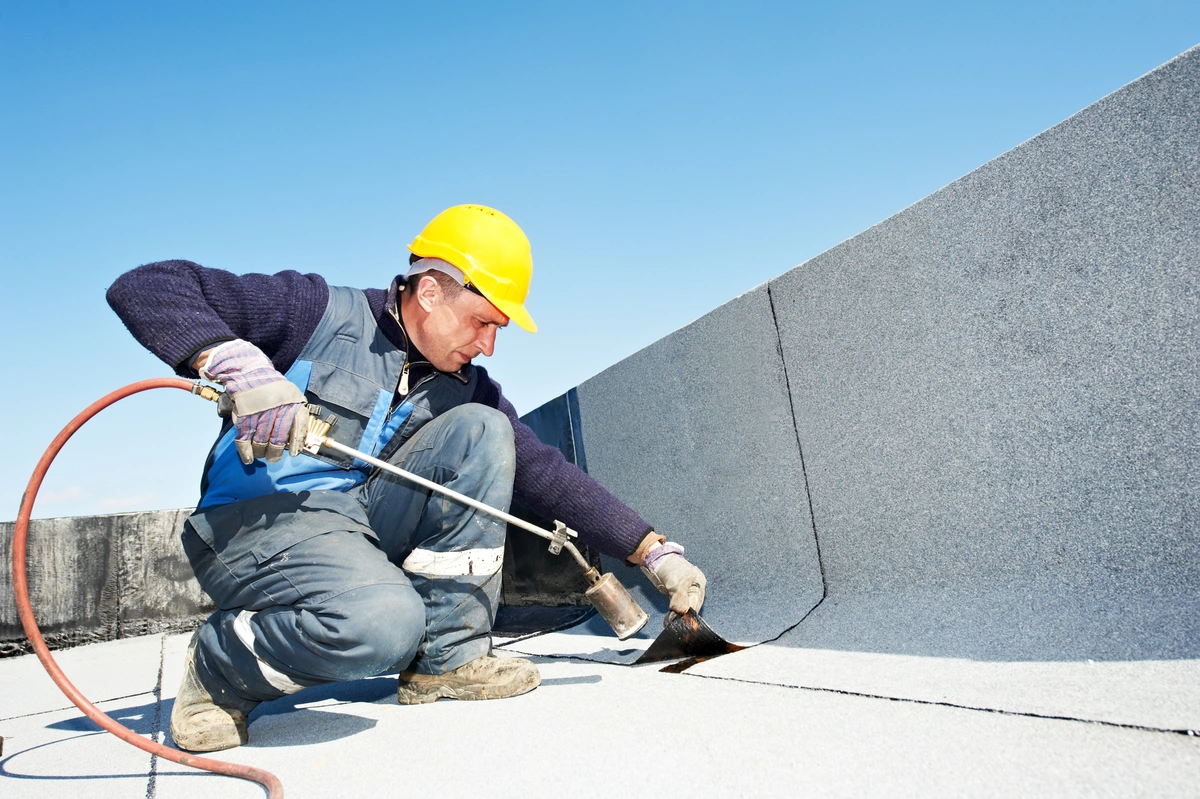
Quality installation matters just as much as material selection. Our in-house trained crews install roofing systems with an emphasis on craftsmanship, reliability, and long-term protection—principles that are central to how Trust Roofing approaches every project. Trust Roofing Brand Guidelines …
Building a More Sustainable Roof Starts With the Right Choice
Eco-friendly roofing has evolved far beyond a small category of specialty products.
Metal roofing, synthetic materials, reflective roofing technology, improved manufacturing practices, recycling, and solar integration are giving homeowners more ways to consider environmental impact alongside durability, appearance, and cost.
For Florida homeowners, however, sustainability should never come at the expense of performance. A roofing system still needs to withstand the heat, rain, wind, and severe weather that come with living in our climate.
The goal isn’t simply to choose a roof marketed as “green.” It’s to choose a roofing system that protects your property, performs efficiently, lasts as long as possible, and makes sense for your home.
If you’re considering a roof replacement, Trust Roofing can help you compare available roofing systems and determine which option best fits your property and priorities.