





A new roof is one of the biggest investments you’ll make in your home, so it’s important to understand exactly what protects that investment. One of the most common questions we hear from homeowners is, “What does my roofing warranty actually cover?”
Recently, while replacing a roof for a homeowner in Trinity, that exact question came up. They assumed a roofing warranty covered every possible issue that could arise after installation. In reality, most roofing systems are protected by multiple warranties, each covering something different.
Understanding how those warranties work before you need them can save you time, money, and frustration if a problem ever occurs.
What Are Roofing Warranties and Why Are They Important?
A roofing warranty is designed to protect you if something goes wrong, but not every warranty covers the same things. In most cases, your roof is protected in two ways:
- A manufacturer’s warranty covers defects in the roofing materials themselves.
- A workmanship warranty covers problems caused by the installation.
Knowing the difference is important because it determines who is responsible if an issue develops years after your roof is installed.
At Trust Roofing, we take time to explain both warranties before every project begins. We don’t want homeowners wondering who to call after the job is complete—we want you to understand exactly what’s covered from day one.
Why Roofing Warranties Matter
Think of your warranty as part of your roofing system—not just paperwork you file away after installation.
Even the highest-quality roofing materials can have manufacturing defects, and even the best products can fail if they’re installed incorrectly. That’s why both manufacturer and workmanship warranties play an important role in protecting your investment.
As a GAF Certified Contractor and approved applicator for manufacturers like IB Roof Systems, Johns Manville, and Versico, we install roofing systems that qualify for strong manufacturer protection while standing behind our own work with a 10-year workmanship warranty. Together, those layers of protection give homeowners confidence long after the installation is complete.

Types of Roofing Warranties Available
Not all roofing warranties are created equal. Depending on the roofing system you choose, you may receive a manufacturer’s warranty, a workmanship warranty from your contractor, and in some cases, an extended manufacturer warranty that provides additional protection.
Understanding what each warranty covers—and what it doesn’t—is the key to knowing exactly what protection you have after your roof is installed.
Manufacturer’s warranty
A manufacturer’s warranty protects the roofing materials themselves. If shingles, underlayment, or other roofing components fail because of a manufacturing defect, the manufacturer may repair or replace those materials according to the terms of the warranty.
Coverage varies by manufacturer and roofing product, so it’s always important to understand what’s included, what maintenance is required, and any conditions that could affect coverage.

Workmanship warranty
A workmanship warranty covers the quality of the installation rather than the roofing materials.
Even the best roofing products can’t perform properly if they’re installed incorrectly. That’s why choosing the right contractor matters just as much as choosing the right shingles.
At Trust Roofing, every roof replacement includes a 10-year workmanship warranty. If an issue develops because of our installation, we’ll make it right.
Extended warranties and premium coverage options
Some manufacturers offer extended warranty options that provide broader coverage than their standard warranties. These plans may include longer coverage periods, additional protection for roofing components, and in some cases, labor costs associated with warranty repairs.
Extended warranties often require installation by a manufacturer-certified contractor, which is one reason choosing an experienced roofing company can make a significant difference in the protection you receive.
What’s Typically Covered in Roofing Warranties?
One of the biggest misconceptions homeowners have is that a roofing warranty covers everything. In reality, what is covered depends on why the problem occurred.
If a roofing material fails because of a manufacturing defect, that’s typically handled through the manufacturer’s warranty. If a problem develops because the roof wasn’t installed correctly, that’s where your contractor’s workmanship warranty comes into play.
Knowing the difference can save you a lot of frustration if you ever need to file a claim.

Material coverage overview for Florida homes
Manufacturer warranties are designed to protect the roofing products themselves—not the installation.
Depending on the roofing system, this may include defects such as shingles that prematurely crack, blister, lose excessive granules, or fail before they should under normal conditions. Coverage varies between manufacturers and products, which is why it’s important to understand exactly what your warranty includes before your project begins.
For homeowners throughout the Tampa Bay area, selecting quality materials is especially important. Florida’s heat, UV exposure, humidity, and severe weather put roofing products to the test every year. Choosing products backed by strong manufacturer warranties provides another layer of protection for your investment.nvestment. Paired with our workmanship guarantee, your roof receives complete coverage.
Material coverage overview for Florida homes
Even the best roofing materials can fail if they’re installed incorrectly.
A workmanship warranty protects you against installation-related issues, such as leaks caused by improper flashing, incorrectly installed shingles, or other labor-related problems.
At Trust Roofing, every roof replacement is backed by a 10-year workmanship warranty because we believe our responsibility doesn’t end when the last shingle is installed. If a problem is caused by our workmanship, we’ll inspect it, determine the cause, and make it right.

What Isn’t Covered?
One area that often causes confusion is storm damage.
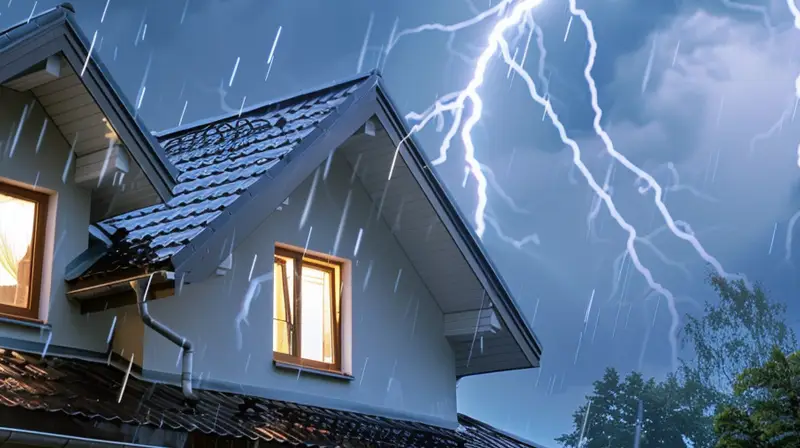
Roof warranties generally do not cover damage caused by hurricanes, hail, tornadoes, falling trees, or other extreme weather events. Those situations are typically handled through your homeowner’s insurance policy.
Think of it this way:
- Manufacturing defect? → Manufacturer’s warranty.
- Installation problem? → Contractor’s workmanship warranty.
- Storm or accidental damage? → Homeowner’s insurance.
Understanding who is responsible for each type of issue helps you know exactly where to turn if your roof is ever damaged
Common Exclusions in Roofing Warranties
A roofing warranty is designed to protect your investment, but like any warranty, there are limits to what it covers. Understanding those limits before you need to file a claim can help you avoid surprises down the road.
The most common exclusions involve storm damage, lack of maintenance, unauthorized repairs, and normal wear and tear. While every manufacturer has different requirements, these are some of the situations homeowners should be aware of.
Storm Damage and Florida Weather
One of the biggest misconceptions is that a roofing warranty covers hurricane damage.
It doesn’t.
Manufacturer and workmanship warranties are intended to cover product defects and installation-related issues—not damage caused by severe weather. Hurricanes, hail, falling trees, lightning strikes, and other storm-related events are typically handled through your homeowner’s insurance policy.
Living in Florida means your roof experiences intense sunlight, heavy rain, strong winds, and hurricane seasons year after year. That’s exactly why it’s important to understand the difference between a warranty claim and an insurance claim before you ever need one.
Maintenance requirements for warranty validity
Most roofing warranties also require homeowners to take reasonable care of their roof.
Simple maintenance like keeping gutters clear, removing debris, trimming overhanging tree limbs, and scheduling periodic roof inspections can help identify small problems before they become expensive repairs.
Neglecting obvious issues for years can sometimes affect warranty coverage, especially if additional damage could have been prevented through routine maintenance.

Unauthorized Repairs and Alterations
Another common way homeowners unintentionally create warranty issues is by allowing unqualified contractors to make repairs or modifications to their roof.
Installing new equipment, replacing flashing incorrectly, or making structural changes without following manufacturer requirements can affect portions of your warranty.
If you’re ever unsure whether a repair could impact your coverage, it’s always worth checking with your roofing contractor or the manufacturer before the work begins.
How Long Do Roofing Warranties Last?
Warranty length depends on both the roofing products you choose and the contractor performing the installation.
Many modern roofing systems include manufacturer warranties that can last decades, while workmanship warranties vary from one contractor to another. Some manufacturers also allow warranties to transfer to a new homeowner, which can be an added selling point if you decide to move.
At Trust Roofing, every roof replacement includes a 10-year workmanship warranty because we believe our responsibility continues long after installation is complete. We’ll also walk you through your manufacturer’s warranty so you understand exactly what protection comes with your new roof.
A roofing warranty shouldn’t be something you file away and forget about.
Understanding what it covers—and just as importantly, what it doesn’t—can save you time, money, and frustration if an issue ever arises.
If you have questions about your current roof, are planning a replacement, or simply want to better understand your warranty options, our team is always happy to help homeowners throughout the Tampa Bay area make informed decisions about their roofing investment.
For more helpful homeowner resources, be sure to read our guide on filing a roof insurance claim and what to expect after severe weather.