






Roof damage after a storm can be stressful for any homeowner, and understanding how to file a roof insurance claim is an important step toward getting repairs covered. The process may seem confusing at first, but knowing what to expect can make it much easier to navigate. In communities like Trinity, FL, our Trust Roofing team has seen first-hand how severe weather can sometimes lead to roofing problems that require careful documentation and a clear insurance claim process. This guide walks through each step so you can understand your policy, document damage properly, and move through the claims process with confidence.
Understanding Roof Insurance Claims
Homeowners insurance is designed to protect you from unexpected damage, not routine wear and tear. Most policies cover sudden events like storm damage, which often affects roofing systems during severe weather. Understanding how this coverage works helps you know when it may be appropriate to initiate the claim process with your insurance company.
Navigating a roof insurance claim typically involves you, your insurance agent, and a professional roofing contractor. One of our estimators explained that having a contractor involved early can help document damage properly and prevent issues during the adjuster’s inspection. Homeowners in areas like Trinity often benefit from this collaborative approach because it ensures the full scope of roof damage is clearly identified during the claims process.
Common Roof Damages Covered by Insurance Policies
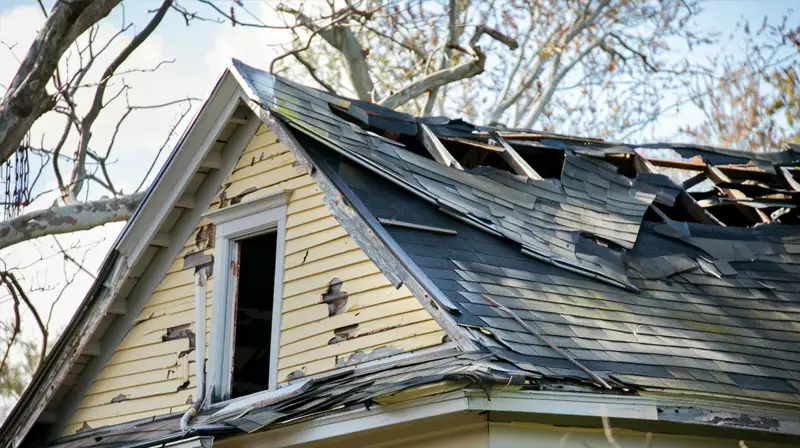
Homeowners insurance usually covers common roof damage, protecting owners from unexpected repair costs. Major causes include severe weather—wind, hail, and storms—with coverage for issues like missing shingles, leaks, and structural damage. Standard policies often cover sudden events such as fallen trees or debris. To support your claim, document all damage with photos and evidence. Knowing your policy’s specifics can help you get proper compensation for repairs or replacement.

Key Terms to Know Before Filing a Claim
Understanding key terms helps you navigate the roof insurance claim process. “Actual cash value” is your roof’s current worth after depreciation, while “replacement cost” covers the cost to replace materials without factoring in depreciation. Knowing your “deductible”—the amount you pay out of pocket—prevents confusion.
Other key terms include “exclusions” and “limits,” which define what your policy does and doesn’t cover. Also, know the role of an insurance adjuster; they assess damage and determine your claim settlement. Being familiar with these concepts prepares you for a smoother claims experience.
Review Your Policy Details and Coverage
The best time to understand your homeowners insurance is before you need it. Your insurance policy is a contract that details exactly what is and isn’t covered. Taking the time to read it will help you understand your deductible, coverage limits, and any special conditions related to roof damage. This document is your guide to the entire claim process. It explains what your insurance coverage includes, so you can file with confidence. Knowing these details upfront prevents frustration and prepares you for the next steps, such as understanding your settlement options and potential exclusions.
Actual Cash Value vs. Replacement Cost Explained
Understanding the difference between actual cash value (ACV) and replacement cost is key when filing a roofing insurance claim. ACV accounts for depreciation, resulting in a lower payout based on your roof’s age and condition. Replacement cost provides coverage to repair or replace your roof at today’s prices, without subtracting depreciation. Reviewing how your policy defines these terms can greatly impact your settlement. Many homeowners mistakenly expect full replacement, but knowing these details helps you communicate clearly with your insurance agent and avoid surprises during the claims process.

Exclusions and Limitations You Should Check
Understanding the exclusions and limitations in your homeowners insurance is essential for a successful roof claim. Policies often exclude damage from normal wear, poor maintenance, or pre-existing conditions. Coverage for weather events like hail or wind may also have specific requirements. Insurers may limit coverage for cosmetic repairs, affecting claim settlements. Review these details with your agent to clarify what’s covered. Knowing your policy’s exclusions helps you manage expectations and prepare for discussions about repair costs and claim outcomes.
Documenting Roof Damage Accurately
After a storm, one of the most critical steps in filing a successful insurance claim is documenting the roof damage accurately. Clear and thorough evidence is your best tool for showing the insurance company what happened. It provides a factual record that supports your claim.
This documentation helps prevent disputes about the extent of the damage. By providing photographs of the damage, you can speed up the claim process and ensure the adjuster has a complete picture. This simple step can help you avoid delays and get your repairs started sooner to prevent further damage.
Taking Clear Photos and Videos After Storms or Hail
Clear photos and videos of roof damage after storms or hail are essential for insurance claims. Visual evidence helps homeowners support their claim and communicate with adjusters. Focus on major issues like missing shingles, dents, or leaks. Take pictures from multiple angles to show the extent of the damage. Add timestamps to strengthen your documentation. Clear visuals can speed up the claims process and help maximize your settlement, serving as undeniable proof during negotiations.

Gathering Repair Estimates with GAF Certified Contractors
Engaging GAF Certified Contractors for repair estimates is a key step in the roof insurance claim process. These trained professionals accurately assess damage from wind, hail, or other weather events. Getting multiple estimates provides clear evidence for your insurer and can improve your claim outcome. GAF Certified Contractors also understand homeowners insurance guidelines, helping streamline the claims process. They explain replacement cost vs. actual cash value and ensure all details are addressed. Their expertise results in thorough estimates that include both repair costs and recommendations for temporary fixes to prevent further damage.
Initiating the Roof Insurance Claim Process
Once you have documented the damage and have an estimate from a trusted contractor, it is time to start the roof insurance claim process. This begins by contacting your insurance provider to formally report the damage. This call or online submission officially opens your claim. Your insurance agent will guide you through the initial steps and provide you with a claim number for your records. This number will be your reference for all future communication. From here, the insurer will assign an adjuster and outline the next steps in the claims process.
Key Information Your Insurance Company Needs
Essential details are crucial for a smooth roof insurance claim process. Provide clear evidence, such as photos of the damage, and document any temporary repairs with receipts. Accurate descriptions and supporting documentation help validate your claim. Insurance companies typically require your policy number, claim number, and a detailed list of roof damage. Getting an assessment from a reputable contractor can strengthen your case and show prompt action to prevent further damage.

Timing Your Claim for Fastest Results
Prompt timing is crucial for roof insurance claims. Homeowners should file promptly after spotting damage like missing shingles, leaks, or storm impact. Insurance companies prioritize quick claims after weather events for faster processing. Clear documentation, including photos, speeds up adjuster assessments. Alerting your roofing contractor enables temporary repairs and shows compliance with policy obligations. Acting fast can help you receive compensation sooner and avoid complications from delays.
Working With Insurance Adjusters and Inspections
After you file a claim, your insurance company will assign an insurance adjuster to your case. The adjuster’s role is to conduct a roof inspection to verify the cause and extent of the damage. This inspection is a critical part of the claim process. We recommend having your trusted roofing contractor present during the adjuster’s visit. This ensures that a professional with expertise in roofing systems is there to point out all damage and advocate on your behalf. This collaboration can lead to a more accurate and fair assessment.
What Adjusters Look For During a Roof Inspection
During a roof inspection, adjusters look for visible damage like hail, wind, and leaks. They check for missing shingles, storm impact, and previous repairs, using photos to document issues for insurance claims. Adjusters also consider the roof’s age and condition, distinguishing normal wear from sudden damage. This thorough evaluation helps decide if repairs are covered by homeowners insurance and can affect claim settlements and future premiums.

How Trust Roofing’s Certifications Boost Your Confidence
Professional certifications and industry recognition can make a significant difference when navigating a roof insurance claim. Experienced roofing contractors understand how to properly document storm damage and communicate with insurance adjusters during inspections. This can help ensure all roofing issues are identified and included in the claim evaluation.
Trust Roofing holds multiple manufacturer certifications, including GAF Certified Contractor status and approved applicator designations for IB Roof Systems, Johns Manville, and Versico Roof Systems. These credentials indicate training in proper roofing installation and repair standards, which can support accurate inspections and reliable repair recommendations.
Why Work With Trust Roofing
Trust Roofing is a family-owned company with more than 35 years of experience serving homeowners across the Tampa Bay area. Our trained in-house crews handle inspections, repairs, and full roof replacements with a focus on long-term durability and proper installation practices. We work closely with homeowners during the insurance claim process to ensure roof damage is documented clearly and repairs are completed to manufacturer standards. Every project is backed by a 10-year workmanship warranty, giving homeowners additional peace of mind after the work is complete.
Download a printable version to keep with you for quick access:
Download