






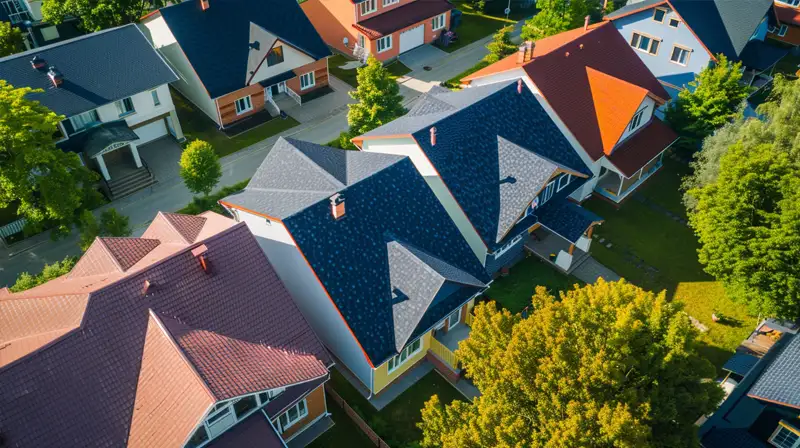
When homeowners think about improving energy efficiency, they often focus on windows, insulation, or HVAC systems. But your roof color can also play a major role in how much heat your home absorbs — especially in Florida’s hot and humid climate.
At Trust Roofing, we work with homeowners throughout the Tampa Bay area to help them choose roofing systems that balance appearance, durability, and long-term energy performance. During roof inspections across communities like Citrus Park, Brandon, and Clearwater, we often see how darker roofing materials can contribute to elevated attic temperatures and increased strain on air conditioning systems during the summer months.
Choosing the right roof color can help improve indoor comfort, reduce cooling demands, and potentially lower monthly energy costs.
How Roof Color Influences Home Energy Efficiency
The relationship between roof color and energy efficiency comes down to heat absorption and solar reflectivity.
Darker roofing colors absorb more sunlight and transfer more heat into the roofing system and attic space below. Lighter colors reflect a greater percentage of the sun’s rays, helping reduce heat buildup inside the home.
In Florida, where homes are exposed to intense sunlight and high temperatures for much of the year, this difference can have a noticeable impact on indoor temperatures and HVAC performance.
A more reflective roof can help:
- Reduce attic heat buildup
- Improve indoor comfort
- Lower cooling demands
- Increase HVAC efficiency
- Reduce long-term energy costs
The Science Behind Heat Absorption and Reflection
Roofing materials are rated based on their solar reflectance and thermal emittance. Solar reflectance measures how much sunlight a roof reflects, while thermal emittance refers to how effectively the material releases absorbed heat.
Dark-colored roofs typically absorb more solar radiation, which can increase roof surface temperatures significantly during peak summer heat. In contrast, lighter-colored roofing systems reflect more sunlight and generally stay cooler throughout the day.
During inspections across Tampa Bay, we’ve seen attic temperatures rise dramatically in homes with older, dark roofing systems that lacked proper ventilation. In many cases, excessive heat buildup not only affected comfort levels but also increased wear on roofing materials over time.

Comparing Dark vs. Light Roof Colors
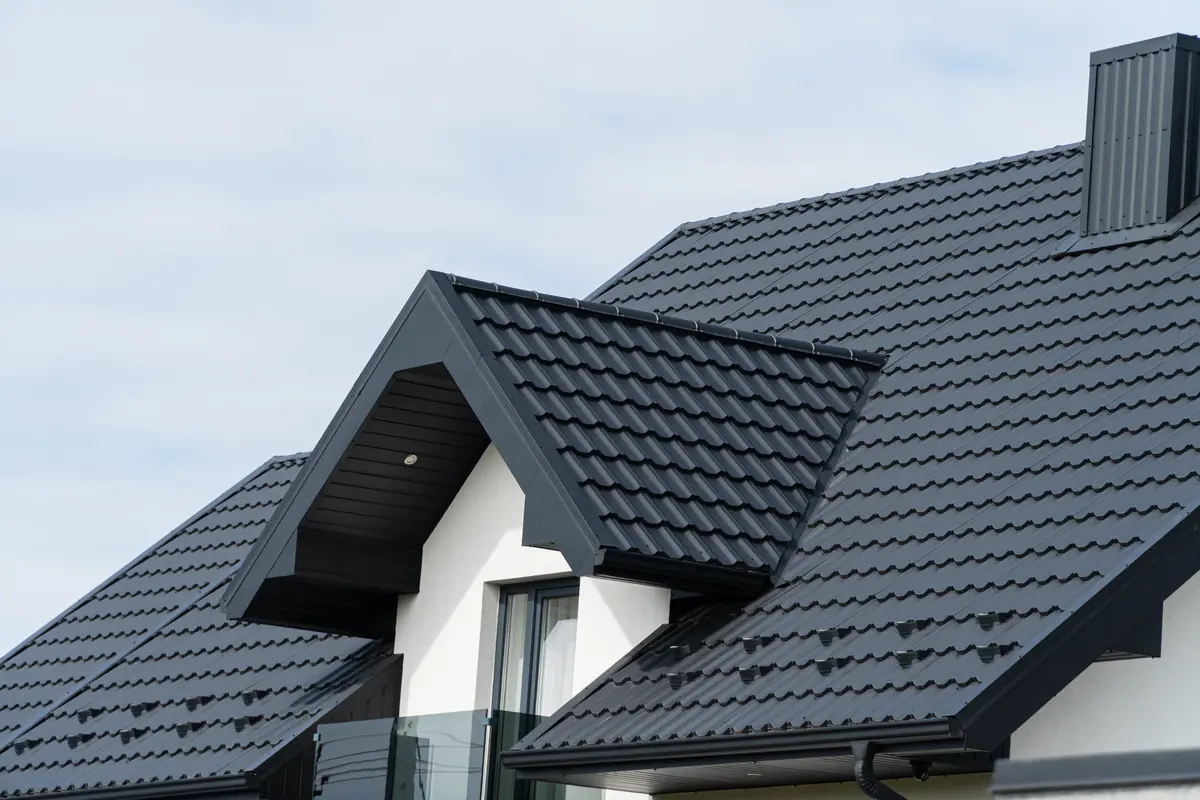
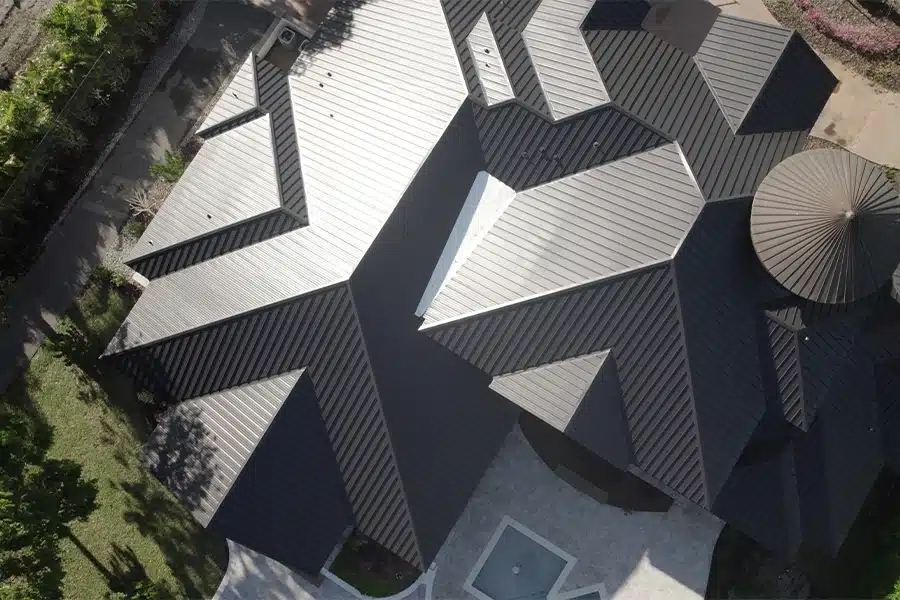
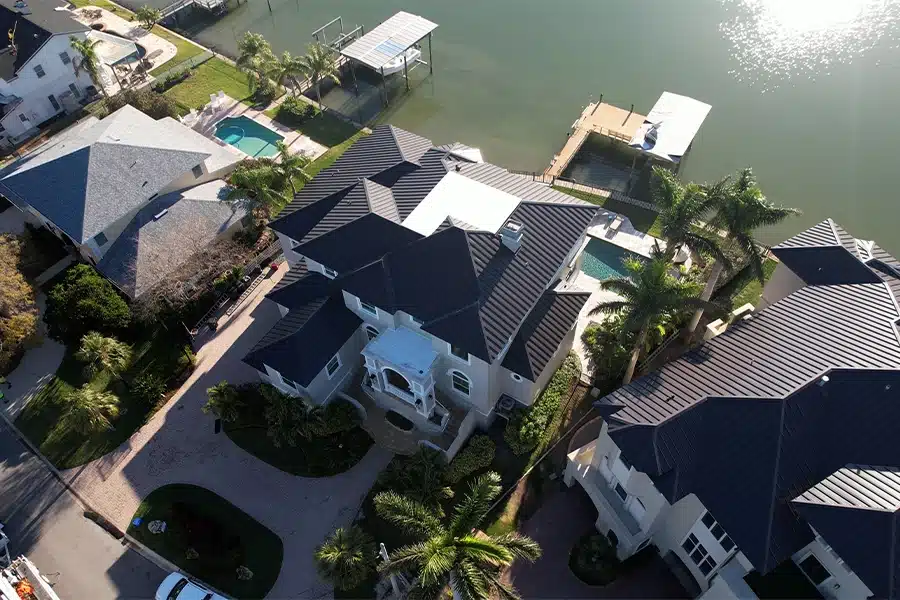
In Citrus Park, Florida, and the surrounding Tampa Bay area, roof color greatly affects your home’s energy efficiency. Dark roofs absorb more heat, raising indoor temperatures and increasing air conditioning use—and utility bills—during hot summers. In contrast, light-colored roofs, like gray or white, reflect sunlight and absorb less heat, keeping interiors cooler, reducing energy costs. Given the area’s warm climate, choosing a lighter roof color not only improves comfort but also lowers energy bills and reduces greenhouse gas emissions. Selecting reflective roofing materials is a smart way to boost your home’s efficiency year-round.
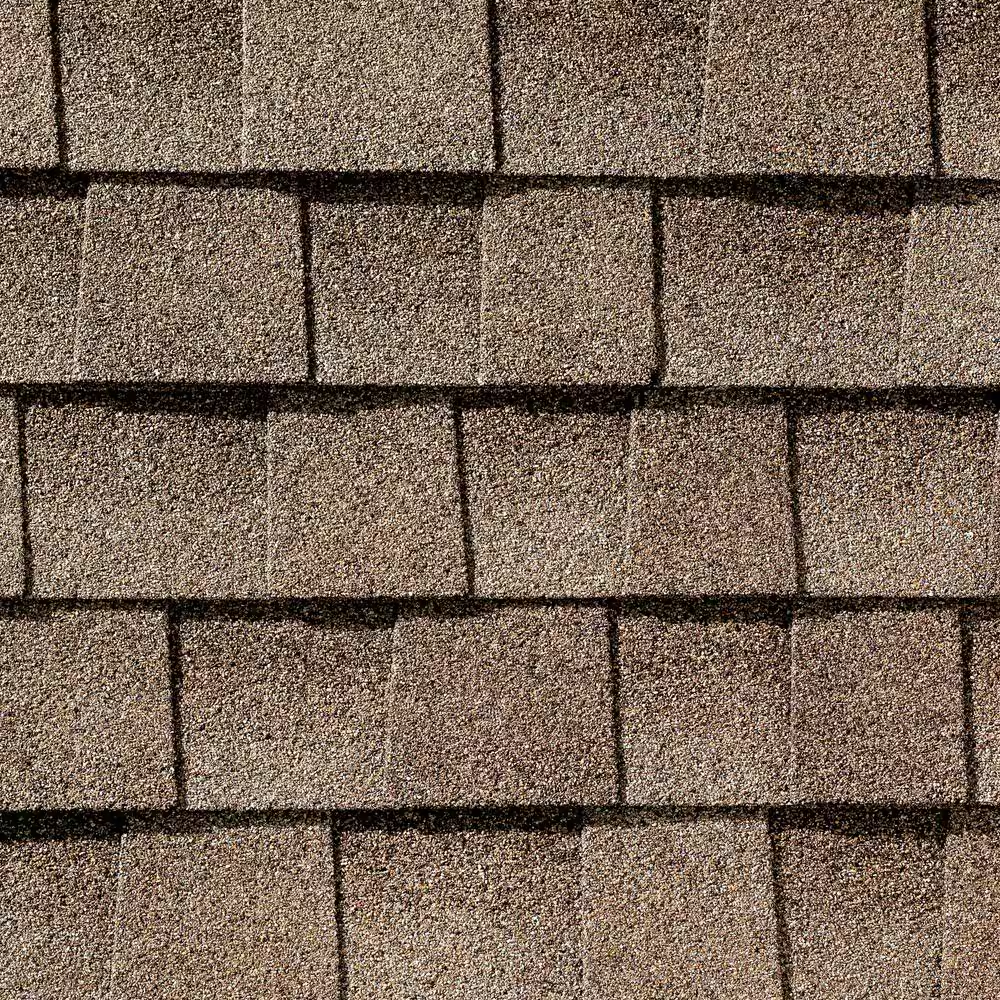
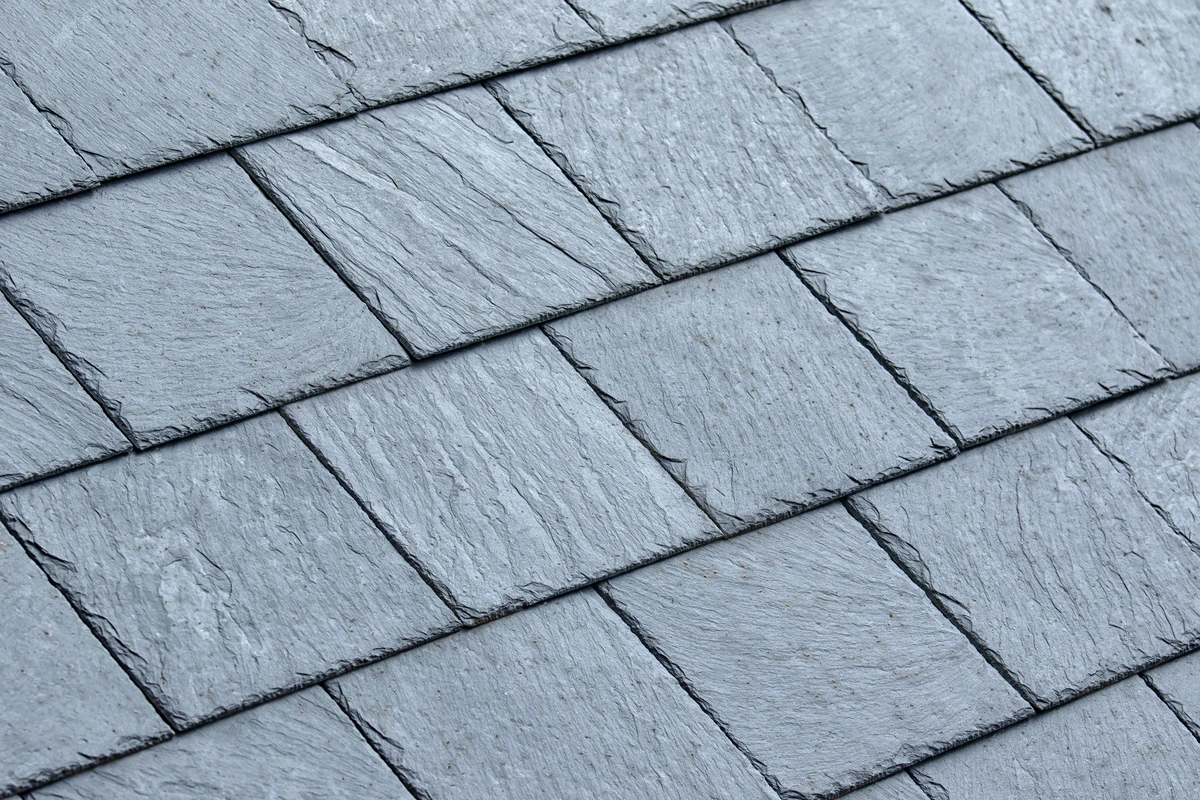
Light gray, beige, white, and sand-colored roofs reflect more sunlight and typically help homes stay cooler during periods of extreme heat. Many homeowners choose lighter roofing colors to improve energy efficiency while maintaining a clean, modern appearance.
For many homes throughout Tampa Bay, lighter roofing colors can offer a practical balance between curb appeal and long-term energy savings.
Best Roof Colors for Hot and Sunny Climates
In hot climates like Florida, reflective roofing colors generally provide the best energy performance.
Popular energy-efficient roofing colors include:
- White
- Light gray
- Beige
- Sand
- Soft tan
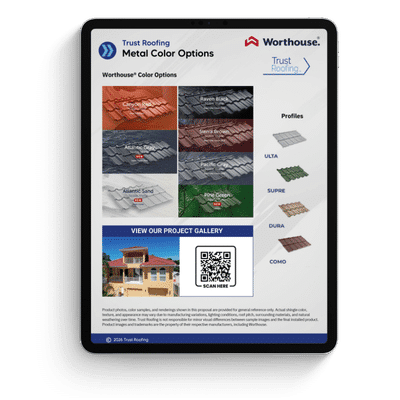
Today’s roofing manufacturers also offer “cool roof” technology designed to reflect more solar heat while still providing homeowners with a wider range of color options.
At Trust Roofing, we help homeowners compare roofing materials, color selections, and performance characteristics to find solutions that match both their home’s style and energy-efficiency goals.
Choosing Reflective Roof Shades for Energy Savings
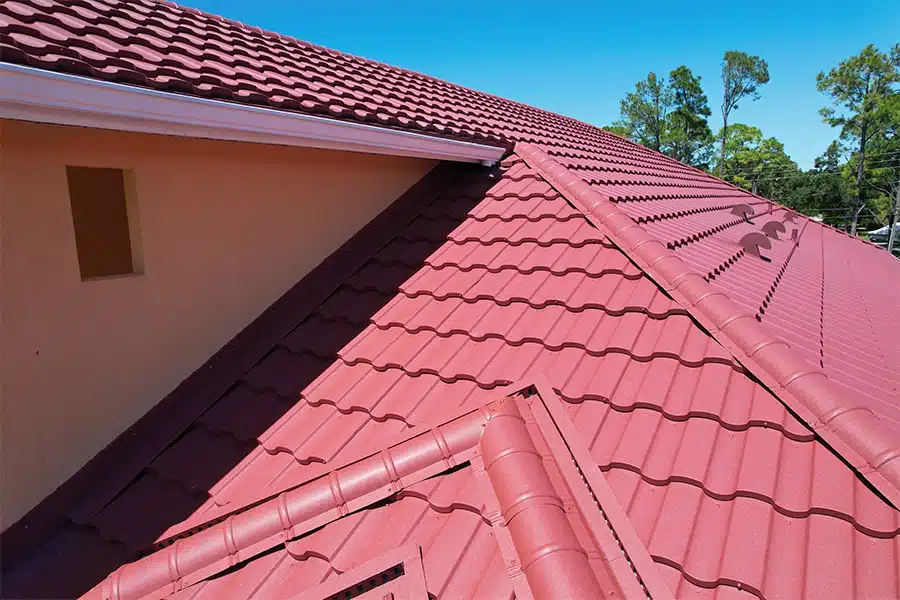
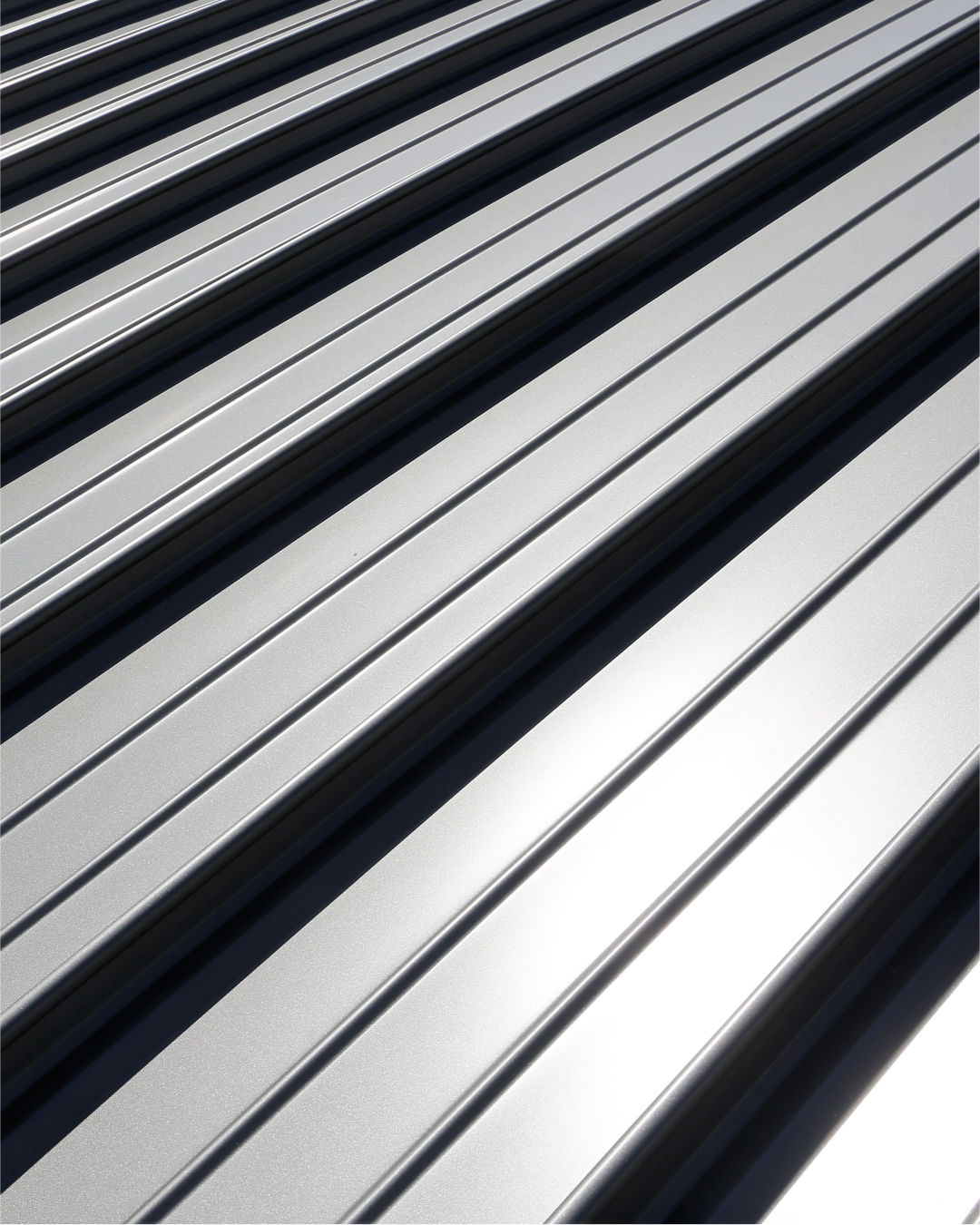
Modern roofing systems have come a long way in improving energy efficiency. Many shingles, tile systems, and flat roofing materials are now manufactured with reflective granules or coatings designed to reduce heat absorption.

These cool roof systems can help:
- Lower roof surface temperatures
- Improve indoor comfort
- Reduce HVAC workload
- Improve long-term energy performance
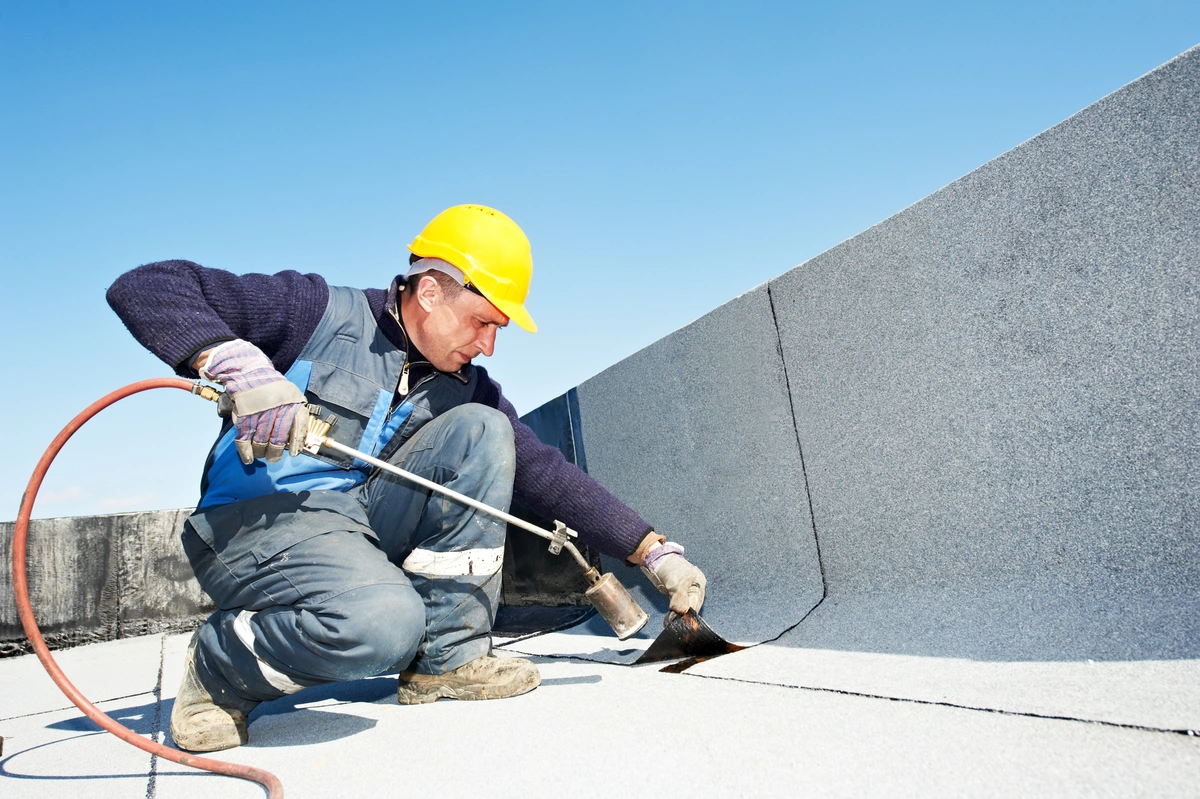
For flat and low-slope roofing systems, reflective membranes such as TPO are especially effective in Florida’s climate due to their ability to reflect UV rays and reduce heat buildup.
Local Trends and Curb Appeal in Citrus Park, Florida
While energy performance matters, homeowners also want a roof that complements the appearance of their home.
Fortunately, modern roofing manufacturers offer a wide variety of colors and styles that combine energy efficiency with strong curb appeal. Many lighter roofing colors now feature dimensional designs and blended tones that provide a more sophisticated appearance than traditional bright white roofs.
During consultations, we help homeowners evaluate:
- Roof color options
- HOA considerations
- Architectural style
- Energy performance
- Long-term maintenance expectations
This helps ensure the final roofing system performs well while still matching the overall look of the property.
Trust Roofing: Helping Tampa Bay Homeowners Make Smarter Roofing Decisions
Choosing the right roof color is about more than aesthetics. In Florida’s climate, your roofing system can directly affect indoor comfort, cooling efficiency, and long-term operating costs.
At Trust Roofing, we’ve spent more than 35 years helping homeowners across the Tampa Bay area select roofing systems designed for Florida weather conditions. Whether you’re replacing an aging roof or exploring more energy-efficient options, our team can help you compare materials, colors, and performance features that fit your home and budget.