







In sunny Citrus Park, FL, your roof takes on a lot of heat. Radiant barriers are advanced roofing materials designed to improve your home’s energy efficiency by reflecting that heat away. As a family-owned company with over 35 years of experience, Trust Roofing understands the science behind these systems. We can help you create a more comfortable and cost-effective home with this simple but powerful upgrade.
How Radiant Barriers Work in Roofing Systems
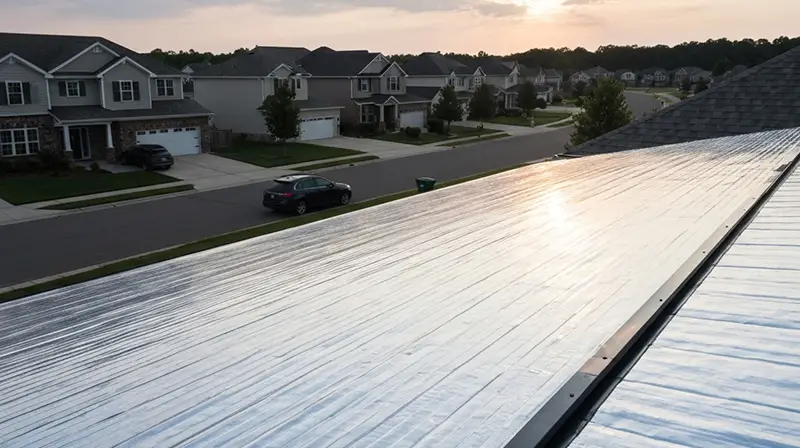
A radiant barrier is a highly reflective material that blocks radiant heat from entering your attic. Instead of absorbing the sun’s energy like traditional roofing materials, its reflective surface sends the heat back towards its source. This simple action prevents a significant amount of heat transfer into your home.
This process keeps your attic and living spaces cooler, especially during the hot Florida summers. Understanding the science of how these barriers work and how they are installed makes it clear why they are such an effective solution for local homes. Let’s look at the core principles and their impact.
Scientific Principles: Reflectivity and Emissivity Explained
Reflectivity and emissivity are essential concepts in understanding radiant barrier performance. Reflectivity refers to a material’s ability to reflect radiant heat, significantly contributing to a cooler attic space. Emissivity, on the other hand, measures a material’s efficiency in emitting thermal radiation. In radiant barrier materials, such as aluminum foil, high reflectivity combined with low emissivity results in reduced heat transfer through the roof, making homes more energy-efficient. This synergy minimizes heat gain, especially in sunny climates, enhancing energy savings.
How Radiant Barriers Reduce Heat Transfer in Citrus Park, FL Homes
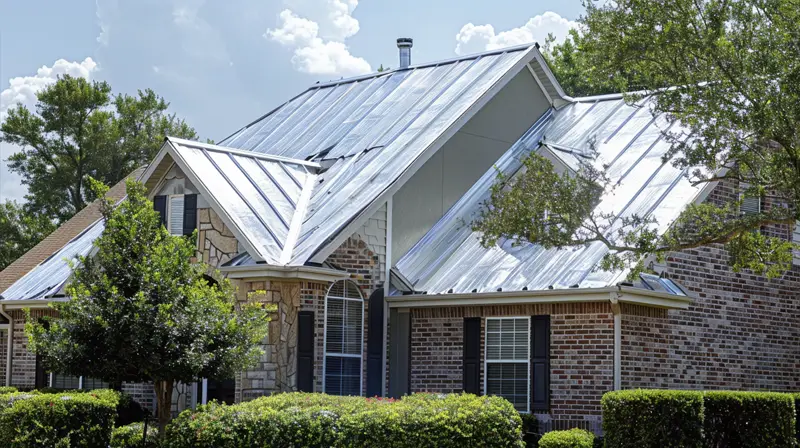
Radiant barriers play a vital role in minimizing heat transfer, particularly in the hot and sunny climate of Citrus Park, FL. By utilizing reflective insulation systems, these barriers effectively combat the radiant heat gain from solar energy on the roof decking. The added layer of radiant barrier foil not only reflects thermal radiation away from the attic but also enhances attic ventilation. This strategic approach helps maintain a cooler attic temperature, ultimately reducing energy costs by easing the load on air conditioners during peak heat.
Materials Used in Radiant Barrier Roofs
The most common and effective radiant barrier materials use a highly reflective material, almost always aluminum foil. This foil is bonded to a substrate like kraft paper, plastic film, or even roof sheathing to provide durability and structure. The key is the shiny, metallic surface that does the work of reflecting heat.
At Trust Roofing, we use only premium radiant barrier materials that meet the highest industry standards. As a GAF Certified and IB Roof Systems Approved Applicator, we ensure the products we install deliver superior performance and longevity for your home.
Foil-Based Solutions and Advanced Technologies
There are several types of radiant barrier systems for residential and metal buildings. The most common is a reinforced aluminum foil sheet—lightweight and easy to install. More advanced options use bubble layers between foil sheets, reflecting heat and preventing moisture buildup. For attics, perforated foil allows moisture to escape and prevents mold. Whether you need a solution for a new shingle roof or an existing metal building, Trust Roofing will help you choose the right radiant barrier. As a “Neighborhood Fav” on Nextdoor, we deliver trusted results.
Air Space and Its Influence on Radiant Barrier Performance
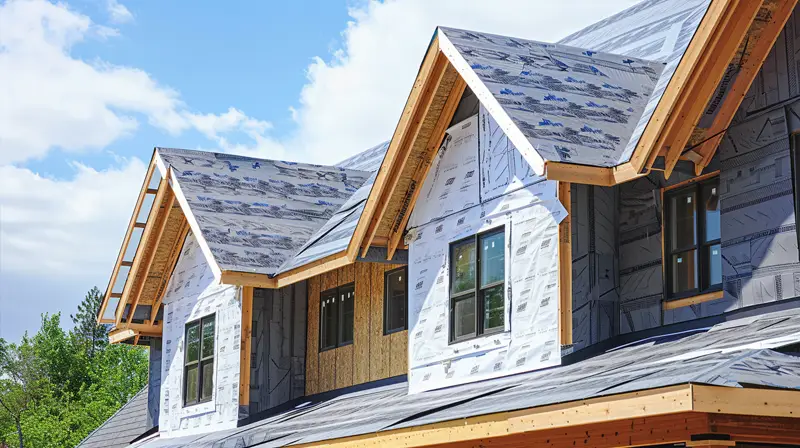
An air space is crucial in optimizing the effectiveness of a radiant barrier system. This gap acts as an insulating medium, minimizing heat transfer due to conduction and convection. When strategically positioned between the underside of the roof and the radiant barrier foil, it enhances the reflective insulation’s ability to impede radiant heat gain. Proper installation of this air space increases attic ventilation and maintains a cooler attic temperature, ultimately leading to improved energy efficiency and comfort in homes throughout warmer climates like Citrus Park, FL.
Radiant Barriers vs. Traditional Insulation
It’s important to understand that radiant barriers and traditional insulation work differently. Traditional attic insulation, like fiberglass, slows down heat transfer through conduction and convection. It acts like a thick blanket to keep heat from moving through it.
In contrast, radiant barrier insulation reflects radiant heat. It doesn’t slow heat down; it stops it from being absorbed in the first place. These two reflective insulation systems are not mutually exclusive—in fact, they work best when used together.
Improving Attic Insulation Efficiency with Modern Methods
A radiant barrier significantly boosts attic insulation efficiency. While traditional insulation slows heat already in the attic, a radiant barrier blocks much of it from entering. This combination creates a more effective thermal shield, keeping your attic cooler and improving overall insulation performance for stable indoor temperatures. The result is lower energy bills and greater comfort. As a BBB A+ Rated company, Trust Roofing delivers modern solutions like combined insulation—one of the smartest upgrades for Florida homes.
Combining Radiant Barriers with Existing Roof Systems
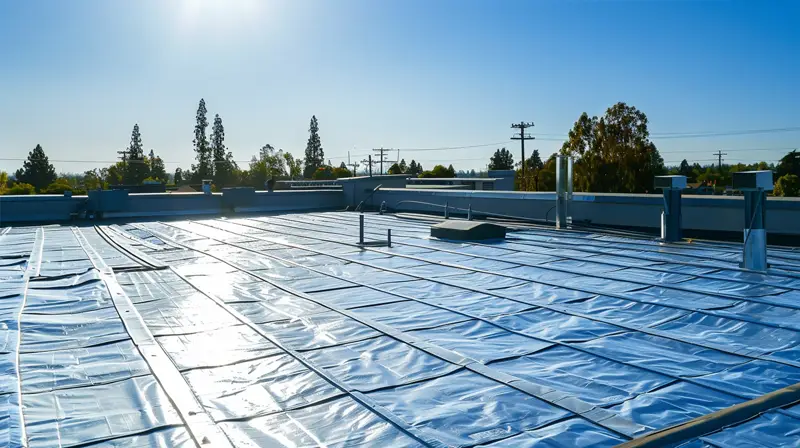
Integrating radiant barriers with existing roofing systems can significantly enhance energy efficiency in homes. Placing reflective insulation products, such as aluminum foil or kraft paper, beneath the roof sheathing effectively minimizes radiant heat transfer. This technique utilizes the reflective surface of radiant barrier materials to redirect solar energy, reducing attic temperature and alleviating stress on air conditioners. Proper installation is crucial to ensure optimal performance, maximizing the benefits of this innovative solution while preserving the structural integrity of the roof.
Energy Efficiency and Real-World Benefits for Citrus Park Residents
For residents in Citrus Park, the primary benefits of radiant barrier foil are improved energy efficiency and significant energy savings. By reflecting the intense Florida sun, these barriers dramatically reduce the amount of heat that enters your home, leading to lower energy costs. This simple technology directly translates to a more comfortable living environment and less strain on your wallet. We’ll explore how this translates into lower cooling bills and how choosing Trust Roofing ensures you get recognized, high-quality service.
Lower Cooling Costs and Enhanced Comfort Year-Round
Implementing radiant barrier systems significantly reduces cooling costs for Citrus Park residents. By reflecting radiant heat energy, these barriers effectively lower attic temperatures, thus minimizing the workload on HVAC systems. With proper installation, the attic space remains cooler during hot climates, directly impacting energy bills. Enhanced comfort results from mitigating radiant heat gain, allowing for consistent indoor temperatures year-round. Homeowners can enjoy a more energy-efficient living environment while reaping the benefits of innovative roofing technologies designed to improve home cooling.
Sustainability Advantages and Recognition for Trust Roofing
A radiant barrier is most effective in hot, sunny areas like Citrus Park, FL. It boosts energy efficiency and lowers your home’s carbon footprint for greater sustainability. Trust Roofing is a proven industry leader, recognized by awards like the INC 5000. We’re approved applicators for top brands such as Johns Manville and Versico Roof Systems. With over 1,000 5-star Google reviews, our reputation speaks for itself. Count on us for reliable, high-quality service for all your thermal insulation needs.
What`s Next
Optimal energy efficiency is vital for homeowners, especially in sunny climates like Citrus Park, FL. The integration of radiant barrier systems can significantly enhance attic insulation, leading to lower energy costs and more comfortable living conditions year-round. By effectively reducing radiant heat transfer, these advanced materials demonstrate their value compared to traditional insulation methods. Moving forward, adopting reflective insulation systems not only promotes sustainability but also can lead to significant energy savings, making radiant barriers a practical choice for any roofing project.
Frequently Asked Questions
Does spray on radiant barrier really work?
Spray-on radiant barrier products are less effective than foil-based reflective insulation. While they can lower the emissivity of a surface, they only reflect about 75% of heat, whereas foil reflects up to 96%. For maximum performance in reducing heat transfer, we recommend foil barriers.
What is the downside of radiant barriers?
The main downside of a radiant barrier comes from improper installation. If installed without an air gap, it will not work. Dust accumulation can also reduce reflectivity over time. With professional installation from Trust Roofing, these potential issues are avoided, ensuring you get maximum energy savings.
Read our blog: Best Roof Types for Multi-Family Housing