





For commercial roofing, a durable and leak-proof system is not just a preference; it’s a necessity. Thermoplastic polyolefin (TPO) membranes offer a modern solution, and the key to their performance lies in the welding process. As your GAF Certified and BBB A+ Rated roofing experts in Clearwater, FL, we at Trust Roofing ensure every TPO installation meets the highest standards, providing you with a roof you can depend on for years to come.
What Is TPO Welding and Why Is It Essential for Roofing?
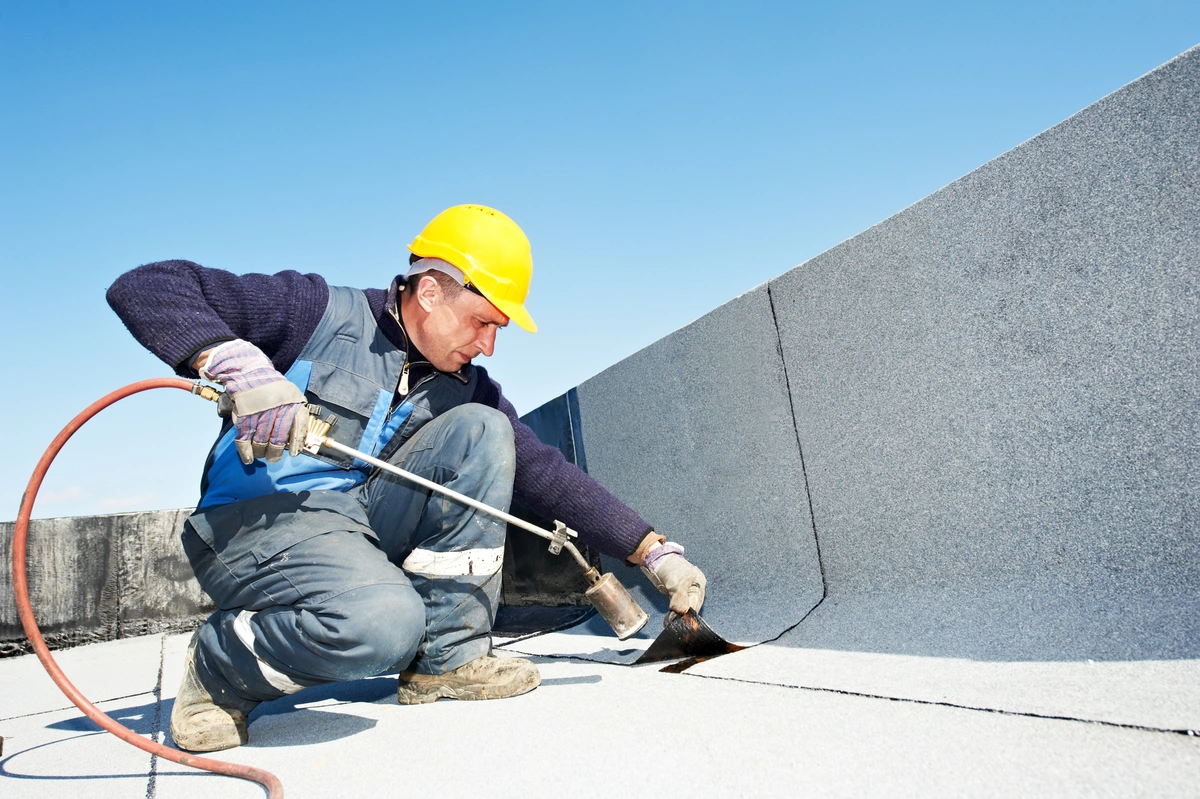
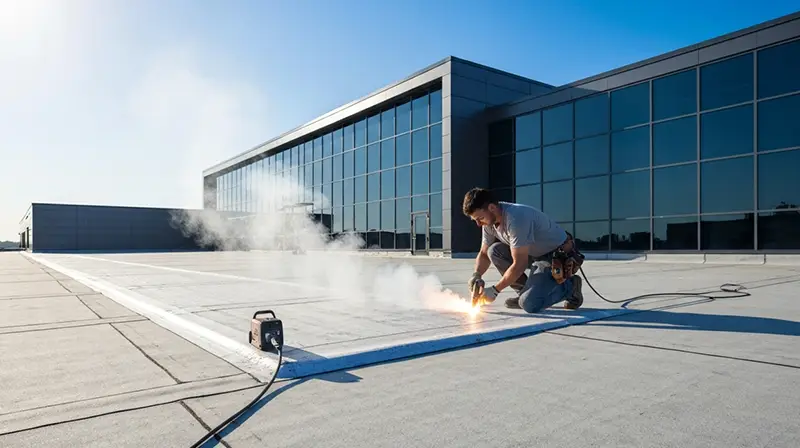
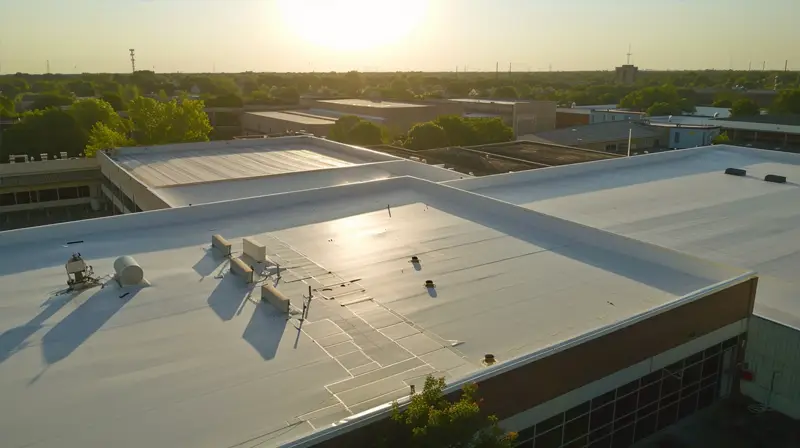
TPO welding uses hot air to fuse overlapping membranes into a seamless, durable roofing layer. This thermal bond is stronger than adhesives or tapes, creating a permanent, waterproof seal—ideal for commercial roofs, especially flat or low-slope surfaces prone to pooling. With over 1,000 five-star reviews as a family-owned company, we know welded seams are key to long-lasting roof performance. Let’s break the process into clear steps for project success.
Benefits of Using TPO Membranes in Clearwater, FL
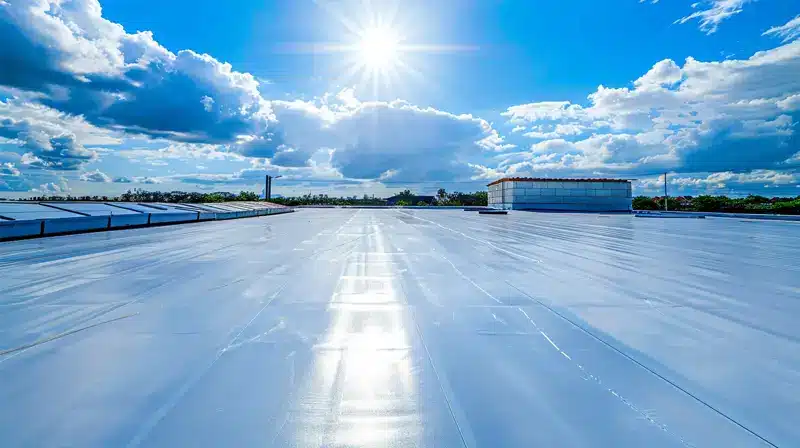
TPO membranes are ideal for Clearwater, FL’s climate. Their high reflectivity cuts energy and cooling costs by deflecting UV rays and UV radiation. Heat guns used during installation create watertight seams, boosting leak protection—essential for the area’s frequent rain. TPO also withstands extreme weather conditions and environmental stressors, ensuring long-lasting durability. Easy to install with strong welds, TPO is a top choice for commercial and industrial roofing projects.
Key Steps in the TPO Welding
At Trust Roofing, our certified team uses advanced hot air equipment to expertly weld TPO seams into a seamless, watertight surface that can withstand various environmental stressors, showcasing TPO’s resistance to such challenges. As an increasingly popular technique, our professional roof installations ensure every weld is consistent and exhibits uniform seam quality, strong, and built to last—delivering the reliability you expect from our quality welding services. The quality of your TPO roof depends on precise welding. That’s why we emphasize thorough surface preparation and expert heat application, ensuring we steer you in the right direction for flawless results every time.
Setting Up for Lasting Results
Proper surface preparation is crucial for a durable TPO weld with ease of installation in mind. We thoroughly clean welded areas and overlaps to remove dust, moisture, and residual debris that can weaken the bond. A spotless surface ensures full fusion of thermoplastics, especially the bottom ply, a strong seal, and better heat retention over extensive areas. Poor cleaning causes most weld failures and compromises the integrity of the weld. Following manufacturer guidelines is required for our 10-year workmanship warranty. Careful cleaning prevents seam contaminants, reducing weak spots and leaks over time. Our attention to detail ensures quality and long-term performance.
Hand vs. Machine Welding
Choosing the right TPO welding tools is key for strong, reliable welds. Hand welding gives precise control for small repairs but can be labor-intensive and uneven. Machine welding is more efficient and consistent, ideal for larger TPO welding projects and large areas. Automated hot air tools speed up work and maintain quality, especially in commercial roofing. There are three most common reasons to select hand or machine welding based on your project’s size and needs.
Safety Tips for Welding TPO Membranes
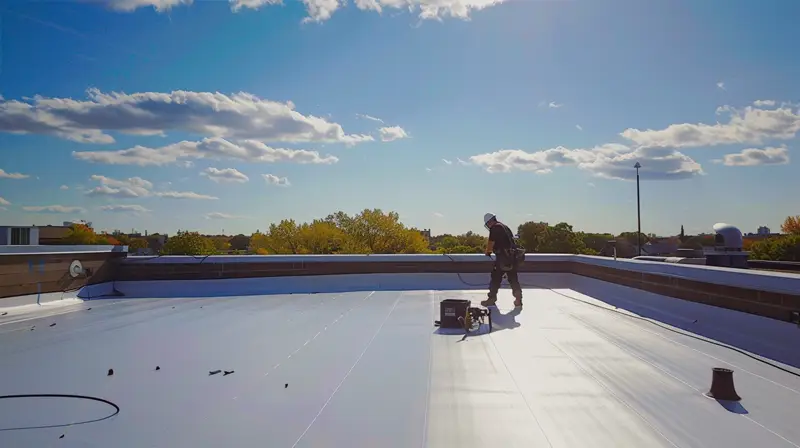
Properly welding TPO roofing membranes requires skill and strict adherence to best practices. Our certified crews follow industry standards, perform test welds to adjust for changing weather conditions, and ensure strong seams for any project using the primary tools needed. TPO welding creates high-performance joints and reduces labor time. Safety is our top priority in Clearwater—our team uses hot air tools and follows strict protocols to protect your property and crew. As an INC 5000-recognized company, we ensure all technicians are fully trained in safe equipment operation.
Inspecting Weld Seams and Avoiding Common Mistakes
Effective inspection of weld seams is essential for successful welding TPO roofing’s integrity and ensuring the weld’s integrity, particularly at the top layer. Begin by checking for weak spots from debris or improper heating, which can affect the formation of an air dam. Use a seam probe to detect inconsistencies and ensure joints meet manufacturer standards. Conduct a final inspection to identify common errors such as poor sheet overlap and incorrect hot air tool settings, which weaken the bond. Regularly inspect seams and perform test welds to maintain quality. By following these steps, contractors improve reliability and durability, ensuring roofing systems withstand environmental stress.
Get in Touch
In conclusion, understanding the TPO welding process is key for durable, large-scale roofing applications and various construction projects due to TPO’s flexibility and puncture resistance. At Trust Roofing, we prioritize precise TPO welding from preparation to inspection. Our 10-year workmanship warranty, INC 5000 ranking, and A+ BBB rating demonstrate our commitment to quality. Based in Clearwater, FL, we are GAF Certified and approved applicators for IB Roof Systems, Johns Manville, and Versico Roof Systems. Choose Trust Roofing for reliable, dependable results and a reliable choice for your roofing needs.
Read our blog: Signs Your Commercial Roof Needs Immediate Repair
Frequently Asked Questions
What temperature do you weld TPO at?
The ideal temperature for TPO welding varies with membrane thickness and weather. Our certified technicians perform test welds in small areas to optimize hot air temperature and speed, ensuring a strong bond per manufacturer recommendations while considering the required size and energy consumption. Adjustments are often necessary for optimal results.
What is TPO welding?
TPO welding is a process that uses a hot air welder’s nozzle, which is one of the versatile tools, to fuse the seams of TPO sheets and overlapping sheets of TPO roofing material, ensuring the high performance of the resulting joints of TPO sheets. Let’s break it down into clear, manageable steps. This technique melts the membranes together, creating a permanent, watertight bond that is stronger and more reliable than adhesives for a variety of applications.