






When people think about roofing, they usually focus on what they can see—shingles, tiles, or surface materials. But through years of inspections and roofing projects across the Tampa Bay area, we’ve seen that long-term performance, especially on flat roofs and roof deck systems, is determined by what lies beneath the surface. In recent projects in Clearwater, Florida, overlooked roof decking issues led to premature failures before waterproofing or walkable systems were even fully in service. Roof decking forms the structural foundation of the entire roofing system, and its condition directly impacts waterproofing performance, durability, and overall lifespan.
Understanding Roof Decking and Its Importance
Roof decking is the structural foundation of your entire roofing system. It provides the solid base that supports everything above it, from shingles to metal panels, and plays a major role in how well your roof performs over time. Proper installation of decking materials, such as plywood or OSB (an engineered wood panel commonly used for roof decking), is critical to maintaining structural stability. Routine inspections help identify early signs of deterioration before they lead to leaks, moisture intrusion, or costly repairs.
What Is Roof Decking?
Roof decking—also called sheathing—is the structural layer installed over your roof’s rafters or trusses. It forms the base that all roofing materials attach to and plays a critical role in the roof’s overall stability and performance. When properly installed and sealed, roof decking helps prevent water from penetrating past the roofing surface and into the attic, protecting the structure from moisture damage and rot.
Without sound decking, even high-quality roofing materials are at risk of premature failure. That’s why roof decking is a fundamental part of any roofing project, whether it’s new construction, a roof replacement, or preparation for a roof deck system. Most decking is made from plywood or OSB—an engineered wood panel designed for structural use—and evaluating its condition is a necessary first step before any waterproofing or surface materials are installed.
How Roof Decking Supports the Entire Roofing System
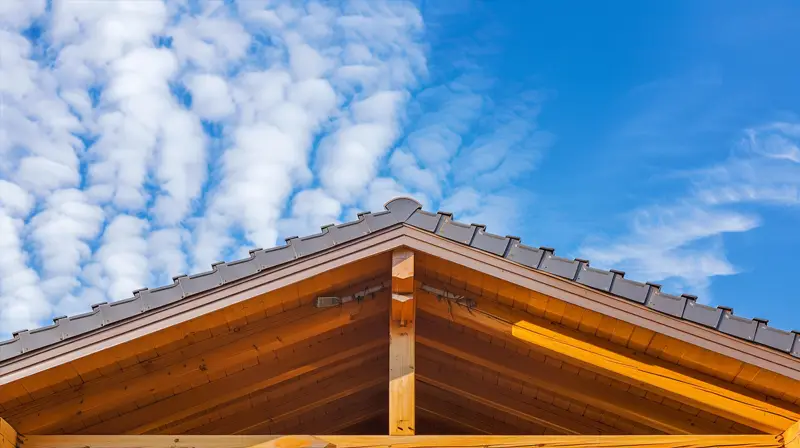
An essential component, roof decking serves as the sturdy foundation for your roof structure, protecting against extreme weather conditions and providing structural support. It interacts with various roofing components, ensuring the optimal performance of your entire roofing system. Proper installation and regular inspections of the decking material help maintain the integrity of your roof, preventing moisture damage and other potential issues. When the roof deck is in good condition, it contributes to the overall longevity and efficiency of the roofing system, giving homeowners peace of mind.
Types of Roof Decking Materials for Florida Homes
Choosing the right decking material is essential for a long-lasting roof, especially in Florida’s humid climate. The most common options are wood-based panels, which offer a balance of strength, availability, and cost-effectiveness. The right choice depends on structural requirements, exposure conditions, and how the roof will ultimately be used.
Materials like plywood and oriented strand board (OSB) are widely used for their reliability when properly installed. However, decking selection becomes even more critical when a roof is being prepared for waterproofing or a walkable roof deck system. These systems rely entirely on the stability and condition of the deck beneath them—meaning any deficiencies in the substrate will eventually show through at the surface. That’s why proper installation and evaluation by a qualified roofing contractor is essential before any waterproofing membrane or roof deck material is applied.
Plywood and OSB: Popular Choices in Clearwater
In our inspections across the Tampa Bay area, including projects in Clearwater, Florida, plywood and OSB are the most common roof decking materials we encounter. Both are widely used because they offer a practical balance of strength, availability, and cost when installed correctly.
Plywood is made from layered wood veneers, which gives it strong structural performance and slightly better resistance to moisture-related issues. OSB—short for oriented strand board—is an engineered wood panel made from compressed wood strands and is commonly used in residential roofing for its consistency and load-bearing capability. When properly installed and protected, either material can provide a solid, long-lasting foundation for a roofing system.

Specialty Materials for Enhanced Durability
In certain situations, standard wood decking may not be the best option. On roofs exposed to higher loads, heavier foot traffic, or more demanding environmental conditions, specialty decking materials can offer added durability. Options such as metal decking or fiber-reinforced composite panels provide increased strength and resistance to moisture-related deterioration.
These materials are often used in commercial applications or in systems where long-term waterproofing performance is critical. While not required for every project, selecting the right decking material based on how the roof will be used can significantly extend the lifespan of the roofing system and reduce the likelihood of future repairs.
Signs Your Roof Decking May Be Compromised
Over time, roof decking can deteriorate due to age, moisture exposure, or prolonged stress. Catching these issues early is critical, as decking problems often develop out of sight and worsen long before surface materials fail. Common warning signs—such as water stains on ceilings, soft spots, or a noticeable sag in the roofline—typically point to underlying decking issues rather than surface-level problems.
In our inspections across Tampa Bay, we frequently see small decking defects turn into major structural and moisture-related failures when they’re ignored. This risk increases significantly on flat roofs and roof deck systems, where water exposure and foot traffic place greater demands on the structure beneath the surface.
Identifying Damage or Wear Early
Early indicators of decking damage often appear inside the home before they’re visible on the roof itself. Water staining, persistent moisture, mold growth, or visible warping can all signal that the decking is no longer performing as it should. Because these issues aren’t always obvious from above, professional inspections are often the only way to accurately assess the condition of the deck.
Identifying and addressing these problems early helps prevent more extensive repairs and ensures the roof system—especially waterproofing or walkable deck materials installed above—has a stable foundation to rely on.
Common Issues Affecting Roof Decking Integrity
The most common cause of decking failure is prolonged moisture intrusion. Persistent leaks allow water to saturate the decking over time, leading to rot, swelling, and loss of structural strength. On flat roofs, poor drainage and ponding water can accelerate this process even faster.
Environmental stress also plays a role. Heat, humidity, and repeated weather exposure can cause decking materials to expand, contract, and weaken. When decking is compromised, it can no longer properly support roofing or waterproofing systems—making failures more likely and repairs more costly. Regular inspections are essential to catch these issues early and protect the long-term performance of the roof.
The Impact of Roof Decking on Roof Longevity and Efficiency
The condition of your roof decking has a direct impact on how long your roof lasts and how efficiently your home performs. Decking is the structural backbone of the entire system, and when it’s compromised, every layer above it is affected. Even high-quality roofing or waterproofing materials can fail prematurely if they’re installed over a weak or deteriorating deck.
Decking also plays an important role in insulation and weather protection. Gaps, rot, or soft areas allow moisture and air infiltration, reducing energy efficiency and accelerating wear throughout the roofing system. On flat roofs and roof deck systems, these issues are amplified, as standing water, heat exposure, and foot traffic place greater demands on the structure beneath the surface. This is especially important when a flat roof is being converted into usable space, where waterproofing systems like Duradek rely entirely on the condition and stability of the decking beneath them.
Poor Decking and Its Effect on Roof Lifespan
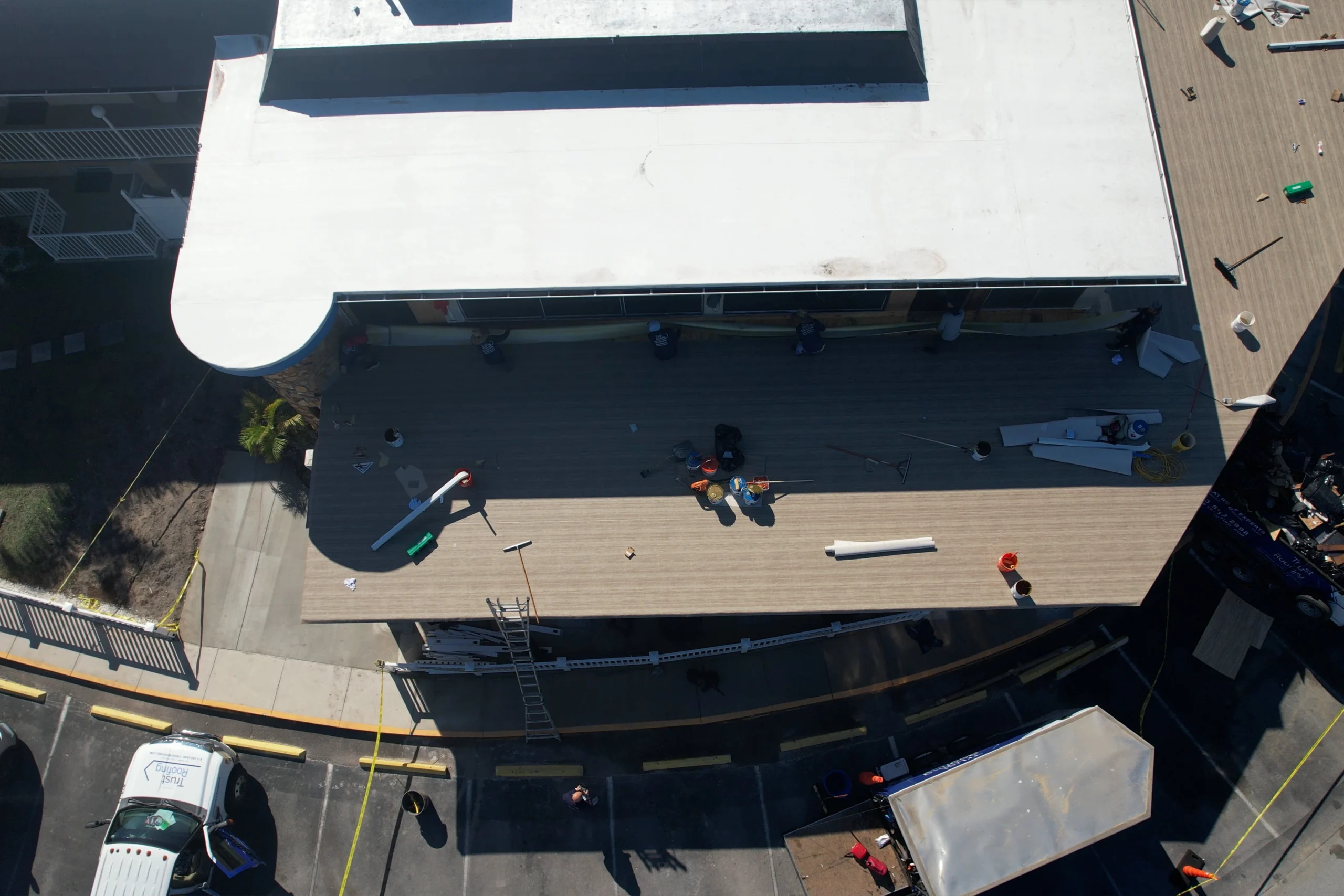
Installing a new roofing or waterproofing system over damaged decking is one of the most common—and costly—mistakes we encounter. Compromised decking cannot properly hold fasteners or support membranes, which leads to loosening materials, leaks, and accelerated deterioration. In roof deck applications, these failures often appear even sooner, as movement and moisture stress the system from above.
That’s why every project starts with a decking evaluation. At Trust Roofing, we inspect and address decking issues before installing any roofing, waterproofing, or walkable deck system. Starting with a solid foundation isn’t optional—it’s what determines whether the system performs as intended or fails prematurely.
Energy Efficiency and Weather Protection
A well-constructed roof decking system plays a key role in both energy efficiency and weather protection. Because decking forms the base of the entire roof assembly, its condition directly affects insulation performance and resistance to moisture intrusion. When the deck is solid and properly sealed, it helps limit heat transfer, reduce drafts, and maintain more consistent interior temperatures—especially during Florida’s extreme heat and storms.
On flat roofs and roof deck systems, these factors become even more important. Compromised decking allows moisture and air infiltration that can undermine waterproofing layers, increase energy costs, and shorten the life of the entire system. Investing in proper decking evaluation and preparation helps protect the structure, improve efficiency, and reduce the likelihood of costly repairs over time.
Get in Touch
Roof decking integrity is not just a structural concern—it’s what determines how long your roof lasts, how efficiently your home performs, and whether waterproofing or roof deck systems function as intended. From our experience across Tampa Bay, including Clearwater, Florida, many premature roof failures can be traced back to overlooked decking issues rather than surface materials.
That’s why every project starts with the deck. At Trust Roofing, we evaluate and address decking conditions before installing any roofing, waterproofing, or walkable roof deck system, including Duradek. When the foundation is done right, the system above it can perform the way it’s designed to. If you’re considering repairs, replacement, or converting a flat roof into usable space, starting with a proper decking assessment is the most important step.
Frequently Asked Questions
How often should roof decking be inspected in Florida?
In Florida, your roof decking should be thoroughly inspected by a professional roofing contractor during any roof replacement or repair. Regular inspections after major storms are also wise. This ensures the structural integrity of your home is maintained and complies with local building codes.
Can faulty roof decking increase your energy bills?
Yes, faulty roof decking hurts your home’s energy efficiency. Gaps or rot in the deck compromise proper insulation and can lead to moisture buildup, making your cooling and heating systems work harder. A professional roof repair can restore your roof’s efficiency and lower your bills.
Read our blog: Wind-Resistant Roof Systems Explained