


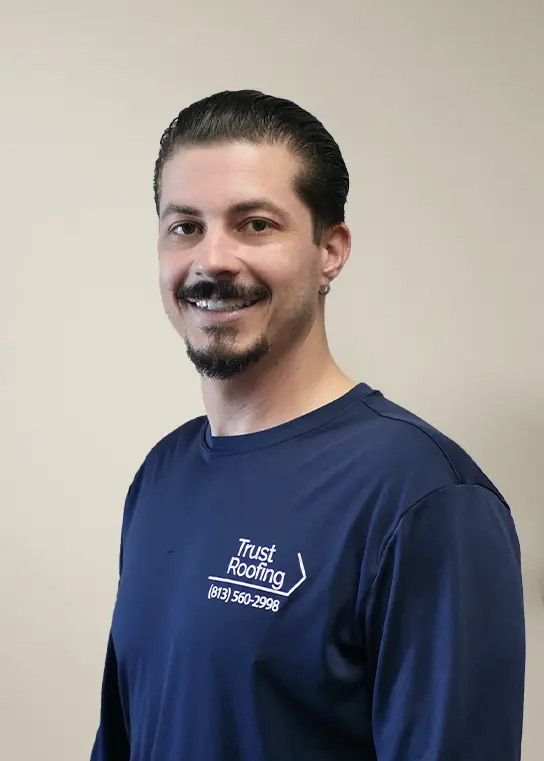
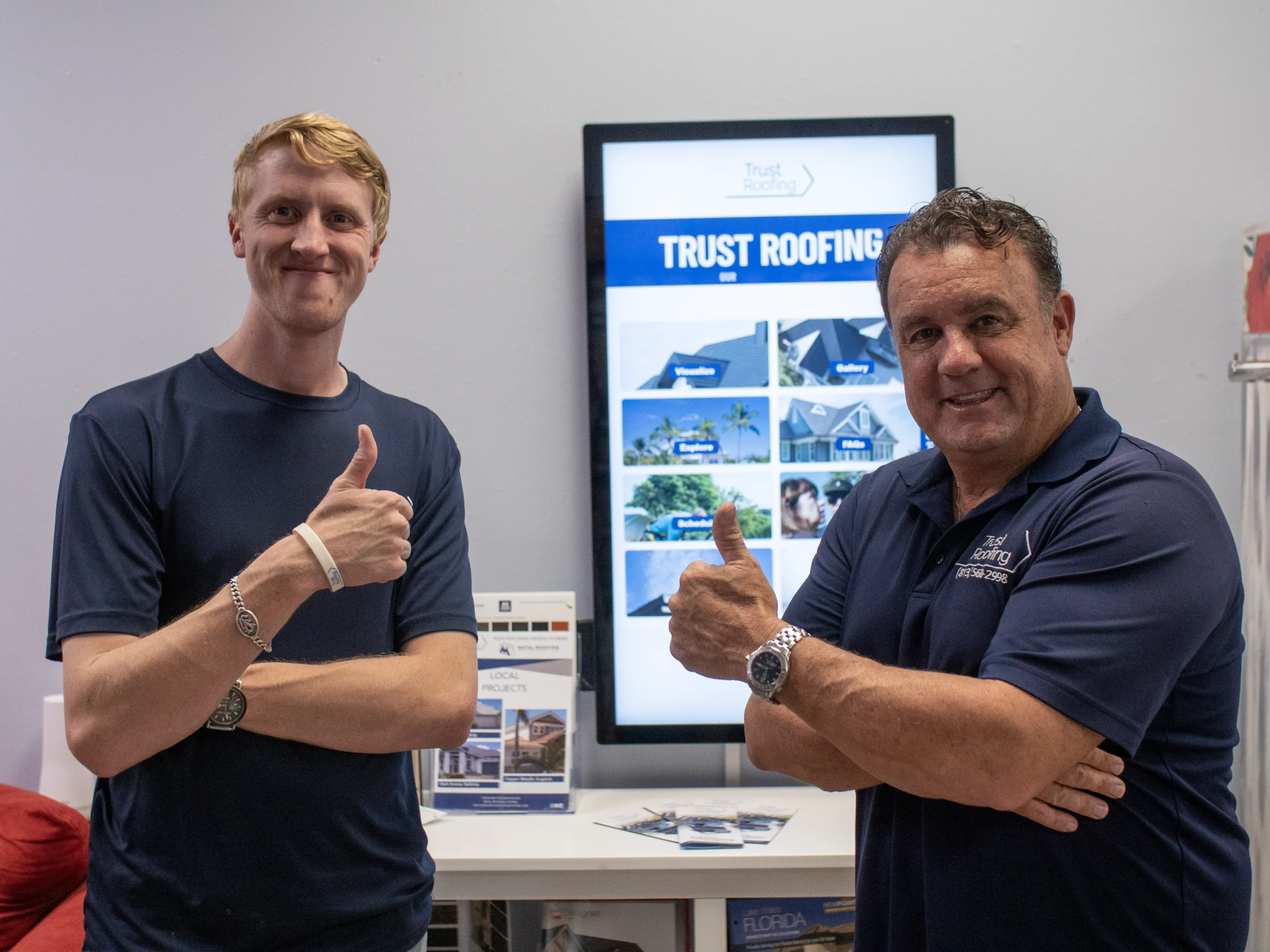

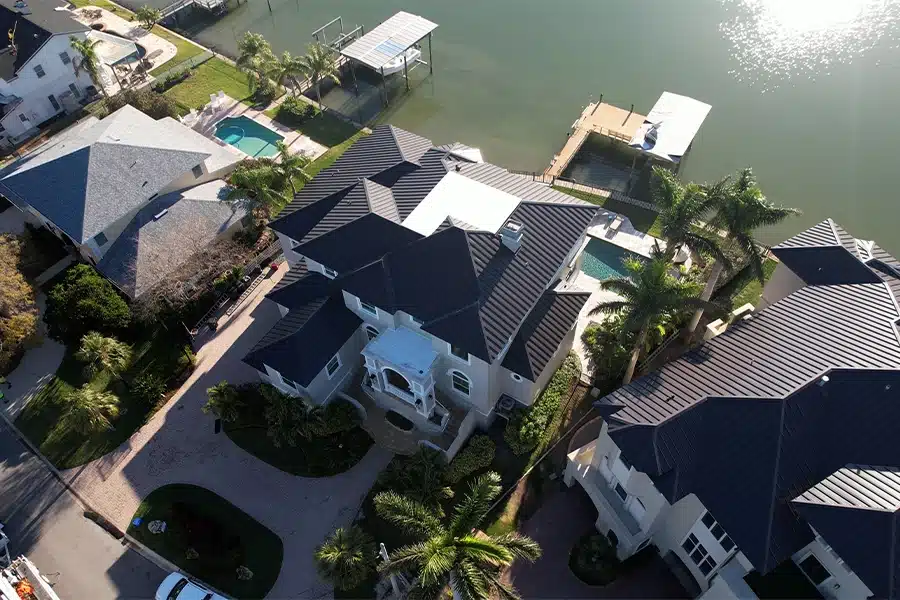

Choosing a roofing material isn’t just about looks—it’s about how well it holds up where you live. To help homeowners make sense of that decision, Trust Roofing sat down with Dallas Fikar, our Regional Sales Manager for the Westchase area, to talk through what actually works in this part of Florida.
Dallas works with Westchase homeowners every day and sees firsthand how heat, humidity, storms, and roof design affect long-term performance. In this conversation, he breaks down the roofing materials he recommends most often, the problems he sees when the wrong material is chosen, and what homeowners should realistically prioritize when replacing or upgrading a roof in this area.
Understanding Climate Impact on Roofing Choices
Trust Roofing: Dallas, when homeowners in Westchase ask you why roofing material matters so much here, what do you usually tell them?
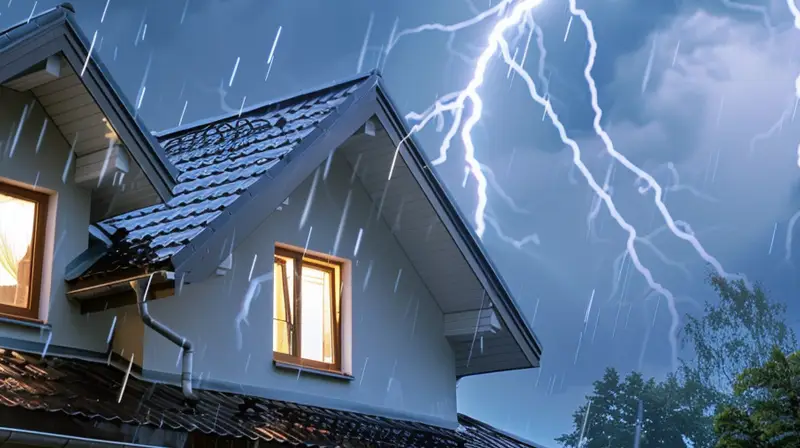
Dallas Fikar: Most people don’t realize how hard Florida is on a roof. Between the sun beating down almost year-round, the humidity, and the storms we get, some materials just don’t hold up the way homeowners expect. I see a lot of roofs fail early simply because the material wasn’t a good match for the climate—or it wasn’t installed correctly.
Trust Roofing: What happens when the wrong material is used?
Dallas: You start seeing problems way sooner than you should—shingles breaking down, leaks after storms, or repairs that keep adding up. That’s frustrating for homeowners because a roof should be something you don’t have to think about all the time. Choosing the right material from the start makes a huge difference in how long the roof lasts and how well it protects the home.
Trust Roofing: That’s what we’ll break down next—how Florida’s weather affects different roofing materials and what that means for homeowners here in Westchase.
Key Factors to Consider for Westchase, FL and Beyond
Trust Roofing: When you’re out in Westchase looking at roofs, what are the main things you tell homeowners to focus on?
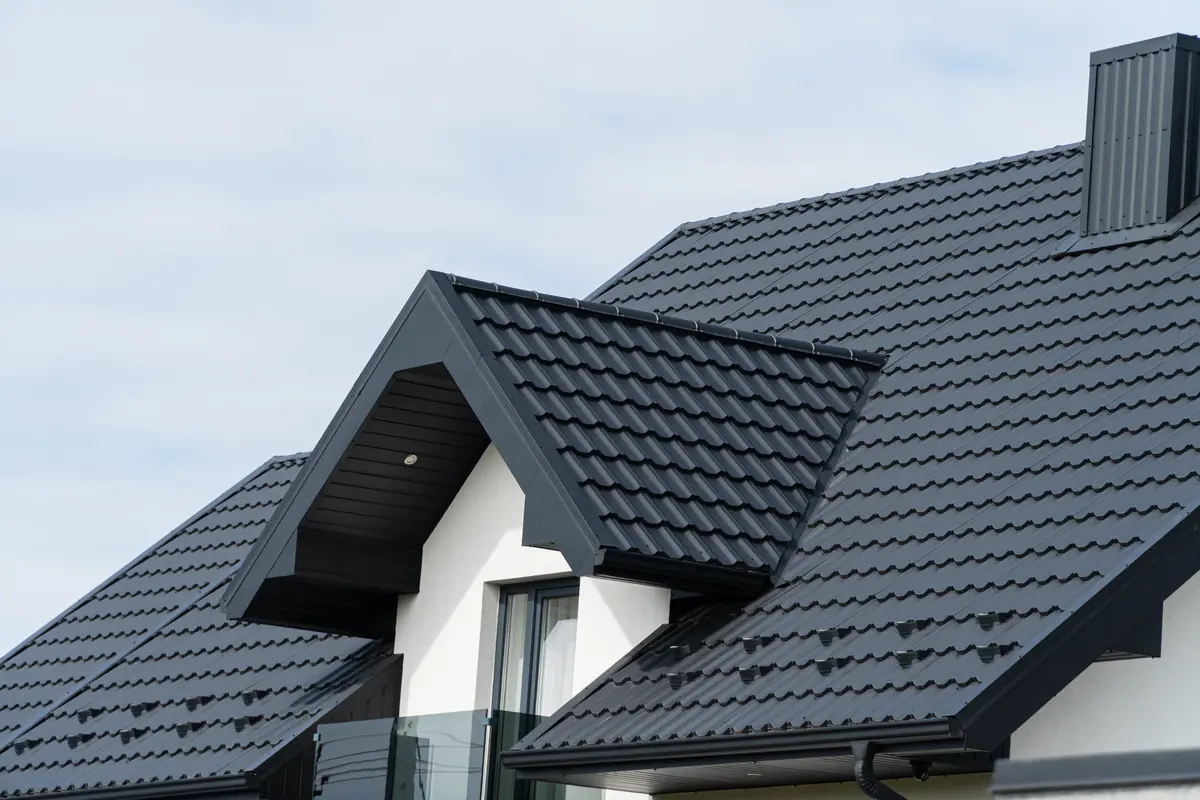
Dallas Fikar: The big one is weather. We get a lot of heat, heavy rain, and strong storms, so the roof has to be able to take a beating without falling apart early. I usually steer people toward materials that can handle wind and moisture without constant repairs—metal and architectural shingles come up a lot for that reason.
Trust Roofing: What else tends to matter most for homeowners?
Dallas: Energy costs are a big deal. Some materials do a much better job keeping heat out, which helps keep cooling bills down. I also talk to people about maintenance. A roof that looks great but needs constant attention usually isn’t worth the headache. The best choice is one that fits the home, holds up to the weather, and doesn’t become a problem a few years down the road.
Trust Roofing: And regular checkups still matter?
Dallas: Absolutely. Even a good roof lasts longer when it’s checked every so often. Catching small issues early can save a homeowner a lot of money and stress later on.
How Weather Patterns Influence Roofing Materials
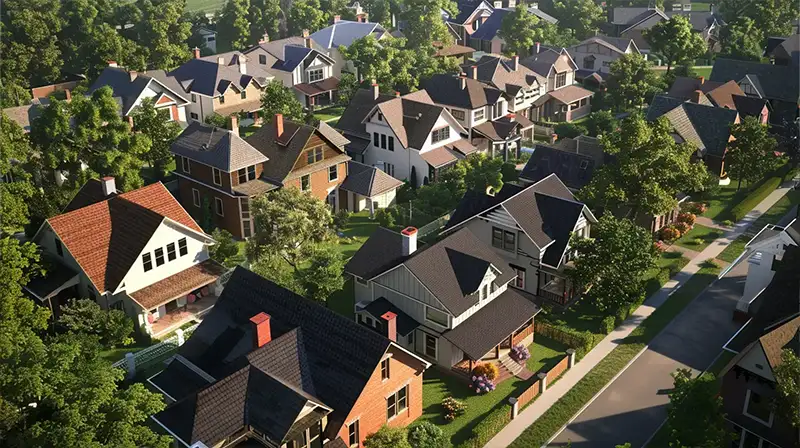
Trust Roofing: Florida weather can be rough on a roof. What kind of problems do you see most often out here?
Dallas Fikar: Heat and moisture are the big ones. The sun here is intense, and over time it can dry materials out, cause cracking, or make shingles curl. Add in the humidity, and that’s when you start seeing algae or staining, especially on roofs that weren’t designed for this climate.
Trust Roofing: Are there warning signs homeowners should watch for?
Dallas: Definitely. Curling shingles, a lot of granules in the gutters, or leaks showing up after a storm are usually signs the roof is struggling. A lot of times the roof isn’t “old,” it’s just not a good fit for Florida conditions.
Trust Roofing: How is Florida different from other parts of the country?
Dallas: Homes here really need materials that reflect heat and don’t trap moisture. What works up north doesn’t always work here. Some roofs also need more frequent checkups, especially after storm season. When we look at a roof, we’re really just asking one question—is this roof holding up the way it should for Florida? If not, we’ll walk the homeowner through better options.
The Importance of Local Building Codes and Storm Safety
Trust Roofing: Building codes come up a lot when people talk about roofing. How important are they really?
Dallas Fikar: They matter more than most homeowners realize. Around here, codes are designed with storms and high winds in mind. They’re not just paperwork—they’re there to make sure the roof can actually hold up when the weather gets rough.
Trust Roofing: How does that affect someone choosing a roofing material?
Dallas: Some materials or installation methods just won’t pass code in this area, especially with hurricane requirements. When a roof is done to current code, it’s better anchored, better sealed, and less likely to fail during a storm. That protects the roof itself, but it also protects the structure of the home underneath it.
Trust Roofing: What’s your advice to homeowners in Westchase?
Dallas: Make sure whoever you’re working with understands the local requirements and follows them closely. A roof that meets code is a roof that’s built for this area—not just for today, but for years down the road.
Popular Roofing Materials Used in the United States
Trust Roofing: Homeowners hear a lot about different roofing materials. What are the ones you end up talking about most?
Dallas Fikar: Most of the time it comes down to three options—asphalt shingles, metal, and tile. They’re popular because they work, but they’re all good for different reasons. Some homeowners are focused on budget, some want something that lasts as long as possible, and others care a lot about how the roof looks on their home.
Trust Roofing: So there’s no one-size-fits-all answer?
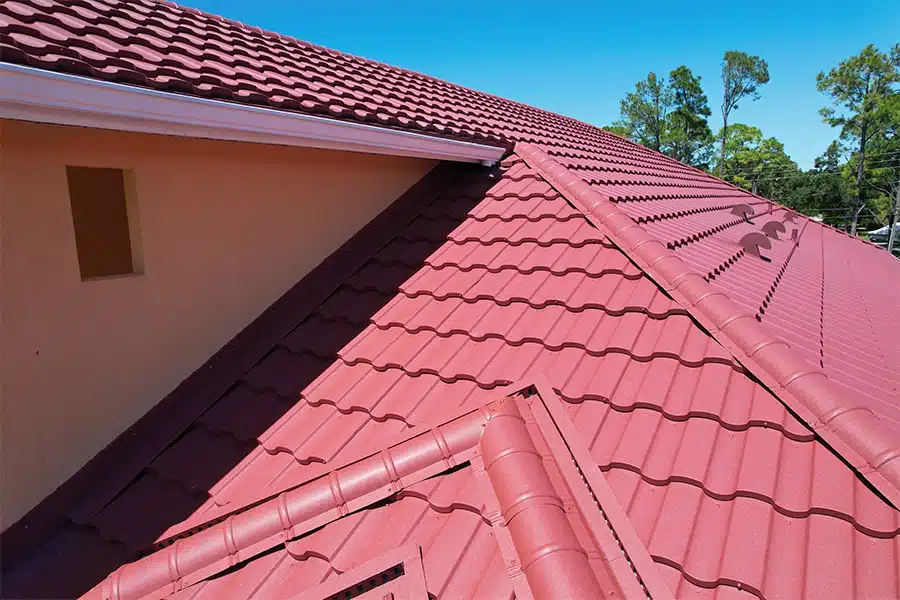
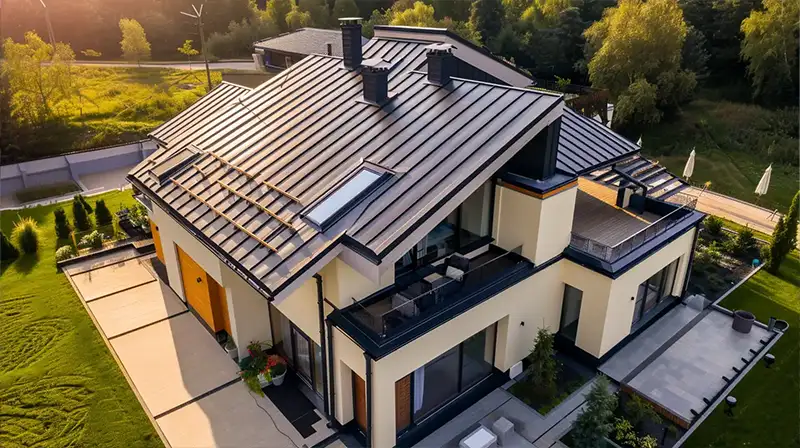
Dallas: Not at all. Each material has its pros and cons. Asphalt shingles are usually the most affordable, metal roofs are known for durability and energy savings, and tile roofs are a great fit for Florida homes that want long-term performance and a certain look. The key is understanding what you’re getting with each option before making a decision.
Trust Roofing: Let’s walk through each one and talk about where they make the most sense.
Asphalt Shingles, Metal, and Tile: What Actually Works Around Here
Trust Roofing: Let’s start with asphalt shingles. A lot of homeowners ask about them first. Why?
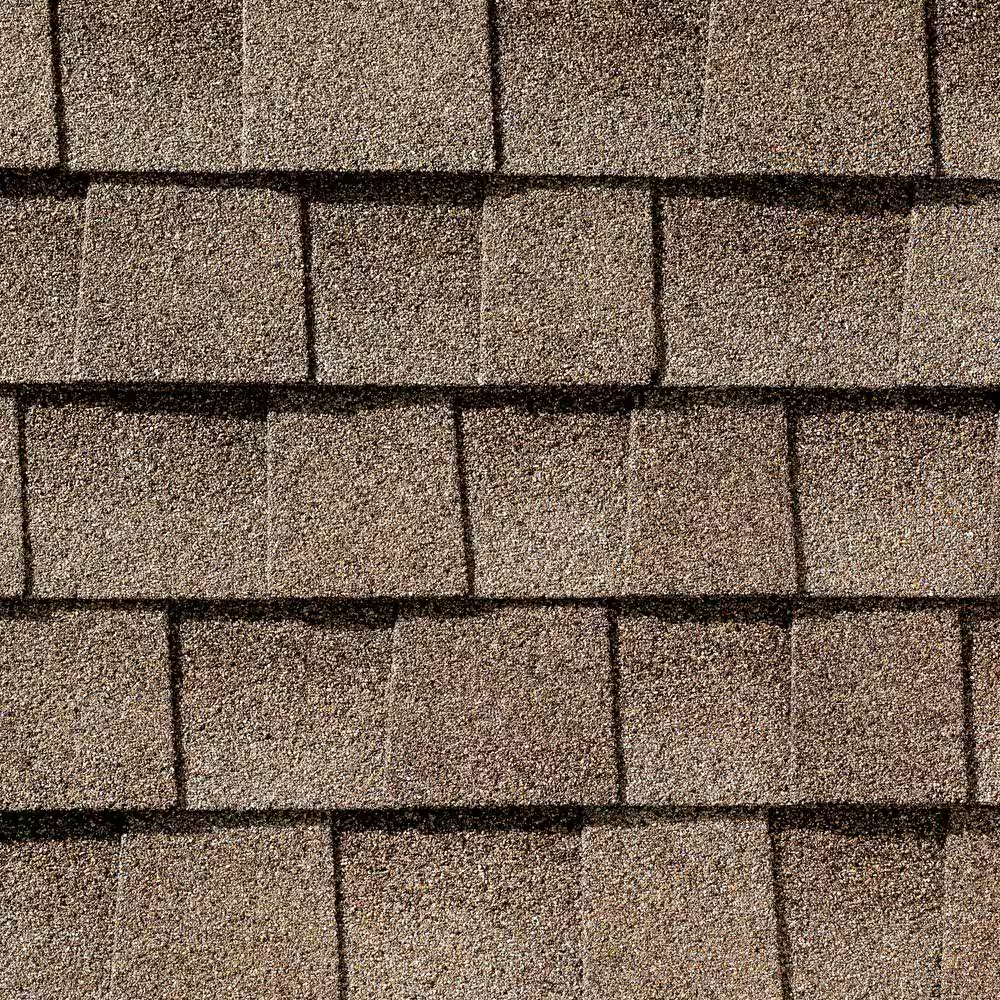
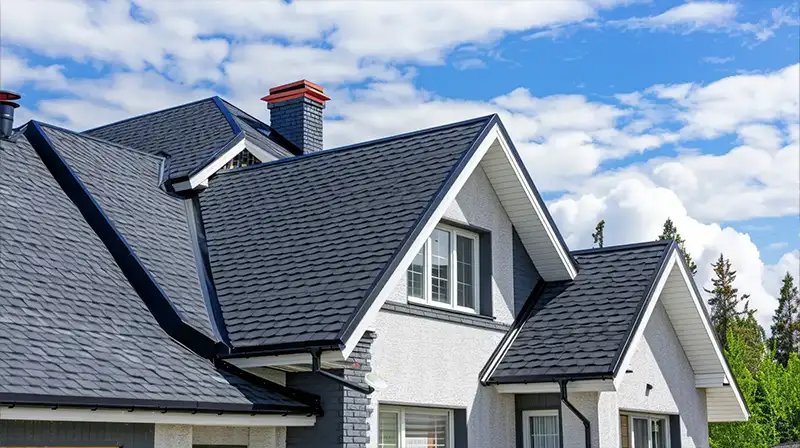
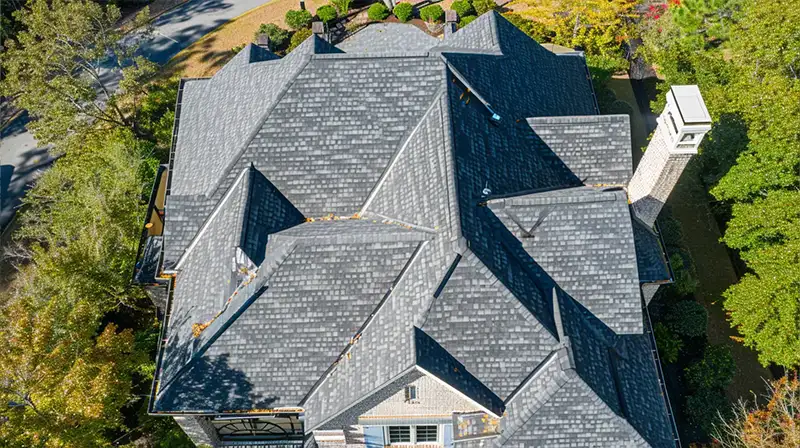
Dallas Fikar: Asphalt shingles are usually the go-to because they’re affordable and they look good on most homes. For a lot of families, they’re a practical option. That said, they don’t last as long as some other materials, especially in Florida. Heat, wind, and storms can wear them down faster if they’re not the right type or installed properly.
Trust Roofing: Are there ways to make shingles hold up better here?
Dallas: Absolutely. We install architectural shingles that are built to handle stronger winds and tougher weather. They cost a bit more than basic shingles, but they tend to last longer and perform much better in places like Westchase.
Trust Roofing: What about metal roofing? We hear a lot of buzz about it.
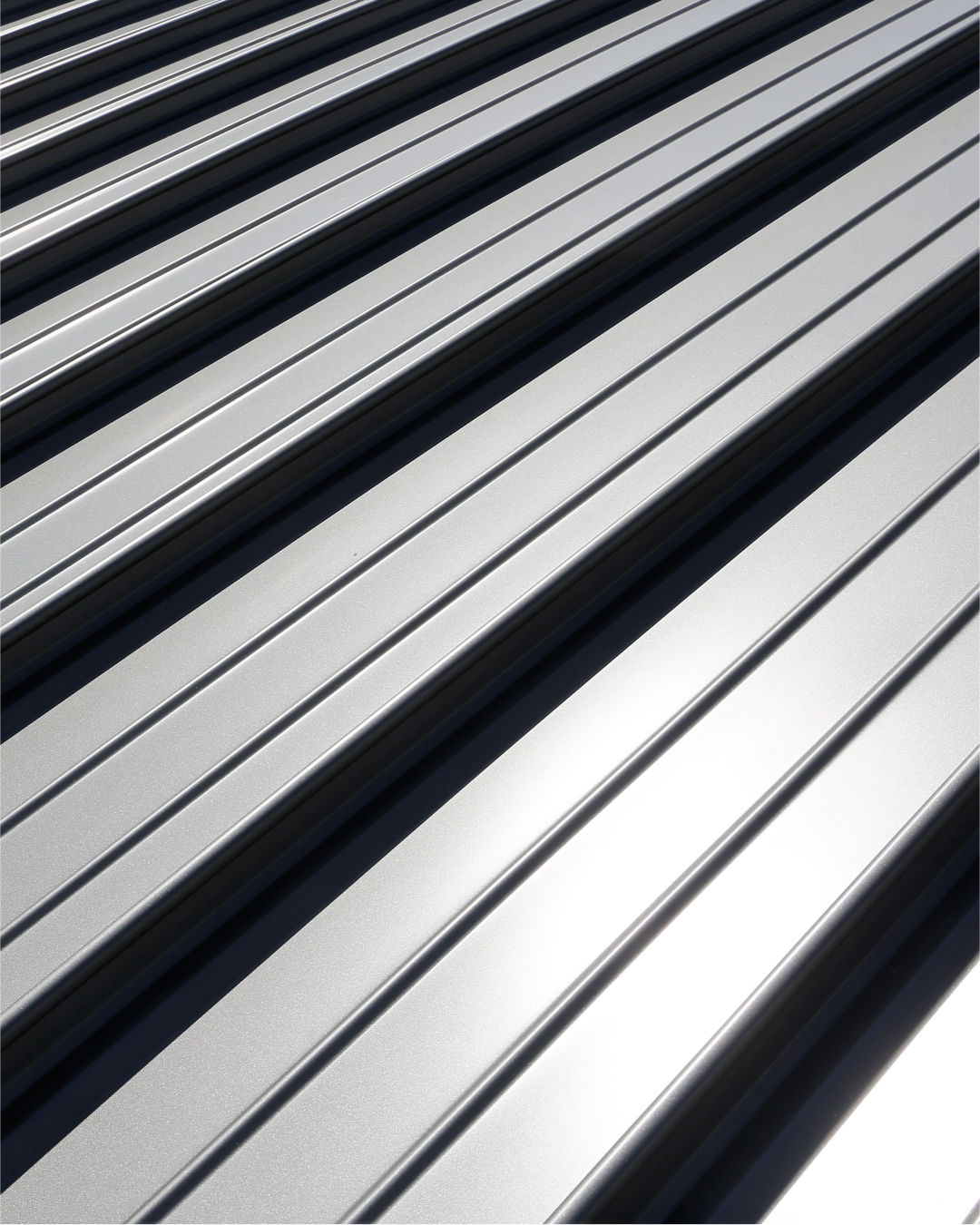
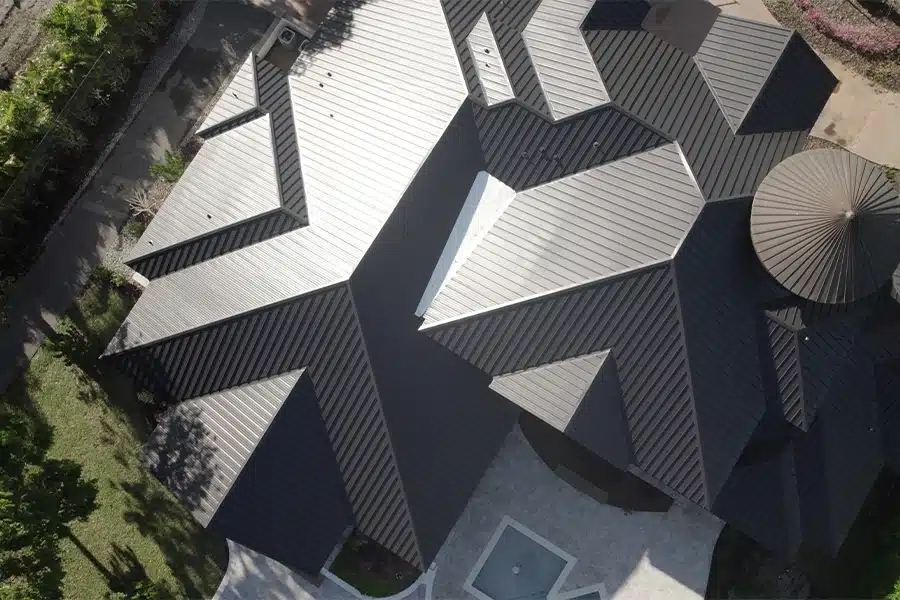
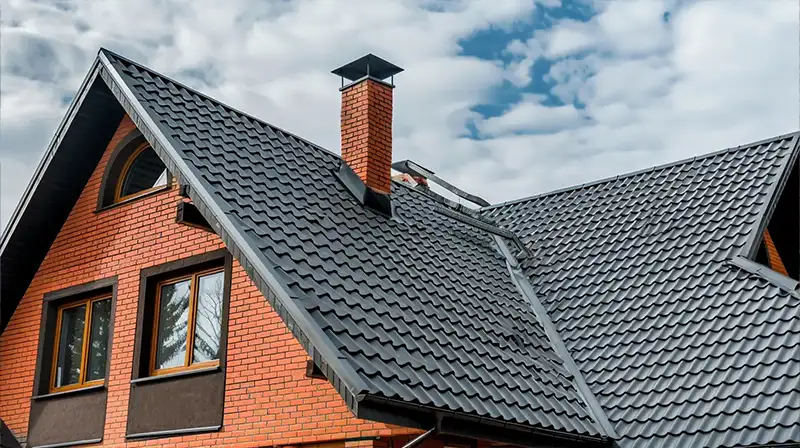
Dallas: Metal roofs are a great option for Florida. They reflect heat really well, which helps keep homes cooler, especially during the summer. They’re also extremely durable—most metal roofs last decades with very little maintenance. Homeowners who plan to stay in their home long-term really like that peace of mind.
Trust Roofing: And they work with solar too, right?
Dallas: Yes, that’s another big plus. Metal roofs are a solid base for solar panels, so they’re popular with homeowners thinking ahead.
Trust Roofing: Tile roofs are another common sight around here. Who are they best for?
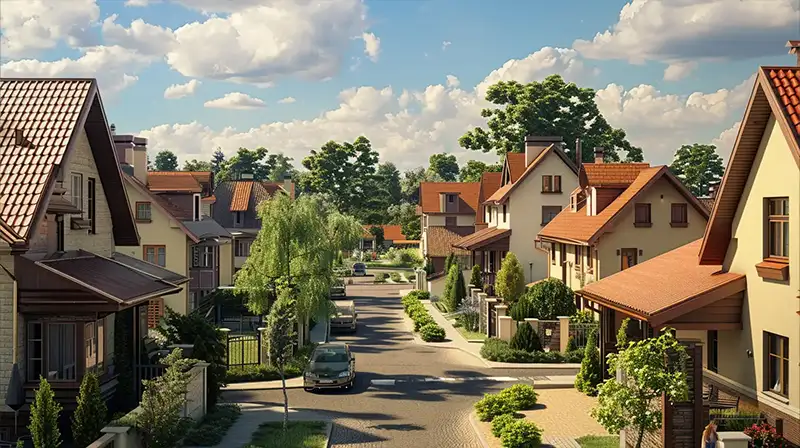
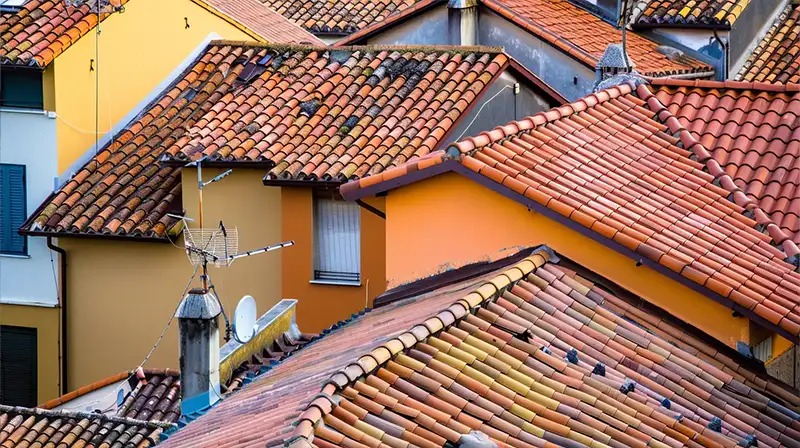
Dallas: Tile is a great fit for Florida’s humidity and heavy rain. Clay and concrete tiles don’t absorb moisture the way other materials can, so they’re less likely to have rot or mold issues. They also last a long time—often 50 years or more.
Trust Roofing: Anything homeowners should know before choosing tile?
Dallas: Tile is heavier, so the home has to be built to support it. That’s something we always check first. When it’s a good fit, though, tile is a strong, long-term option that holds up really well in this climate.
Choosing a Roof That Helps Keep Your Home Cooler
Trust Roofing: Heat is a big concern for homeowners around here. How much does the right roof really matter when it comes to staying cool?
Dallas Fikar: It matters a lot. In Florida, the sun is hitting your roof every day, and some materials handle that better than others. When a roof reflects heat instead of absorbing it, the house stays cooler and the AC doesn’t have to work as hard.
Trust Roofing: People hear the term “cool roof” a lot. What does that actually mean?
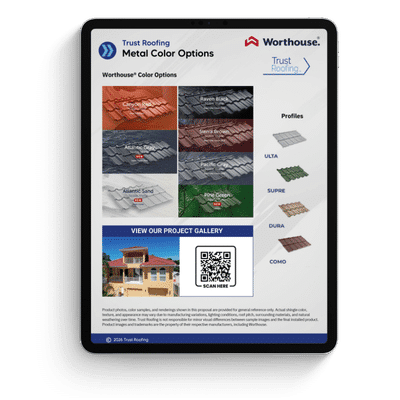
Dallas: It’s pretty simple. A cool roof is designed to reflect more sunlight and hold less heat. Metal roofs do this really well, and lighter-colored shingles or tiles help too. You can feel the difference inside the house, especially during the summer.
Trust Roofing: Do certain materials perform better than others in Florida?
Dallas: Metal, tile, and lighter-colored roofing materials tend to perform best here. Metal reflects heat, tile allows air to move underneath it, and lighter colors don’t soak up as much heat as darker ones. But none of that works if the roof isn’t installed correctly. Proper installation is what makes all those benefits actually show up.
Trust Roofing: So energy savings aren’t just about the material?
Dallas: Exactly. The material matters, but how it’s installed and maintained matters just as much. When everything is done right, homeowners usually notice lower cooling costs and a more comfortable home overall.
Keeping Your Home Cooler and Protecting It From Moisture
Trust Roofing: Homeowners ask a lot about energy bills and moisture issues. How much does the roof play into both?
Dallas Fikar: A lot more than people think. Your roof takes the full hit from the sun and the humidity, so the wrong setup can trap heat and moisture at the same time. When that happens, the house feels hotter, the AC runs more, and you start seeing issues like algae or mold show up sooner than they should.
Trust Roofing: What helps keep cooling costs down?
Dallas: Reflective materials make a big difference. Roofs that bounce heat instead of soaking it in help keep the attic cooler, which helps the whole house stay more comfortable. That usually shows up in lower cooling bills over time. But the material alone isn’t the whole story—maintenance matters too. A roof that’s checked regularly just performs better long term.
Trust Roofing: Humidity is a constant here. What should homeowners pay attention to?
Dallas: Moisture control is huge in Florida. Materials like metal and tile handle humidity really well, but ventilation is just as important. Good airflow lets moisture escape instead of getting trapped in the attic, which helps prevent rot, mold, and other problems that can shorten a roof’s life.
Trust Roofing: So what’s the big takeaway for homeowners?
Dallas: You want a roof that manages heat and moisture together. When those two things are handled right—through the right materials, proper ventilation, and good installation—the roof lasts longer, costs less to live with, and causes fewer headaches down the road.
Handling Rain, Humidity, and Algae in Florida
Trust Roofing: We get a lot of rain and humidity here. How does that affect roofing long term?
Dallas Fikar: Moisture is one of the biggest challenges in Florida. Even when you’re not right on the coast, constant rain and humidity can wear a roof down if it’s not built for it. I see a lot of issues start with moisture getting where it shouldn’t—then algae, staining, or even rot shows up later.
Trust Roofing: What materials tend to hold up best?
Dallas: Metal and tile do really well in this environment. They don’t absorb moisture the way some other materials can, so they’re less likely to have mold or algae problems. Concrete and clay tile especially handle heavy rain without breaking down over time.
Trust Roofing: Installation still matters, though?
Dallas: More than anything. Even the best material won’t perform if it’s installed wrong or if ventilation is ignored. Good airflow helps moisture escape instead of getting trapped in the attic, which is where a lot of problems start. Regular inspections help too—catching small issues early makes a big difference.
Trust Roofing: What should homeowners keep in mind overall?
Dallas: You want a roof that can deal with Florida rain and humidity day in and day out. When moisture is managed properly—through the right materials, solid installation, and good ventilation—the roof lasts longer and stays cleaner, with fewer issues down the road.
Get in Touch
Choosing a roofing material isn’t just about picking what looks good—it’s about making sure it actually works for your home and the way Florida weather hits it year after year. From shingles to metal to tile, each option comes with tradeoffs that matter long term.
If you’re not sure what makes the most sense for your home in Westchase, our team is here to help you talk it through. We’ll look at your roof, explain your options in plain language, and help you choose something that fits your home, your budget, and how long you plan to stay there.
When you’re ready, reach out to Trust Roofing and get straightforward advice from people who work on roofs like yours every day.
Frequently Asked Questions
What type of roof is best for a hot climate?
The best roof for a hot climate is a cool roof that reflects sunlight and reduces heat absorption. Metal roofing and light-colored tile are excellent choices. They improve energy efficiency, lower cooling costs, and provide a great base for solar panels.
What is the best roof for a rainy climate?
For a rainy climate, a roof with excellent water resistance is essential. Tile roofs, including both clay tiles and concrete tiles, are ideal because they do not absorb moisture. A properly installed metal roof is also a top-performing option for keeping your home dry.
About Dallas Fikar
Dallas brings over 35 years of sales experience to the Trust Roofing team, with a strong background in the medical industry. After reevaluating his career during the COVID-19 pandemic, he discovered a new passion for helping homeowners protect their most valuable asset—their home. His first experience with Trust Roofing came as a customer, where the company’s commitment to quality, timeliness, and service inspired him to join the team. Today, Dallas is proud to apply his sales expertise to guide homeowners through the roofing process with care and professionalism. In addition to his work at Trust Roofing, Dallas co-owns Wild Poppy Tampa, a boutique he runs with his fiancée. Outside of work, he enjoys fishing, boating, and spending quality time with family and friends.