





In Florida, a roof doesn’t just age—it battles the elements every day. Whether it’s the relentless July sun or a sudden Gulf Coast storm, homeowners often find themselves wondering if a small ceiling stain is a simple fix or the start of a $15,000 headache. At Trust Roofing, we’ve spent over 35 years helping our neighbors navigate that exact uncertainty. Understanding the difference between a minor repair and a necessary replacement isn’t just about saving money; it’s about the long-term safety of your home.
Common Signs Your Roof Needs More Than a Repair
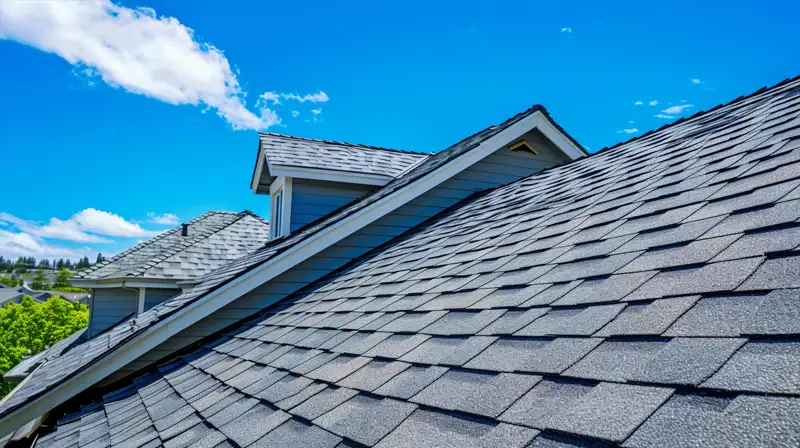
Living in the Tampa Bay area, we’re all used to the heat, but your roof takes the brunt of it. We saw this first-hand just this week while working on a project out in Clearwater—the constant cycle of baking sun and tropical humidity had turned the asphalt shingles brittle years before their time. You might start by noticing a few shingles in the grass after a afternoon storm; that’s your first warning. But when you look up and see ‘bald spots’ where the granules have washed away, or shingles curling like old parchment, its time to replace your roof. This is your roof is telling you it can no longer seal out the moisture. At this stage, a patch is just a temporary bandage on a structural problem. A full replacement isn’t just a construction project; it’s restoring the protective ‘envelope’ of your home to keep your family dry.
Widespread Shingle Damage
It’s a common question we hear from homeowners: ‘Can’t you just fix the bad spots?’ While we always prefer to save a roof when possible, there is a technical tipping point. In the Tampa Bay climate, once 20% to 30% of your shingles show signs of buckling or ‘balding,’ the underlying adhesive (the seal) has usually failed across the entire slope. At this stage, trying to nail down new shingles next to brittle, old ones often causes more cracks and leaks. If the damage isn’t isolated to one small area, a ‘patch’ is often just a down payment on a replacement you’ll still need in six months. Our goal is to ensure that when the next storm rolls off the Gulf, you aren’t crossing your fingers.
Extensive Leaks and Persistent Water Stains
A single leak after a bad storm isn’t necessarily a death sentence for your roof. We can often track it back to a failed flashing, a cracked vent boot, or a handful of blown-off shingles — and fix it cleanly in a few hours. But when a homeowner calls us back about a second leak, and then a third, that’s when we start having a different kind of conversation.
Here’s something most people don’t realize: water doesn’t travel in straight lines. That brown ring spreading across your living room ceiling might be originating from a penetration point six feet away, on the other side of the ridge. Once moisture gets past the shingles, it follows the decking, the rafters, and the insulation until it finds a low point. Multiple stains in different rooms mean water has been moving through your attic for a while — and in a Florida home, prolonged moisture and mold travel together.
If you’re calling for a patch every rainy season, you’re not solving the problem — you’re funding it. At some point, the cost of repeated emergency repairs adds up to more than a new roof would have cost in the first place. More importantly, every day that moisture sits in your decking, it’s quietly compromising the structural integrity of the home beneath it. That’s a risk no patch job can undo.
Age and the Florida Factor: Why Your Roof’s Birthday Matters
One of the most common things we hear when we show up for an inspection is, “But it doesn’t look that bad.” And sometimes, from the ground, they’re right — it doesn’t. But in Florida, the calendar tells a story the eye can miss.
Asphalt shingle roofs in the Tampa Bay area typically last between 20 and 25 years under normal conditions. But “normal” in Florida means relentless UV exposure, torrential summer rains, and humidity pushing 90 percent for months on end. That cycle of baking and soaking accelerates aging in ways that aren’t always visible until a storm makes them impossible to ignore. We’ve inspected roofs in Clearwater that looked passable at 18 years old — and then surrendered completely during a single hurricane season.
The age of your roof doesn’t just predict future failure — it changes the math on repairs. On a five-year-old roof, patching a damaged section makes perfect sense. On a 22-year-old roof with Florida miles on it, we have to be straight with you: we can fix the leak you’re seeing today, but the shingles next to it are just as tired, and the next storm will find them. We’d rather save you the cost of two repairs and an emergency replacement when one planned replacement would have taken care of everything.
Understanding Roof Longevity in Florida’s Climate
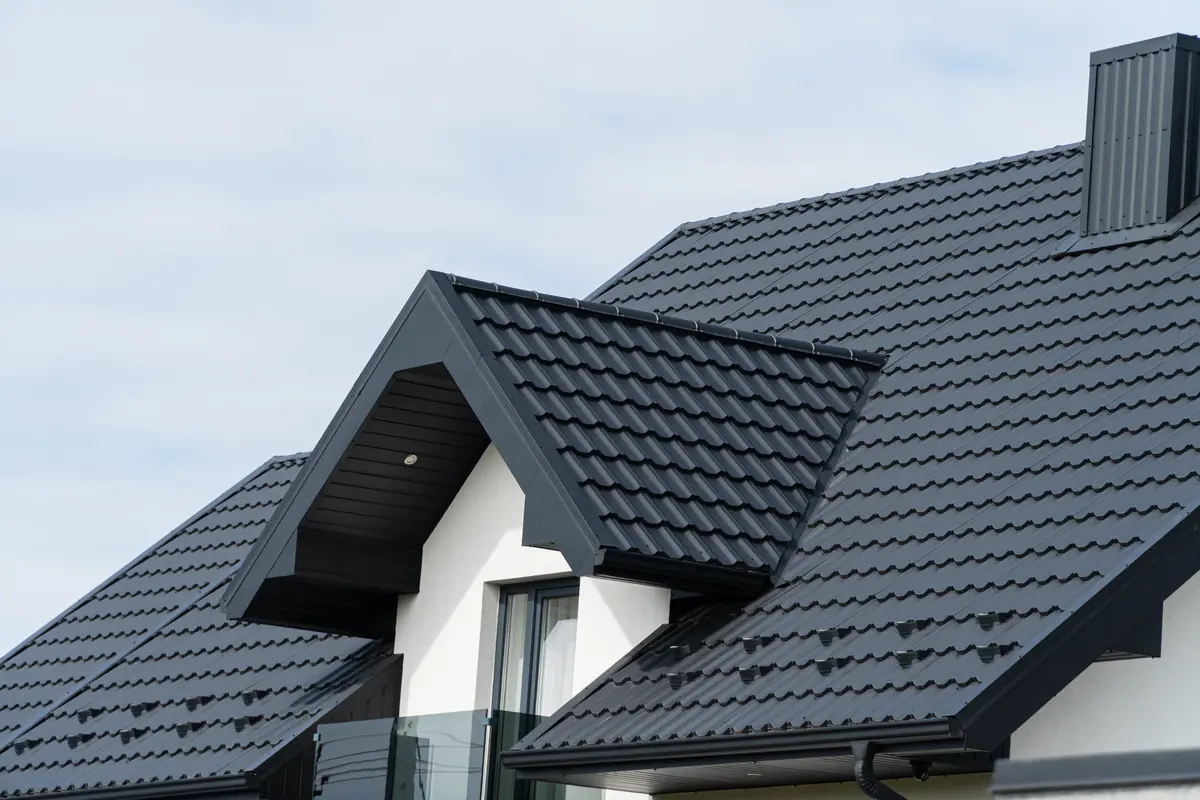
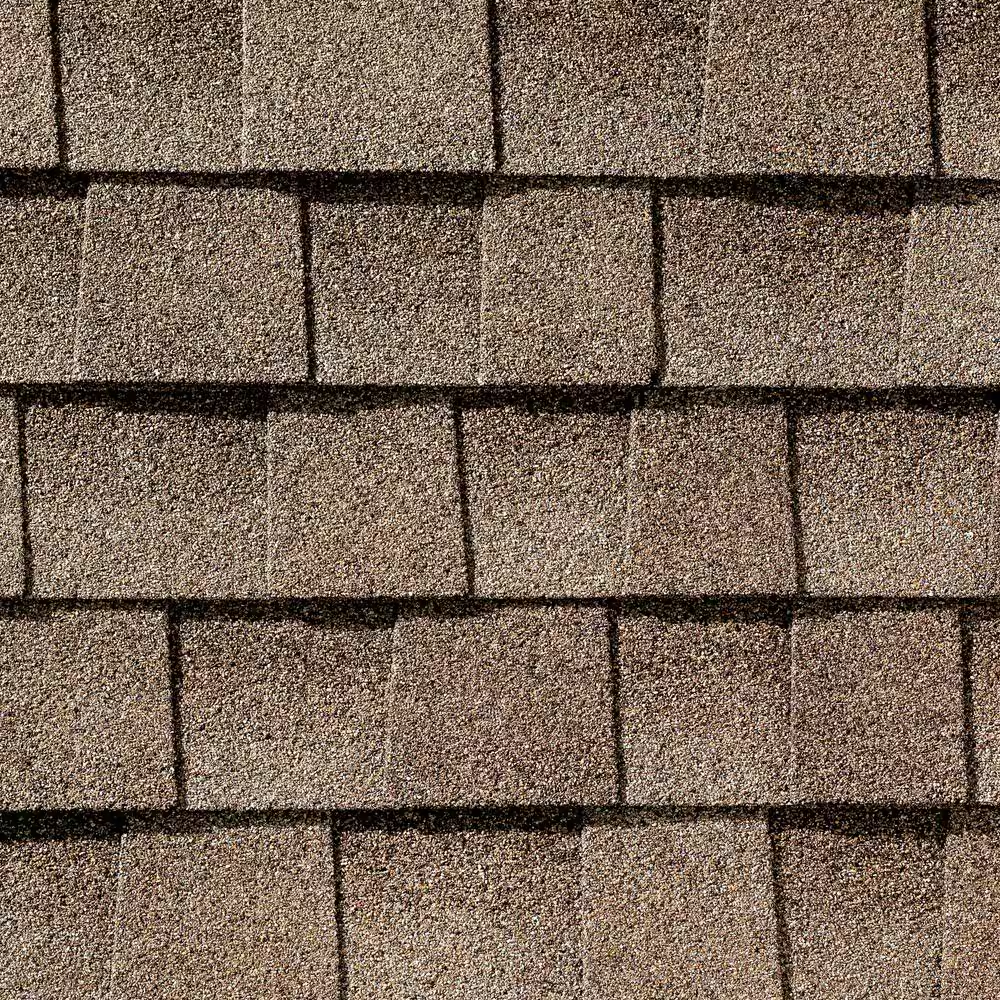
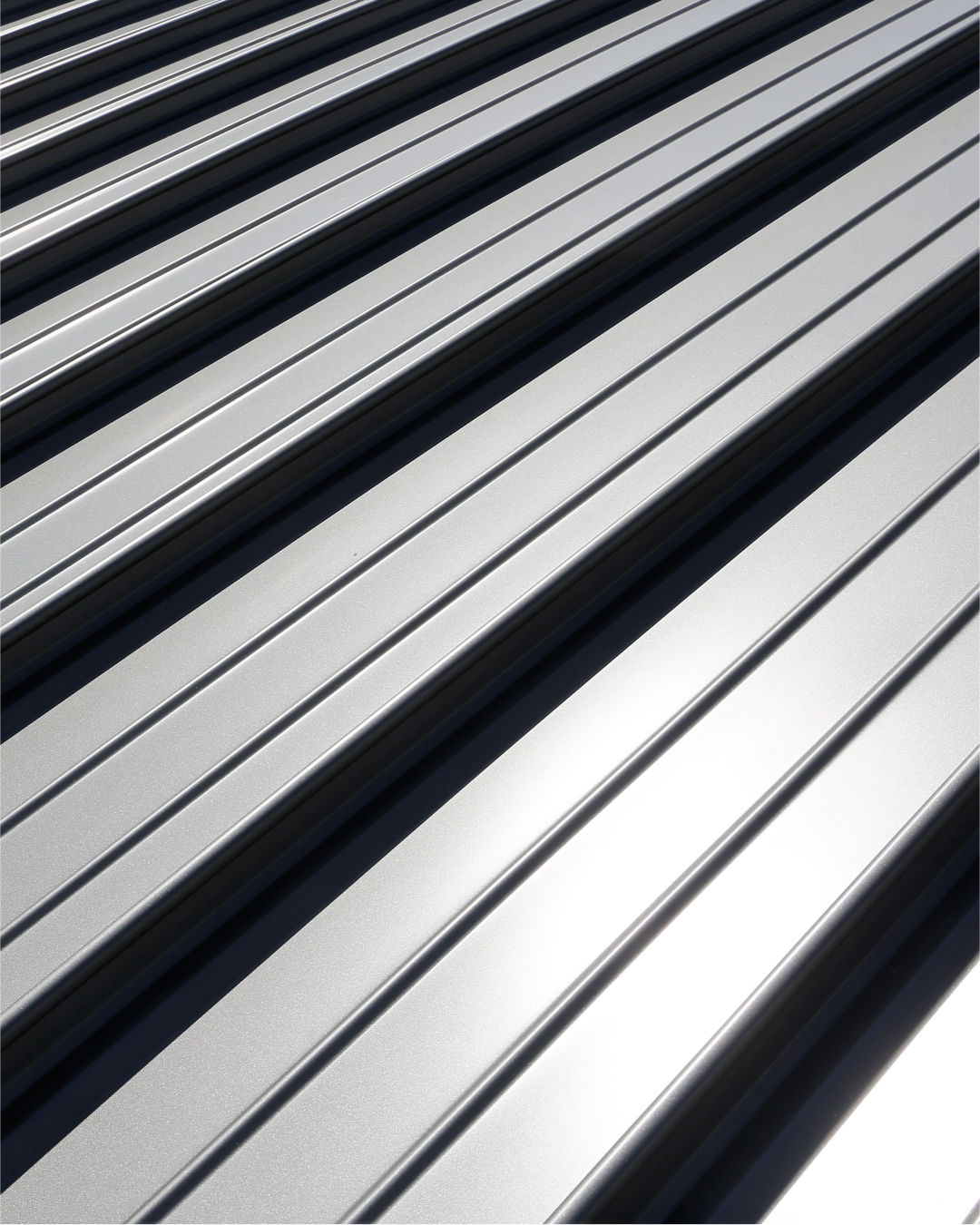
Different materials hold up differently in our climate, and knowing what’s on your roof changes the conversation. Standard three-tab asphalt shingles tend to reach the end of their useful life around the 20-year mark in Florida. Architectural (dimensional) shingles perform somewhat better — usually 25 to 30 years with proper maintenance. Metal roofing, which we install frequently for homeowners who are done having this conversation every two decades, can last 40 to 50 years here and stands up to high winds far better than any asphalt option.
What accelerates the decline of any material is deferred maintenance and trapped heat. If your attic doesn’t have adequate ventilation, heat builds beneath the deck and cooks the shingles from the inside out. That’s why a real inspection isn’t just someone walking your yard and looking up — it’s understanding the whole system.

Structural Red Flags That Point to Replacement
Most roofing conversations start with what you can see from the curb. But the signs that concern us most are the ones hiding in your attic or visible only once someone is actually on the roof deck.
Sagging, Drooping, or Compromised Roof Deck
If you look at your roofline and notice any waviness, dipping between the rafters, or a curve in what should be a straight ridge — stop and call us. A sagging roof deck is not a cosmetic issue. It means the structural support beneath your shingles has been compromised, almost always by prolonged water intrusion or the weight of deteriorated, waterlogged wood.
We’ve walked attics in the Tampa Bay area where the decking felt soft underfoot — a feeling no homeowner should have to discover during a storm. When the deck is compromised, no amount of new shingles on top will fix it. A full replacement that addresses the underlying structure is the only real answer, and waiting makes that job larger and more expensive every season you delay.
If your roof is visibly sagging, don’t walk on it, don’t patch over it, and don’t let anyone tell you a repair will hold. Get a professional inspection as soon as possible.

Mold, Moss, and Rot: When Simple Fixes Won’t Work
We sometimes say that Florida doesn’t have seasons — it has “hot and humid” and “slightly less hot and humid.” That constant moisture is a paradise for mold, algae, and moss. And for a roof, those aren’t just cosmetic problems — they’re actively destructive ones.
The dark streaks running down older roofs in our area aren’t just staining; they’re algae colonies feeding on the limestone filler inside your shingles. Moss goes further — its root-like structures physically lift shingles away from the deck, breaking the seal that keeps water out. And in a Florida climate, once water gets into the wood and stays there, rot moves quickly and quietly.
We can treat moss and algae on a roof that still has life left in it. But if we find soft, spongy wood underneath, or if the growth has been masking damage for years, no surface treatment solves what’s below. Mold in the decking and rafters is a replacement conversation — not a cleaning one. Catching it early through regular professional inspections is always the far less expensive path.
Repairs vs. Replacement: Making the Right Call
One of the most honest conversations we have with homeowners goes something like this: “Look, we can fix what we’re seeing today. But let me show you what’s right next to it.” Knowing when to stop repairing and start replacing isn’t about selling you something — it’s about math and honesty.
When Minor Issues Grow Into Major Problems
A missing shingle or two after a storm is a clean, straightforward repair. A cracked pipe boot flashing is a $150 fix that, left alone, becomes a $3,000 interior ceiling job. The problem is that small roofing issues don’t stay small in Florida. The sun bakes the exposed deck. The rain finds the gap. And every wet-dry cycle works at the surrounding shingles until what was a contained problem becomes a spreading one.
The rule of thumb we use in the field: if the damage is isolated, the materials are under 15 years old, and the surrounding shingles are in solid shape, a repair makes sense. But if damage covers more than 25–30% of a slope, if the roof is past its prime, or if we’ve been out more than twice in three years for leaks — it’s time to talk about a new roof.

The Long-Term Value of Getting It Right
A new roof isn’t just a construction project — it’s returning your home’s first line of defense to full strength. Modern architectural shingles, properly installed with quality underlayment and ridge ventilation, will outperform a tired old roof in every Florida storm season. You’ll also see real energy savings — a properly ventilated new roof keeps your attic cooler, which means your AC isn’t working overtime during those 95-degree August afternoons.
Homeowners across Clearwater and the Tampa Bay area also tell us that a new roof changes how they feel when storm season rolls around — less anxiety, less ceiling-checking, less dread when the weather radio goes off. That peace of mind is real, and it’s part of what we deliver.
Why Tampa Bay Homeowners Have Trusted Us for Over 35 Years
Trust Roofing started as a family business and has stayed that way. We’re not a national franchise dispatching subcontractors who’ve never set foot in Florida. We’re local, we’re accountable, and our name goes on every single job we do.
Over three and a half decades, we’ve built our reputation in Tampa Bay on one principle: tell the homeowner the truth. If your roof can be repaired, we’ll repair it. If it can’t, we’ll show you exactly why and give you a fair price on replacing it. That approach has earned us more than 1,000 five-star Google reviews, an A+ BBB rating, and the “Neighborhood Favorite” designation on Nextdoor — not from advertising, but because our customers’ neighbors keep calling us after seeing the results next door.
Our 10-Year Workmanship Warranty and Industry Certifications
Every roof we install is backed by our 10-Year Workmanship Warranty — a guarantee that covers not just the materials, but the quality of the installation itself. This matters more than most homeowners realize. A shingle manufacturer’s warranty doesn’t cover failures caused by improper installation. Ours does.
We’re proud to be a GAF Certified Contractor, as well as an approved applicator for IB Roof Systems, Johns Manville, and Versico. These certifications aren’t plaques on a wall — they represent ongoing training, quality standards, and access to manufacturer-backed warranties that non-certified contractors simply cannot offer.

Award-Winning Service and Trusted Partners
In 2024, Trust Roofing was ranked #227 on the INC 5000 list of America’s fastest-growing private companies, and #300 in 2025. That kind of sustained growth in a competitive market doesn’t happen by accident. It happens because homeowners talk to their neighbors.
Our partnerships with leading material suppliers mean we’re installing premium products — not whatever’s cheapest at the moment. When we put a roof on your home, we want it to still be standing strong when your kids are grown. That’s the standard we hold ourselves to, and it’s why homeowners across Clearwater, Tampa, St. Petersburg, and the surrounding communities keep calling us back — and sending their families our way.
Trust the Experts
If there’s one thing 35 years on Florida roofs has taught us, it’s that the homeowners who fare best are the ones who act before the problem forces their hand. A planned replacement on your timeline, with the contractor you trust, is always a better situation than an emergency replacement after a storm has taken the decision out of your hands.
If you’ve been noticing the warning signs — shingles in the yard after a storm, a ceiling stain that keeps coming back, a roof that’s pushing 20 years — give us a call. We’ll come out, take an honest look, and tell you exactly what we see. No pressure, no scare tactics. Just 35 years of experience working for you.

Frequently Asked Questions
How do I know if I need a new roof?
If you have widespread visible damage like many missing shingles or curling across large areas, it often signals the need for a roof replacement. The roof’s condition is key. A professional roof inspection is the best way to determine if the damage is extensive enough for a new roof.
Can persistent leaks be fixed?
While a single roof leak may be fixable, persistent leaks and multiple water stains suggest a failing system. A full roof replacement is often the best option to eliminate the risk of water damage and avoid ongoing, costly repairs that don’t solve the core problem.