






Trust Roofing Installation Standards
2.01 Crew Safety Basics
Core jobsite safety rules for roofing crews — fall protection, ladder safety, tool handling, and how to keep everyone on the job safe.
Roofing work involves working at height and requires proper safety equipment and training. The information in this course is intended for educational purposes. Homeowners should consult a licensed roofing professional before attempting roof repairs or modifications.


Other Courses
Overview
Roofing is consistently ranked among the most dangerous occupations in the United States. Working at height, on sloped surfaces, with heavy materials and power tools creates real risks that must be actively managed.At Trust Roofing, crew safety is a core field standard. Every crew member is expected to understand the basic safety requirements and to look out for the safety of their teammates throughout the workday.
Our Field Standards
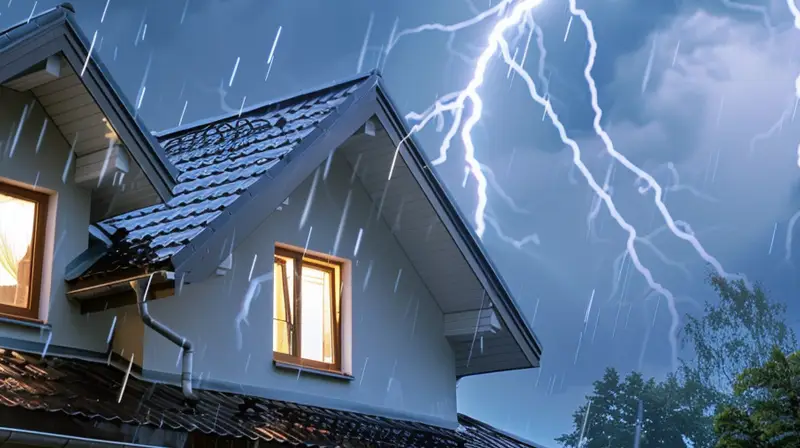
Crew safety standards are non-negotiable on every Trust Roofing job site.Field standards include:* All crew members working above 6 feet use appropriate fall protection* Ladders are set at the correct angle, extended 3 feet above the roof edge, and secured before use* Power tools are inspected before each use and operated only by trained crew members* No crew member works on a roof during active lightning or unsafe weather conditions* All injuries, near misses, and unsafe conditions are reported to the crew lead immediately
Our Process
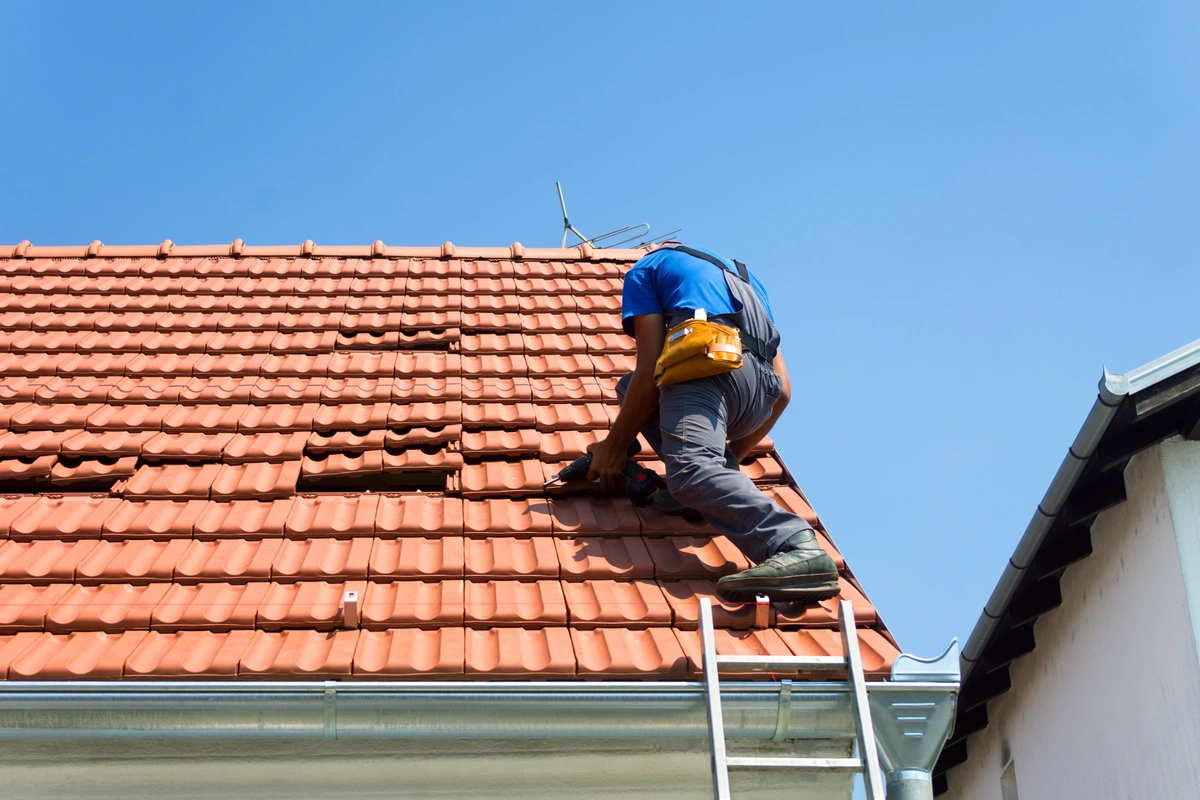
Fall Protection* Personal fall arrest systems are required on slopes above the fall protection trigger for the project* Crew leads confirm fall protection equipment is in place before elevated work begins* Never rely on a co-worker to catch you — use the equipmentLadder Safety* Set extension ladders at a 4:1 ratio — 1 foot from the wall for every 4 feet of height* Extend at least 3 feet above the roof edge for a stable transition point* Secure the top of the ladder when possible* Never carry heavy loads up a ladderTool Safety* Inspect all power tools before use — damaged tools are taken out of service* Keep coil nail guns pointed away from crew members at all times* Keep work areas clear of trip hazardsWeather Awareness* Stop work and secure the site if lightning is within 10 miles* Wet roof surfaces are extremely slippery — do not work on a wet roof* Heat index above 100°F requires additional water breaks and crew rotation
Roofing Terms
Fall Arrest System
Personal protective equipment, including a harness, lanyard, and certified anchor point, designed to stop a fall after it begins and prevent serious injury. Required on roof slopes above the fall protection trigger height.
OSHA Fall Protection Standard (1926.502)
The federal OSHA regulation governing fall protection in construction, requires fall protection for roofing workers at heights of 6 feet or more above a lower level.
Florida High-Wind Work Zone
Areas of Florida, including Tampa Bay, where roof slope, height, and wind exposure increase the risk of fall incidents, requiring heightened attention to fall protection planning on every project.
Near Miss
A job site event that did not result in injury but had the potential to, must be reported to the crew lead immediately and documented under Trust Roofing’s safety program to prevent future occurrences.
Heat Index
The combined measure of temperature and humidity that determines how hot conditions feel to a working crew member, a heat index above 100°F requires additional water breaks and crew rotation under Trust Roofing safety standards.
Need more help?
We've built a library of resources for homeowners, property managers, and those looking for roofing help.
View Resources